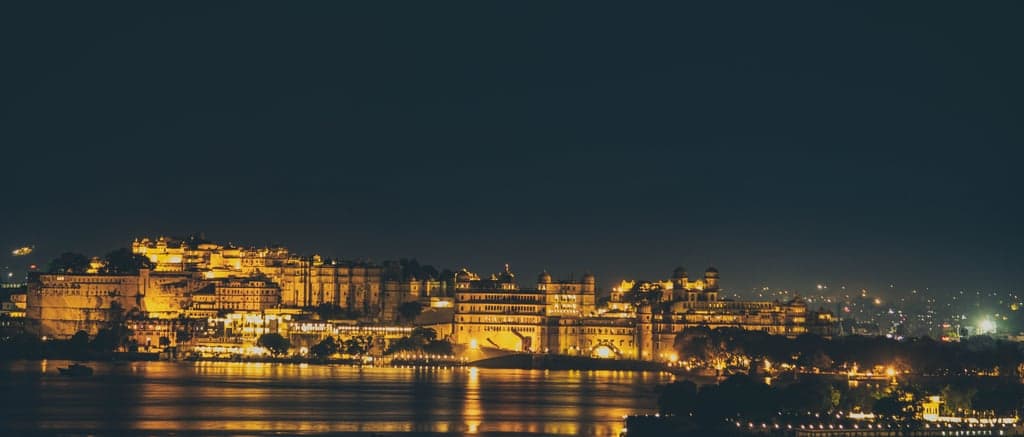
Photo essay
Jodhpur Photo Diary: Mehrangarh, Toorji Ka Jhalra and the Blue City from the Ramparts
Azure alleys and stone stories — Mehrangarh, Toorji Ka Jhalra, Phool Mahal, and the Blue City from the fort walls.
Three days in Jodhpur, told as stone and colour: Mehrangarh rising like a citadel hewn from the rock, a gilded palanquin in the museum, jharokhas cut so fine the sandstone looks like lace, the stepwell at Toorji Ka Jhalra, then the shock of the Phool Mahal inside the fort and the Brahmin-blue maze seen from the ramparts at sundown. This is that weekend in photographs — street food, fort chambers, and Marwar light at the end.
Scroll to read each moment.Each moment is image and caption side by side.
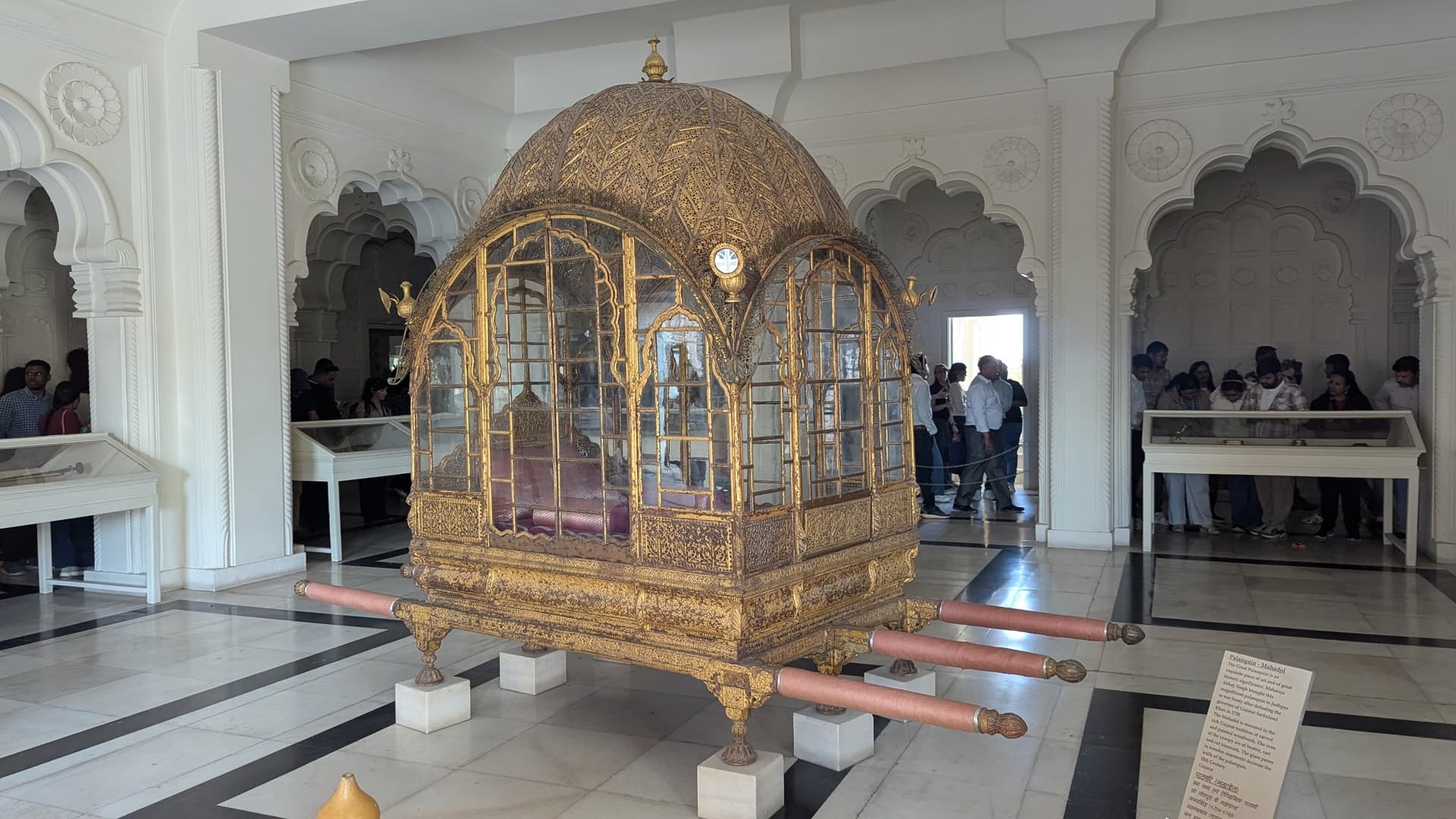
Echoes of a Bygone Era
Housed within the fort’s museum is a stunning collection of Palanquins (sedan chairs). This gilded Mahadol was once carried by men to transport royalty. Seeing it up close, you can imagine the slow, rhythmic procession winding its way up the steep fort ramparts.
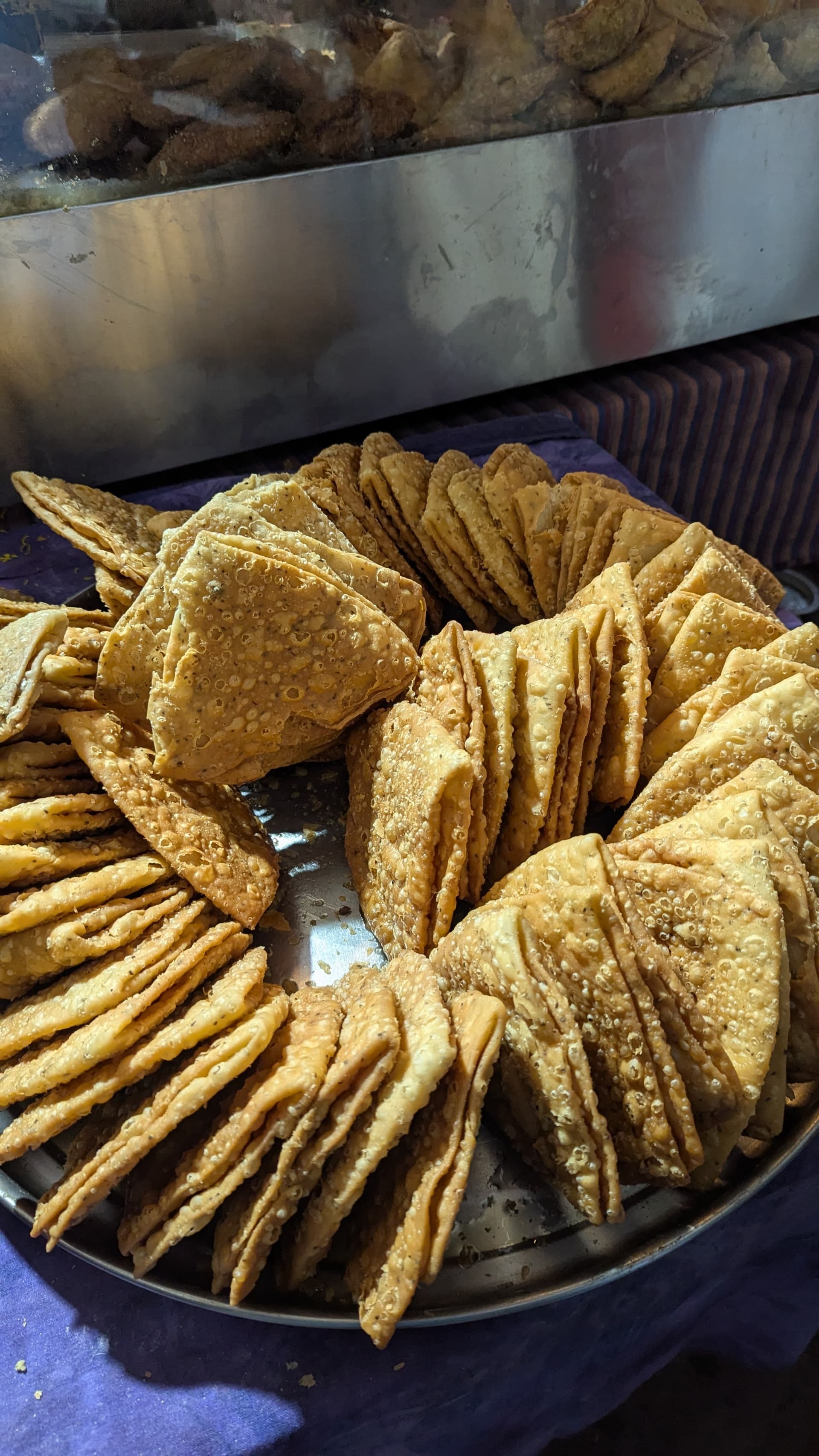
Savory Delights
Food is a religion here. Whether these are flaky Mathris or a local puff pastry snack, the street food in Jodhpur is rich, spicy, and deep-fried to perfection. It’s the perfect fuel after a long day of hiking the fort walls.
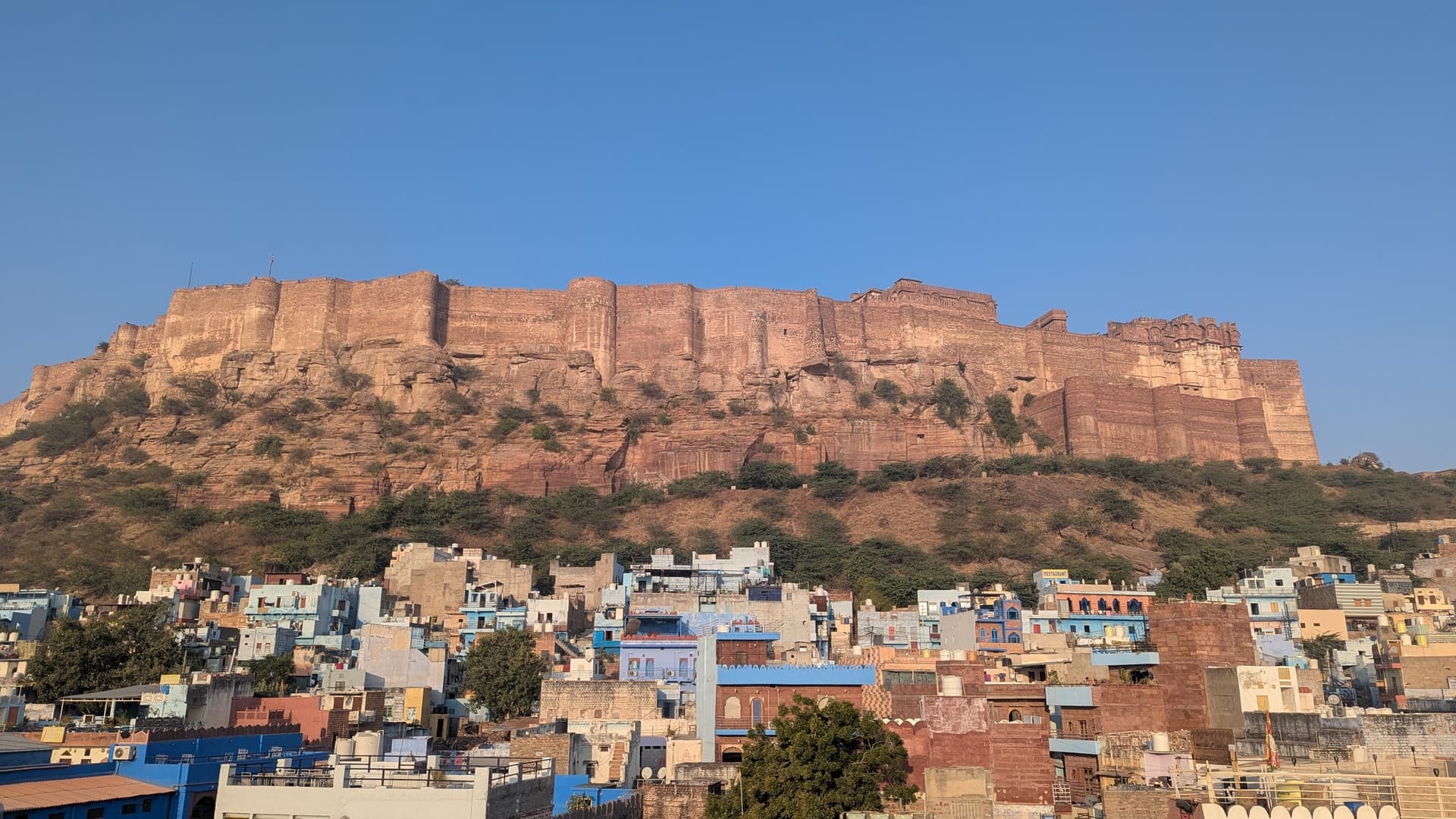
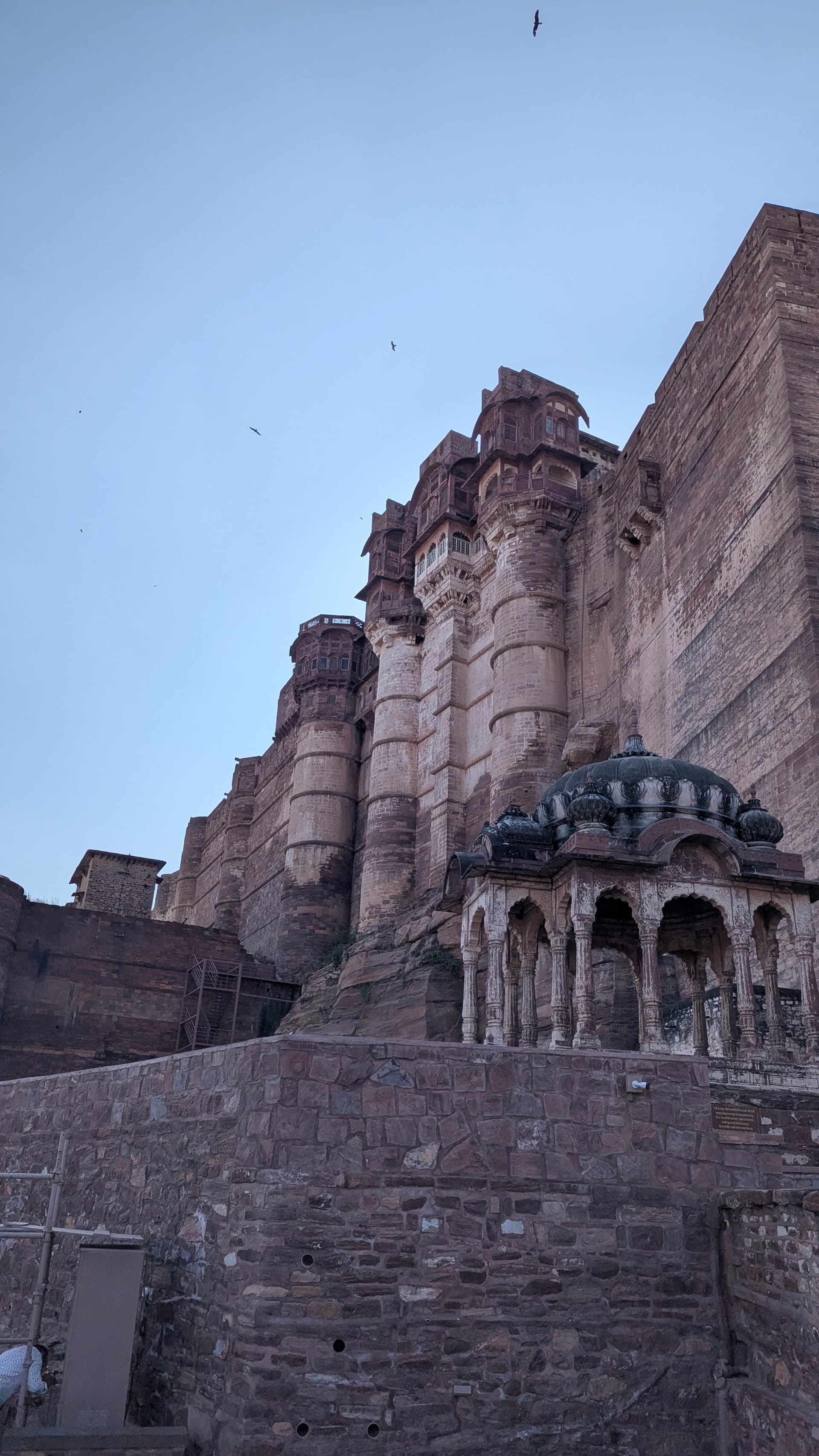
The Sentinel of the Desert: Unconquerable Mehrangarh
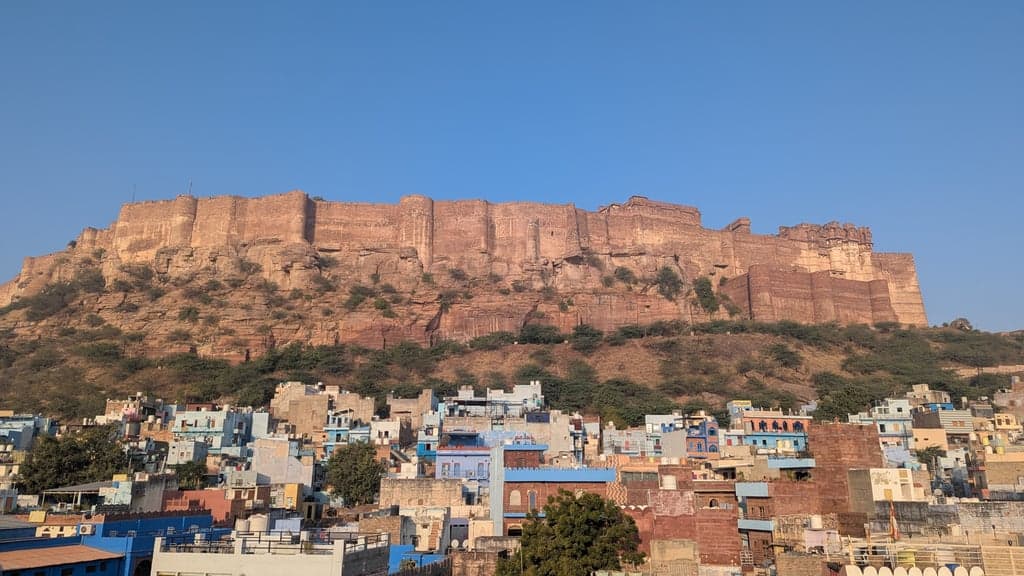
Standing at the base of Mehrangarh Fort, you truly feel small. This isn't just a palace; it’s a citadel hewn directly from the rock it stands on. The walls seem to grow organically out of the hill, rising over 400 feet above the skyline. It’s easy to see why Rudyard Kipling called it "the work of angels, fairies, and giants."
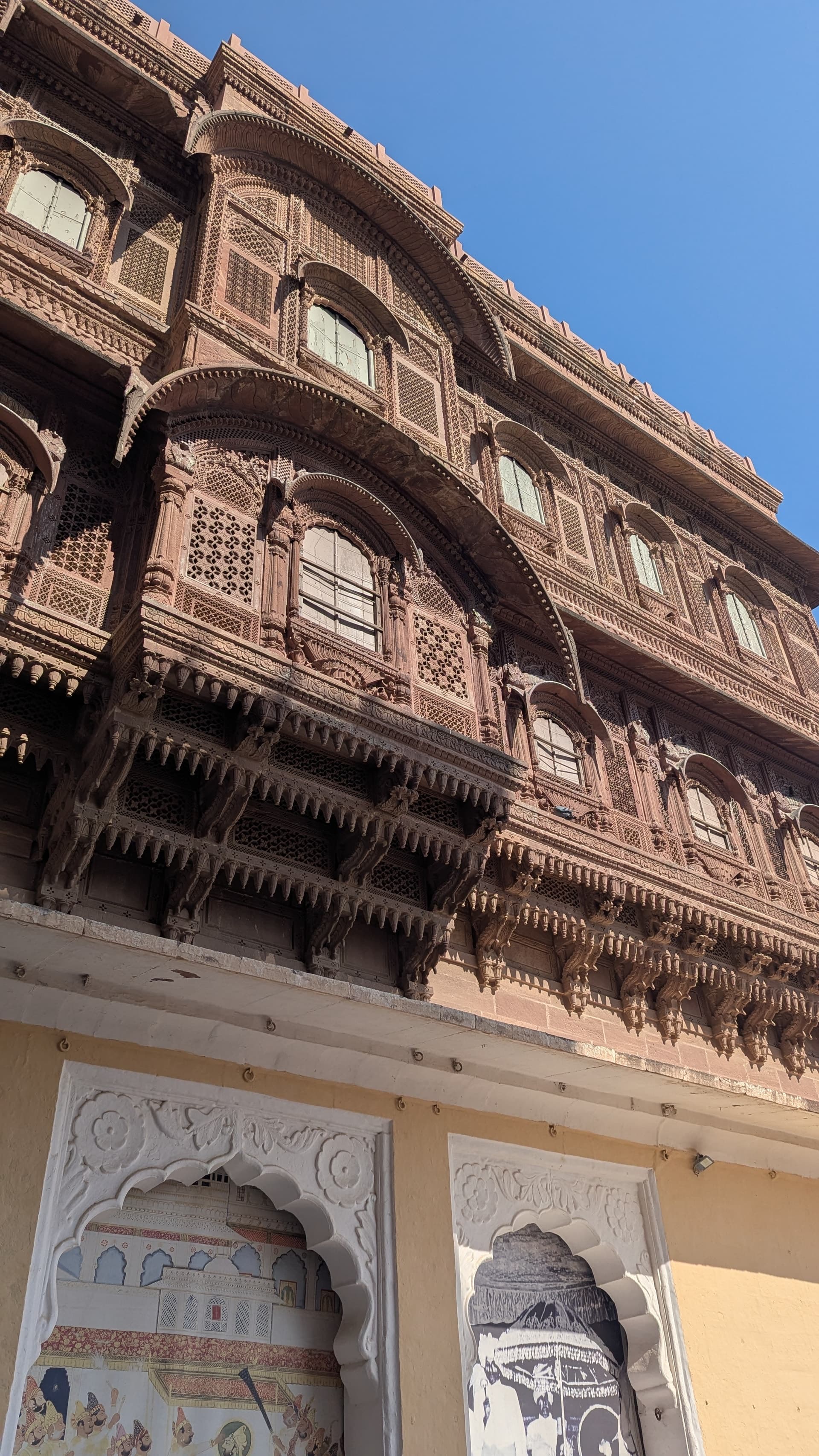
Jharokhas and Jaalis
The paradox of Jodhpur’s architecture is how they turned hard red sandstone into something that looks like lace. These jharokhas (overhanging enclosed balconies) allowed the royal women to observe the courtyards and the city below without being seen, blending privacy with breathtaking artistry.
The paradox of Jodhpur is in this slide — hard red sandstone worked until it behaves like textile. You see it in the jaalis first; later, inside the fort, the Phool Mahal throws gold and mirror at you so hard you forget the exterior was ever only rock.
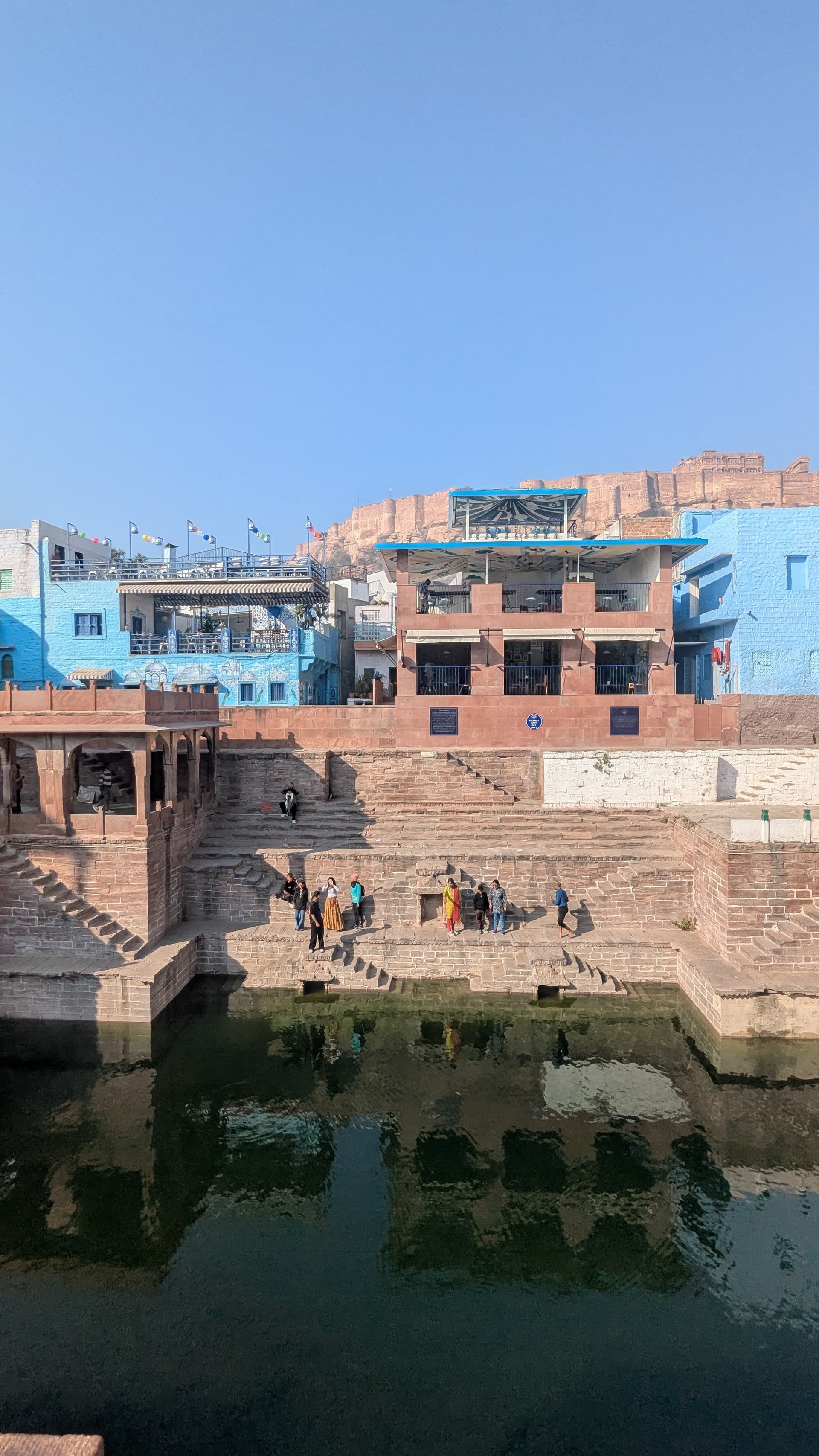
Toorji Ka Jhalra
Just a short walk from the clock tower lies this architectural marvel. The Toorji Ka Jhalra stepwell was built in the 1740s. The symmetrical arrangement of steps is mesmerizing, serving as both a water source and a cool community hang-out spot for centuries.
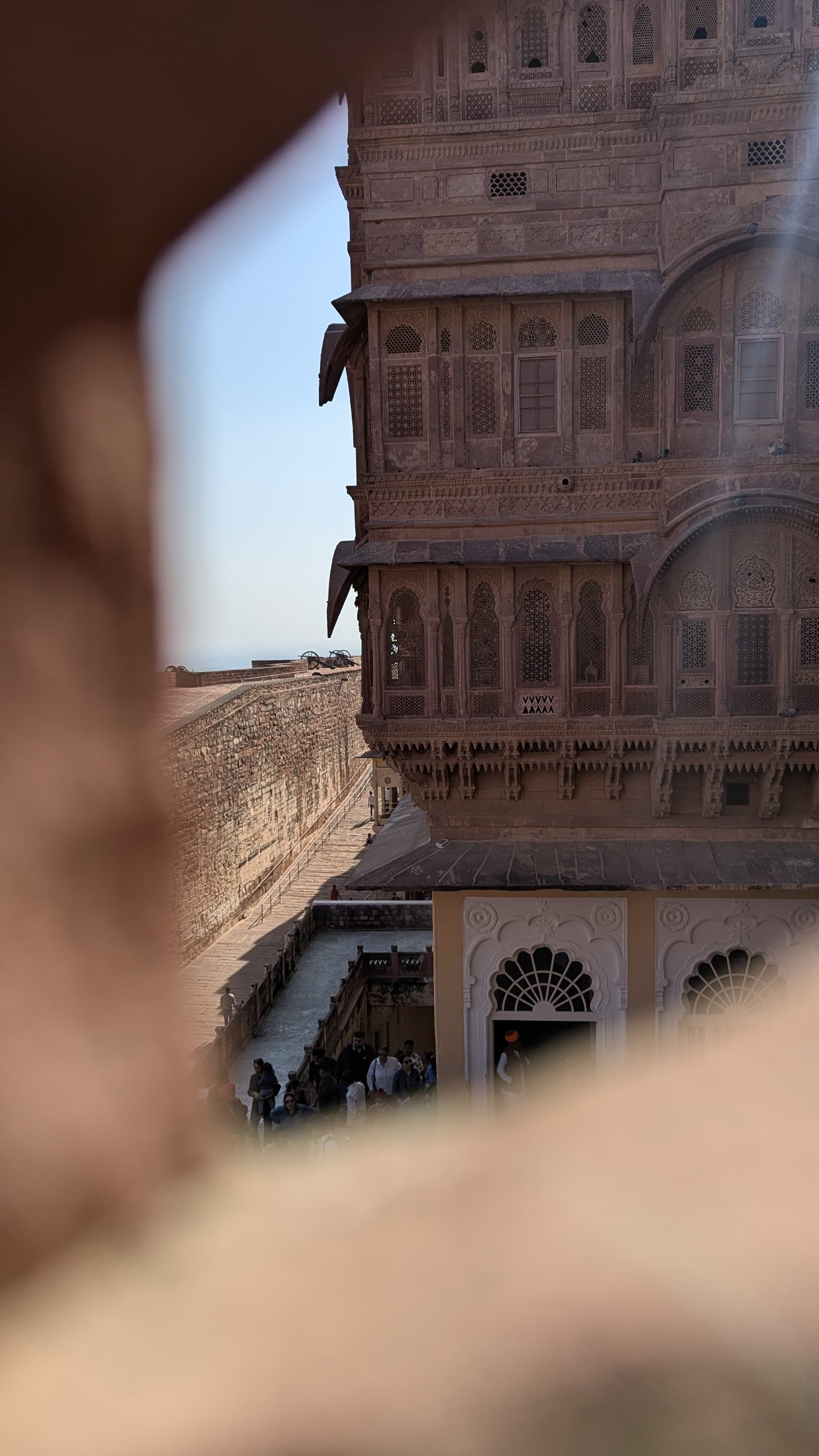
Google Pixel 7 — 7mm • ƒ/1.9 • 1/2976 • ISO 44
Google Pixel 7 — 7mm • ƒ/1.9 • 1/4525 • ISO 48
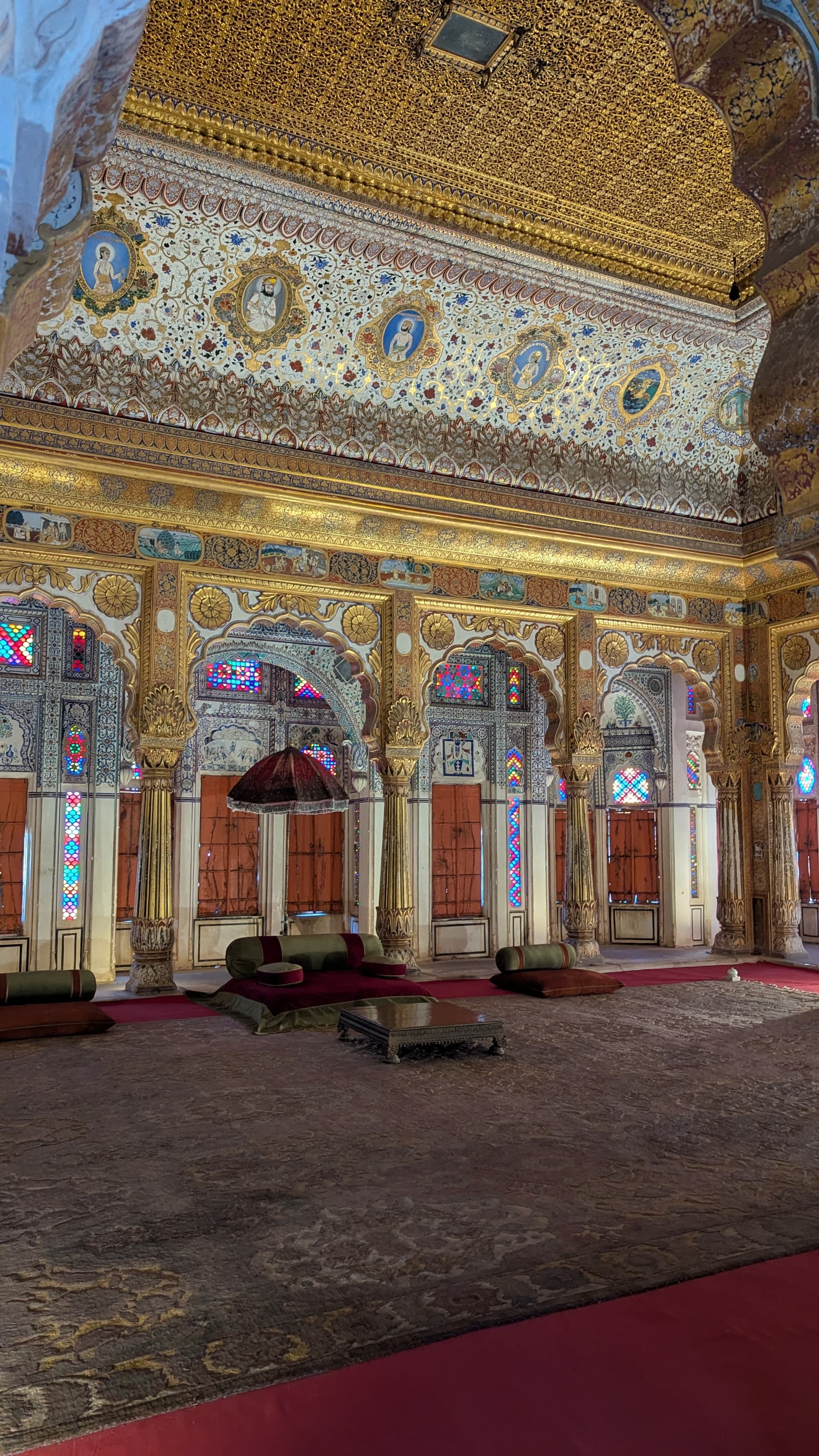
The Phool Mahal (Palace of Flowers)
Stepping inside the fort's palaces is blindingly colorful. This hall, likely the Phool Mahal, was a pleasure chamber for the Maharajas. The stained glass, gold filigree, and vibrant carpets create a stark contrast to the rugged desert outside.
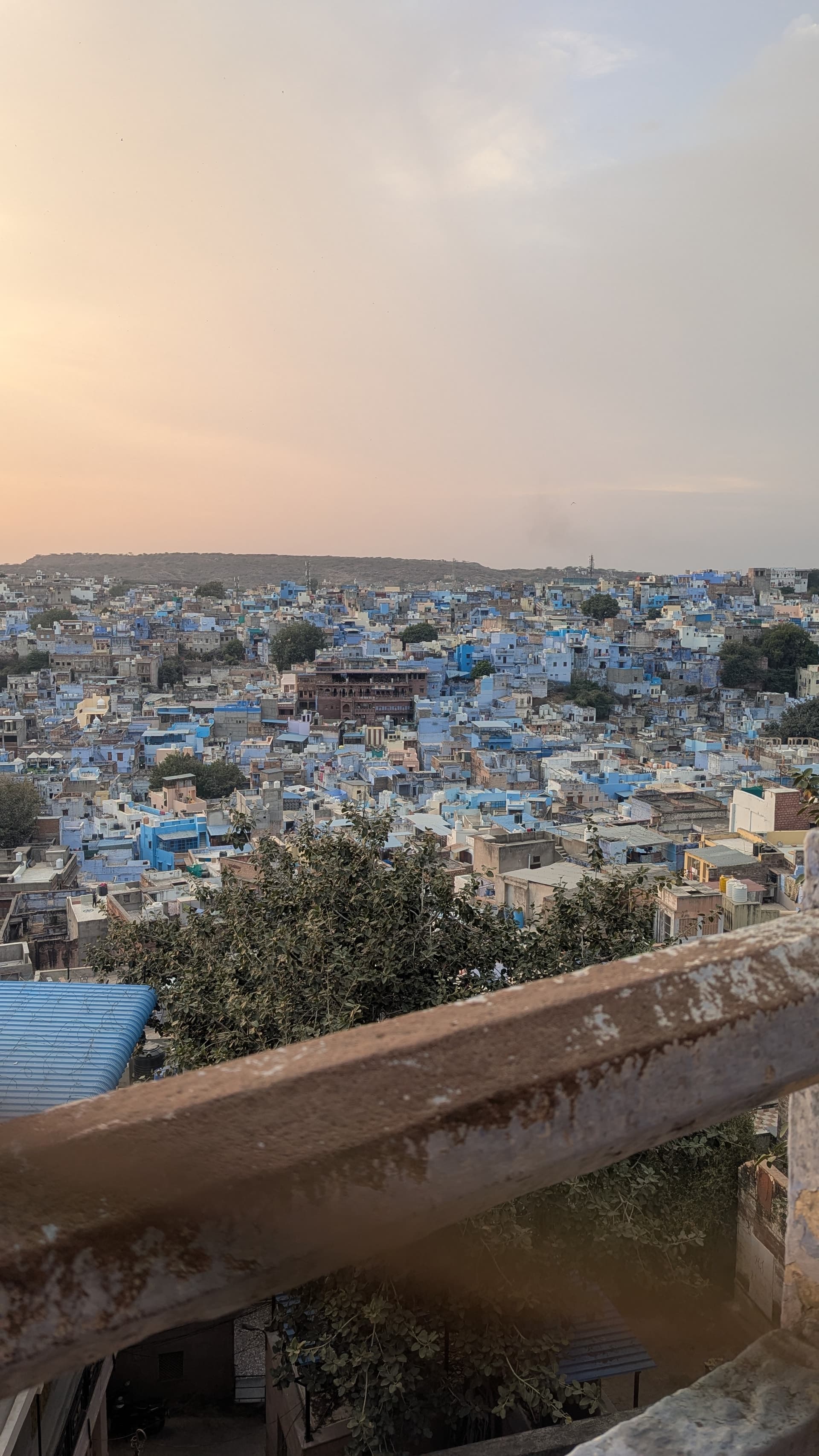
Why They Call it the Blue City
From the top of the fort, the view is iconic. A maze of boxy houses painted in varying shades of Brahmin blue. Originally used to signify the homes of priests (and to keep termites and heat away), the color has spread to define the city’s identity.
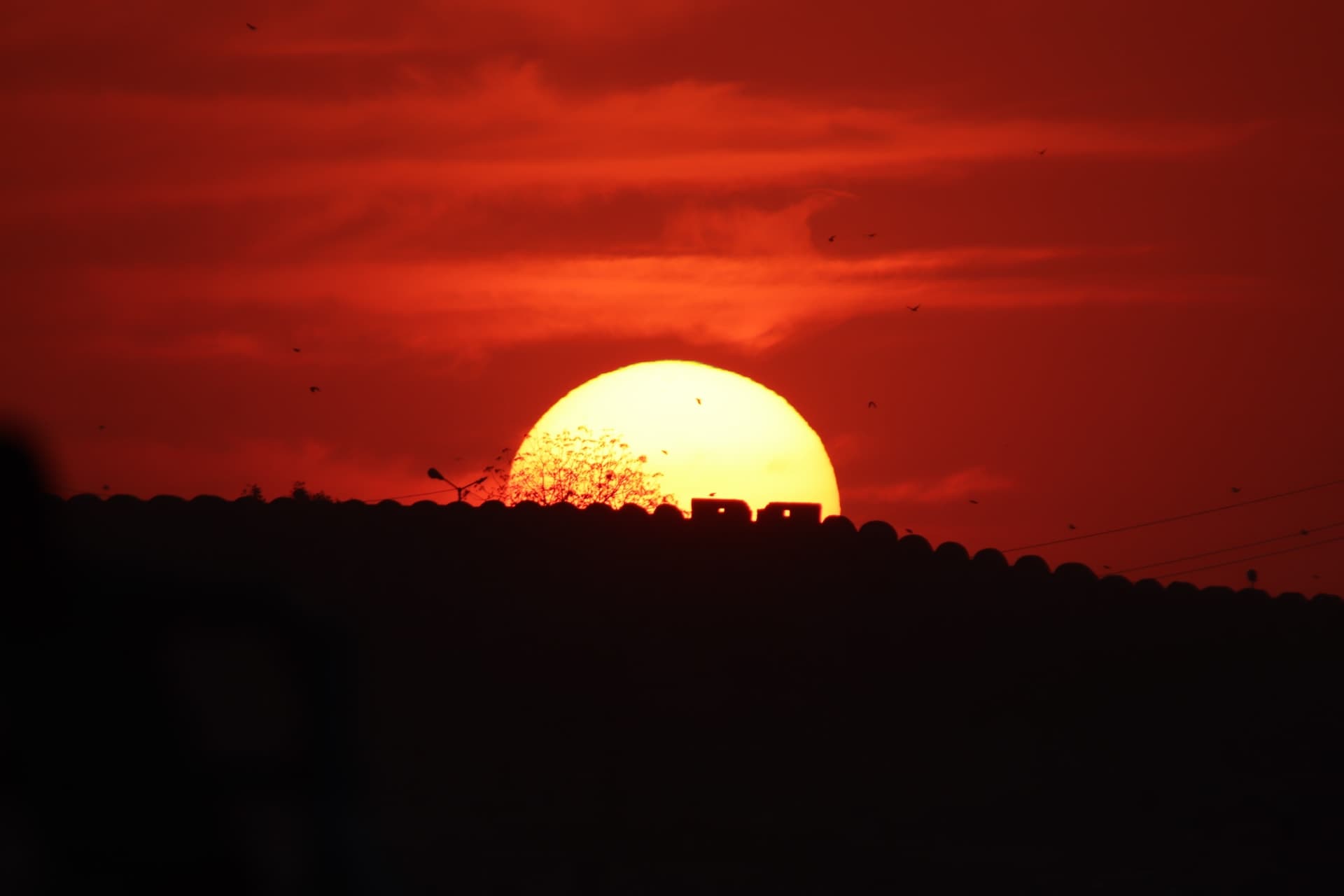
Sundown over Marwar
There is no sunset quite like a desert sunset. As the ball of fire dips below the horizon, it silhouets the fort walls and thorny scrub, painting the sky in fierce oranges and reds—the perfect end to a day in the Sun City.
Quick reference
| Trip length | 3 days (matches this story — fort, old city, stepwell, one sunset) |
|---|---|
| Mehrangarh Fort | Half day minimum — museum palanquins, Phool Mahal, rampart Blue City view |
| Toorji Ka Jhalra | Stepwell near Clock Tower — short walk from old-city bazaar |
| Street food | Mathris and snacks around the clock-tower market — budget time to eat on foot |
| Blue City view | From fort ramparts (classic boxed houses); wander lanes below next morning |
| Best season | Oct–Mar · Sundown over Marwar is best late afternoon on a clear day |
| From Jaipur | ~5.5 hrs by road (280 km) or overnight train — standard Rajasthan circuit leg |
| From Delhi | ~10 hrs by road or 5–6 hrs by Mandore/Suryanagari Express train |
Common questions