Share

Thailand Just Made It Harder to Enter. We're Still Going.

The news broke quietly on May 19, 2026. Thailand's Cabinet approved a sweeping overhaul of its visa rules — and for Indians, the headline "60 days cut to 30" undersells how much actually changed.

Most countries lost half their visa-free window. India lost the entire thing.

We're no longer on the visa-free list. Under the new framework, India joins a Visa on Arrival category shared with exactly three other countries in the world — Azerbaijan, Belarus, and Serbia. The 60-day era, which began in July 2024 and felt almost too good to be true, is over.

And yet. We're still planning our next Thailand trip. If you want the full picture of why Thailand keeps pulling us back, start with Thailand's Slow Coast — our guide to the southern islands we've now visited three times.


What the Headlines Got Wrong

Most of the coverage framing this as a "30-day cut" is accurate — for the US, UK, Australia, Japan, Singapore, and 50 other countries that shift from 60-day visa-free to 30-day visa-free. For them, the change is meaningful but manageable: still free, still generous.

India's story is different, and it got buried.

The Thai Cabinet's decision on May 19 didn't just reduce India's stay — it moved India from the visa-free exemption list entirely, reassigning it to a Visa on Arrival (VoA) category now covering only four countries globally: India, Azerbaijan, Belarus, and Serbia. This was part of a broader restructuring based on the principle of "one country, one Thai visa exemption privilege."

That means:

  • 15 days maximum on a VoA stamp (down from 60)
  • ~₹4,800–5,800 paid in cash at the airport in Thai Baht only
  • A dedicated VoA queue at Suvarnabhumi — which at peak times can run 1–2 hours
  • A form, a photo, proof of funds (10,000 THB per person), hotel booking, and return ticket all to be produced at the counter

⚠️ Important: the rules are not in effect yet. The Tourism Authority of Thailand confirmed on May 21, 2026 that revised entry conditions will apply 15 days after publication in the Royal Gazette. Until then, current entry conditions remain in place. As of May 30, no Gazette publication date has been confirmed — so the 60-day stamp is still being issued at the border. Monitor the TAT Newsroom or the Royal Thai Embassy India for the official notification.


Your Options Once the Rules Kick In

Staying 15 days or under:
Visa on Arrival at the airport. Carry 2,000 THB cash (Thai Baht only — no cards), a 4×6 cm photograph, hotel confirmation, return ticket, and proof of funds. Fill the TM.88 form at the VoA counter after landing.

Smarter option: pre-register for an Electronic Visa on Arrival (eVoA) through VFS Global before your trip. The eVoA gives access to a dedicated fast-track lane at immigration, bypassing the regular VoA queue entirely. Regular eVoA processing costs around 2,500 THB; express (within 24 hours) costs 4,500 THB. Worth it if you're flying into Suvarnabhumi on a Friday evening.

Staying 16–60 days:
Apply for a Thailand Tourist e-Visa before departure via the official Thai e-Visa portal. Single-entry costs ₹3,000 (revised April 2026). No queue, no cash scramble, no stress at immigration. If you're planning a proper slow trip — say, a week in Krabi and a week on Koh Lanta — this is the right call.

Staying longer or working remotely:
Look into the Destination Thailand Visa (DTV) — valid for 5 years, allows stays up to 180 days per visit, designed explicitly for digital nomads. Check the current fee on the official MFA Thailand page before applying as terms can change.

One mandatory step for everyone: All travellers must complete the Thailand Digital Arrival Card (TDAC) at tdac.immigration.go.th within 72 hours before arrival. It's free — but skipping it means no entry.


What's Driving the Online Reaction

The announcement triggered widespread confusion, with many users initially believing Thailand had completely cancelled Indian tourist access. Travel experts quickly clarified that Indians can still visit relatively easily under the VoA framework.

The real frustration, once the panic settled, split cleanly into two camps.

The first: slow travellers, digital nomads, and anyone who'd been using Thailand's 60-day window as a proper stay rather than a holiday. For them, the change genuinely stings — the DTV is the answer, but it's a different planning exercise. The second camp — the majority of Indian tourists doing 7–12 day trips to Bangkok, Phuket, or Krabi — is largely unaffected. The dominant sentiment, once people understood what the VoA actually involves, was "mildly irritating, not a dealbreaker."

Thailand's Cabinet cited illegal work, unlicensed businesses through Thai nominees, and repeated visa runs as the reasons for the reversal — framing the move as prioritising "quality tourism" over volume. Whether you agree with that framing or not, the practical result is the same: a small fee, a queue you can skip with eVoA pre-registration, and the same country on the other side of immigration.


This is where it gets practical, and where I noticed something worth flagging: direct Bangalore–Krabi flights are thin right now.

IndiGo's last scheduled direct Bangalore–Krabi flight was March 27, 2026 — the route is effectively suspended for summer. The most popular routing from Bangalore to Krabi goes via Kuala Lumpur, with average round-trip fares around ₹17,954.

Bangalore → Bangkok remains the primary entry point and is well-served year-round. IndiGo, Air India, Air India Express, Thai Airways, and Vietnam Airlines all operate direct services. The fastest flight takes 2 hours 30 minutes. From Bangkok, domestic connections to Krabi, Phuket, Koh Samui, or Chiang Mai are cheap and frequent.

  • Average round-trip BLR–Bangkok: ~₹26,000; one-ways from ₹14,000–16,000 with IndiGo right now
  • Cheapest months historically: March and November
  • Most expensive: September — avoid if budget-sensitive
  • June–August: Bangkok → Krabi domestic averages ~$71 (≈₹6,000) round-trip in July

Trip structure: Fly BLR–Bangkok direct, then hop domestically to Krabi or Phuket. More options, better fares, same destination.


Where to Go — and What the 15-Day Stamp Actually Covers

Fifteen days is more than enough for most Thailand trips. Here's what each destination realistically asks for:

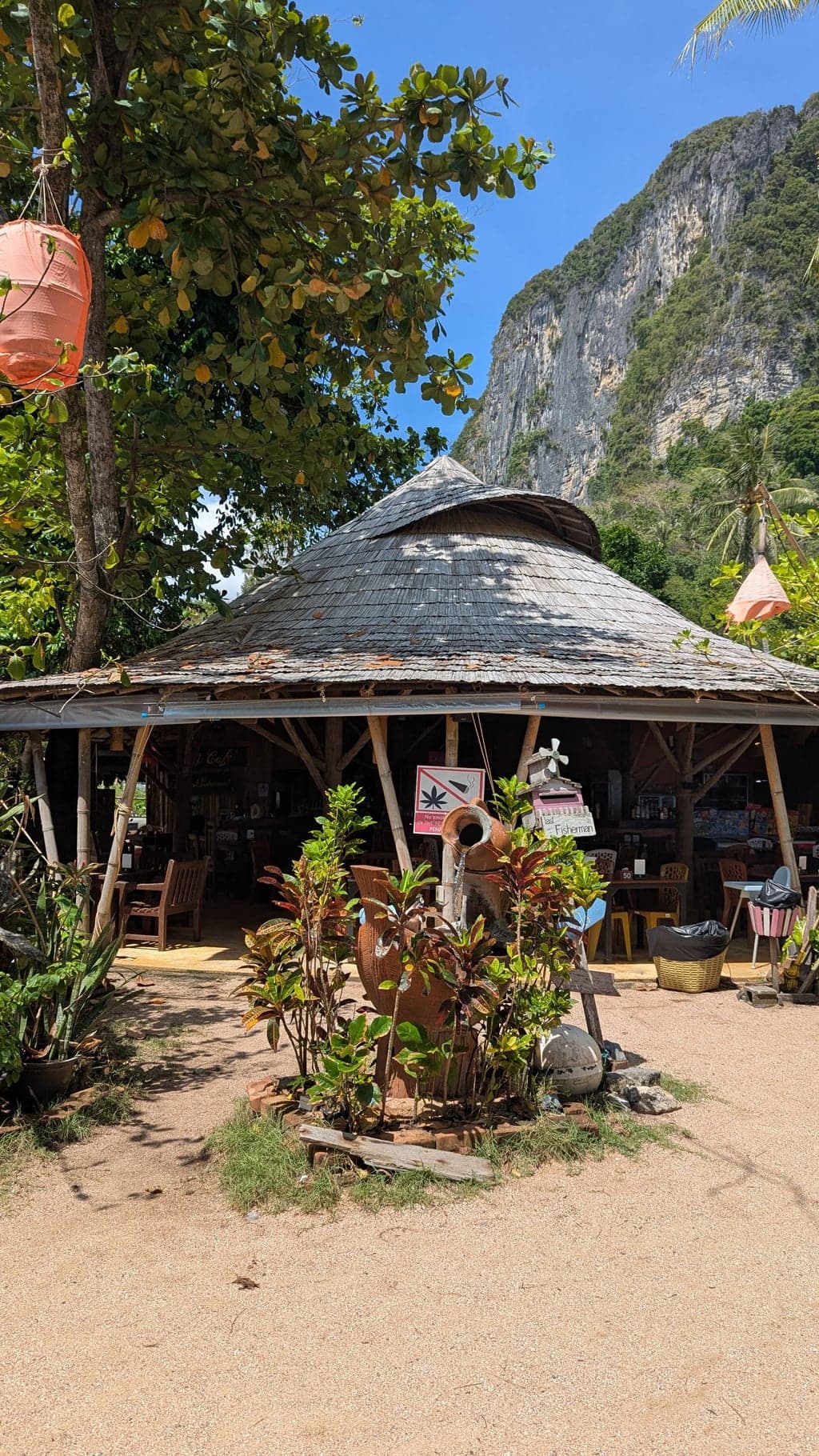
Krabi / Ao Nang (4–6 days): Long enough to do Railay, the Four Islands, and a day on Koh Lanta without rushing. We've done this circuit twice — here's our full Ao Nang guide.

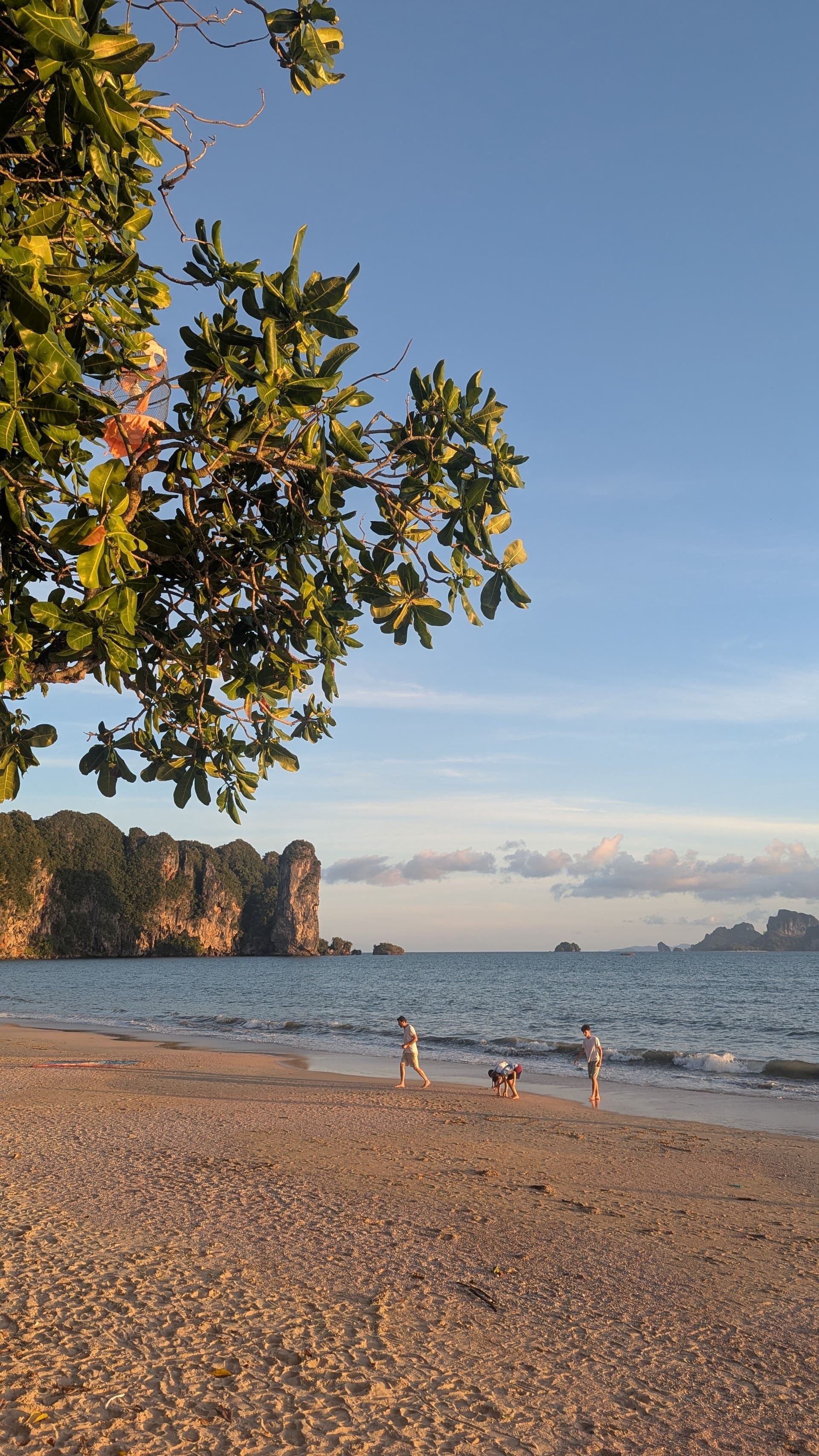
Ao Nang, Krabi, Thailand — limestone karsts and clear water
Ao Nang, Krabi. The tide-cave trail is only accessible at low tide — worth timing your visit around it.

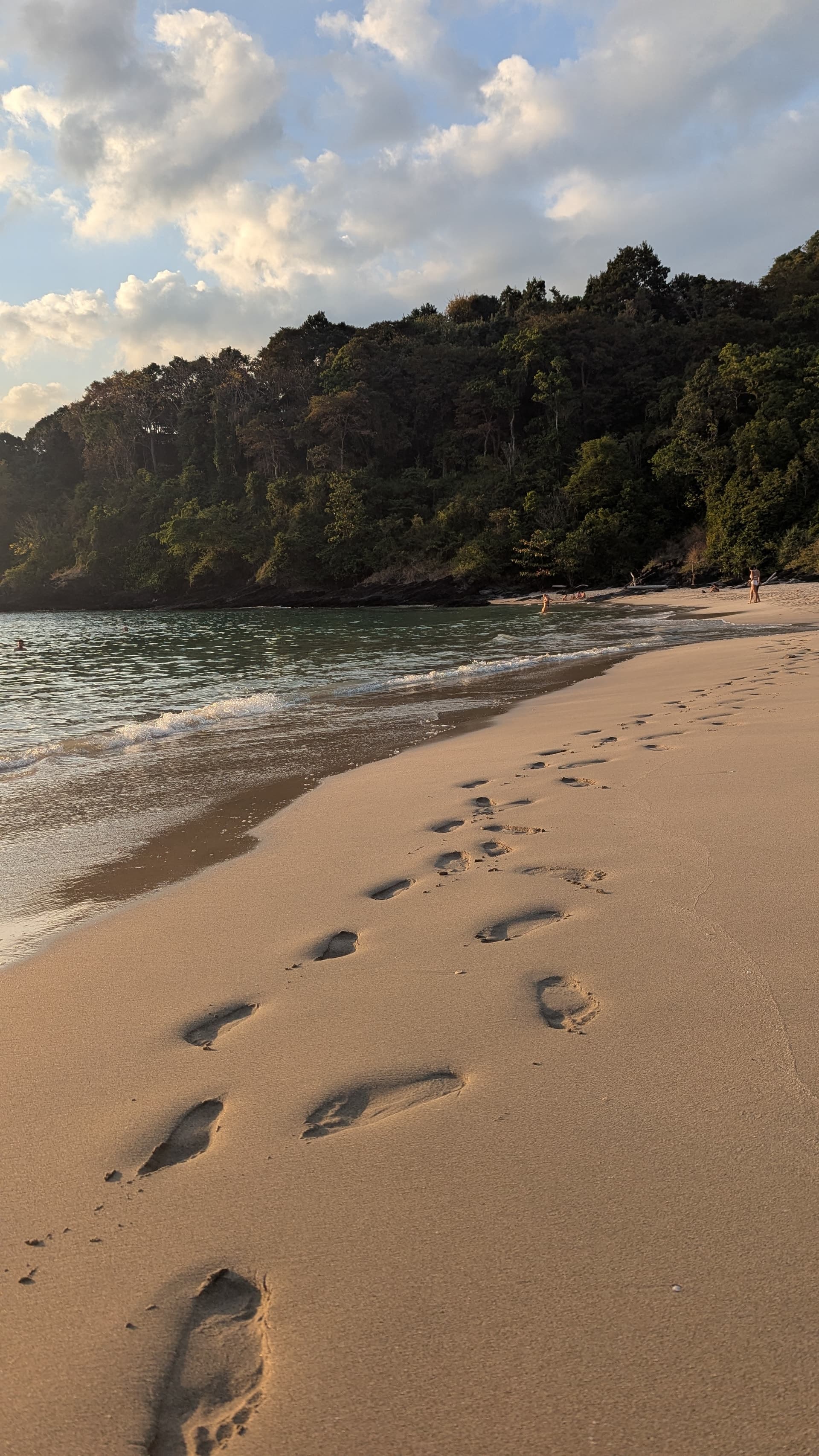
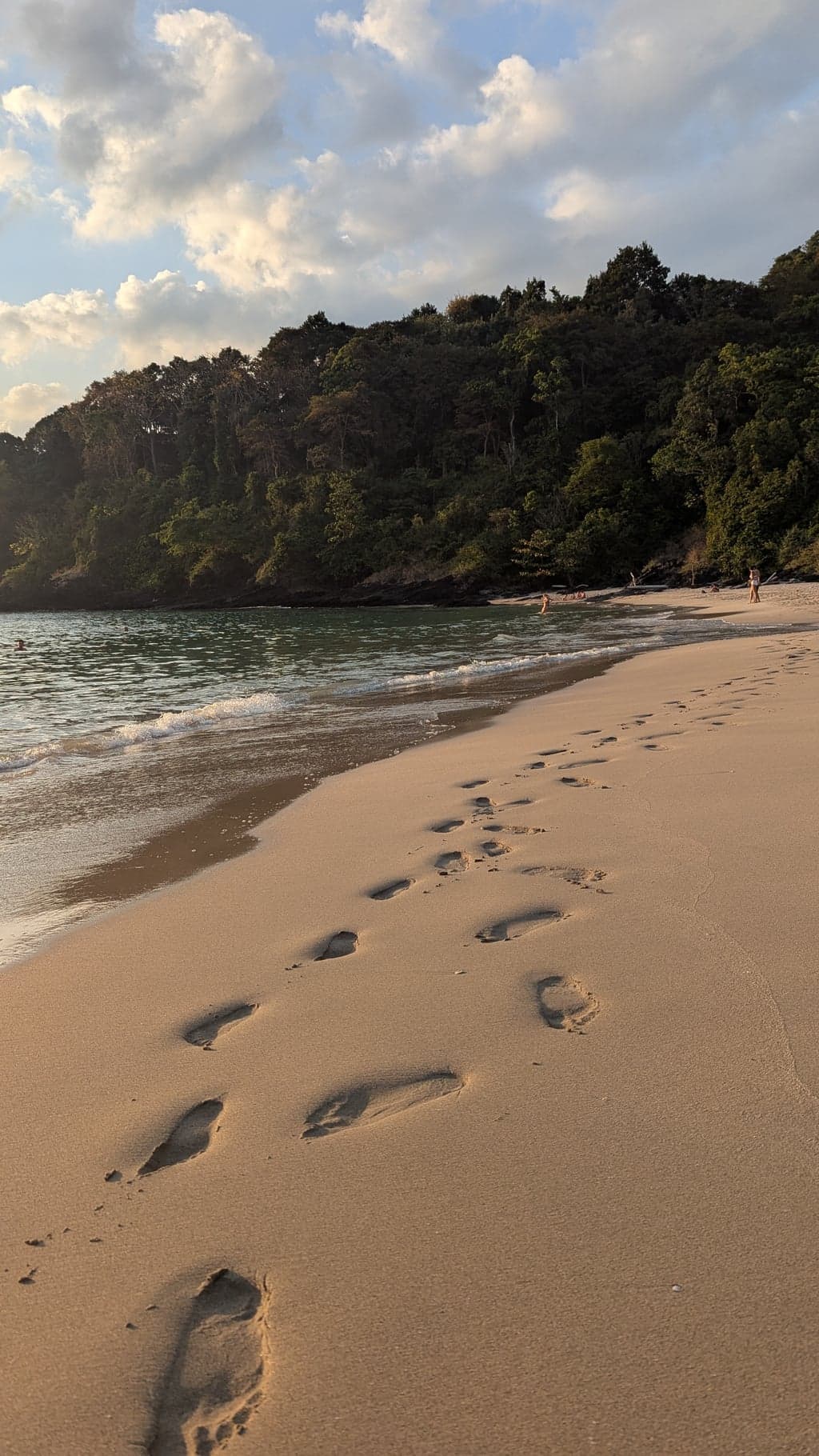
Koh Lanta (5–7 days): This is a slow island — it genuinely requires you to decelerate. We spent a week there once and still felt we left too early; the days get absorbed into long lunches, empty beaches at dusk, and evenings that don't have a plan. Don't rush it into a long weekend. If you're working remotely, Koh Lanta is one of the better-structured islands for remote work in Southeast Asia — good wifi, quiet enough to focus, social enough not to feel isolated.

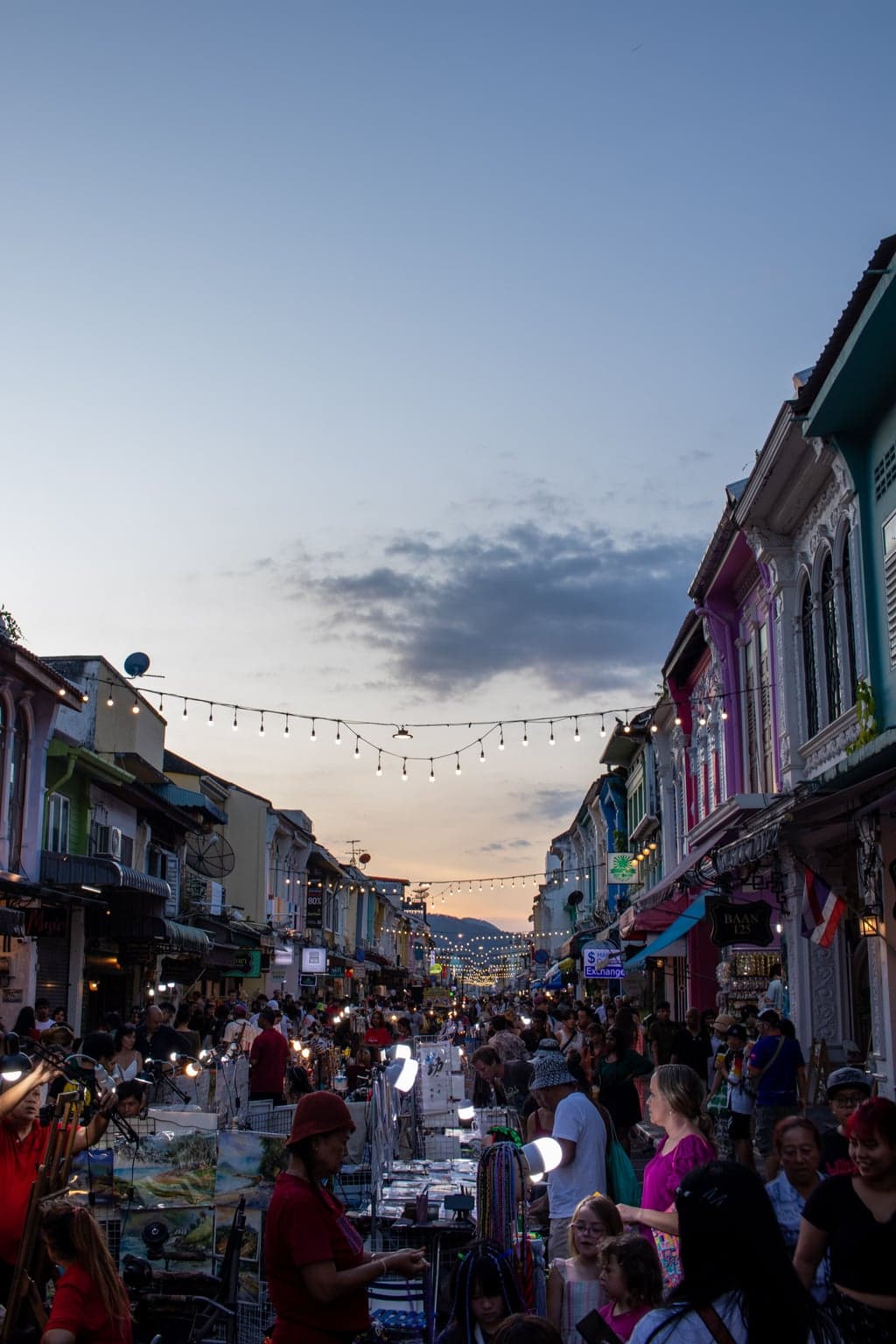
Street scene, Koh Lanta, Thailand
Koh Lanta. Takes about two days to fully sync with the pace here.

Koh Samui (3–5 days): Compact enough to cover the key beaches in under a week. Lamai is our pick over Chaweng — less commercial, better for long morning swims.

Bangkok (2–3 days): Enough for Chatuchak, a couple of temples, the riverside, and more food than you planned to eat.

A combined south circuit (BKK + Krabi or BKK + Koh Samui): 10–12 days. Still well within the VoA window. The trip most Indian travellers actually do.

The 15-day stamp only becomes a constraint if you're combining north and south in one trip — that calls for an e-Visa applied before departure. Two weeks isn't enough for both anyway.


Why We're Still Going

Three trips — Krabi, Koh Lanta, Koh Samui — and I have yet to leave Thailand feeling like it wasn't worth it. Read about how three trips in a year turned Thailand into our reset button.

₹5,000 is noise in the context of a Thailand trip budget. The VoA fee stings because it's new, not because it's ruinous. A decent dinner for two in Krabi costs less than an average evening out in Bangalore. A good Koh Lanta resort is cheaper than a weekend in Goa. The arithmetic still works.

Fifteen days is enough for most Indian holidays. The average Indian trip to Thailand runs 7–12 days. The 60-day window was extraordinary; the new 15 is workable for the holiday most people actually take. The ones genuinely hit are slow travellers and the work-from-Thailand crowd — for them, the e-Visa or DTV is the answer, not cancellation.

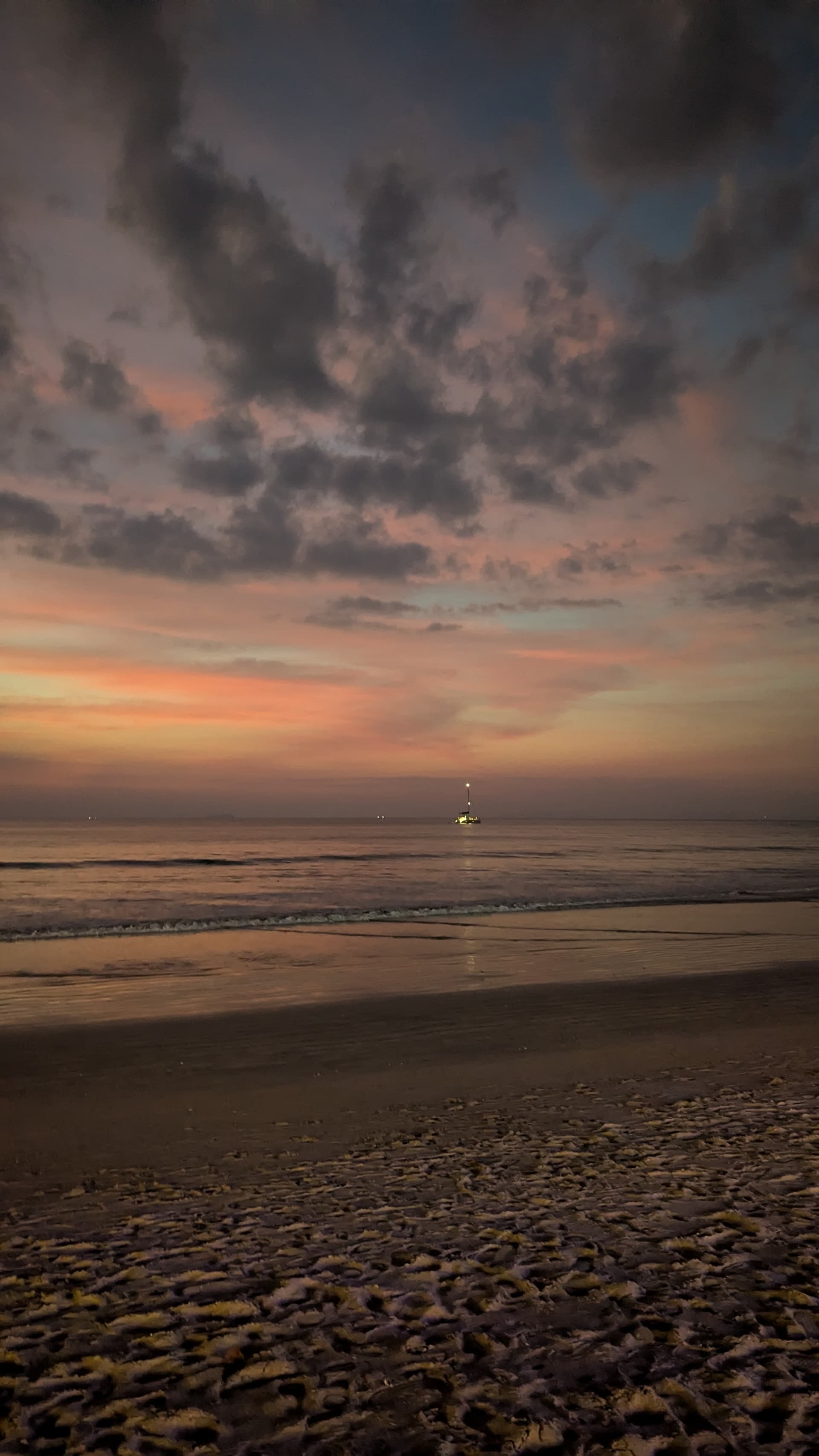
The country hasn't changed. The bureaucracy at the border has. The water in Ao Nang is still that colour. The mornings in Koh Lanta still smell of coffee and salt.

And for what it's worth — the original reason we kept going back to Thailand had nothing to do with how easy it was to enter.


What I'd Do If I Were Booking Right Now

We haven't fixed our dates yet, but here's where my head is.

If the trip is under two weeks — and most India–Thailand trips are — the eVoA is the move. Pre-register through VFS Global before you fly, pay the fee online, and you walk straight past the regular VoA queue at Suvarnabhumi. I've stood in that queue at midnight after a delayed IndiGo flight. The eVoA premium is worth every rupee.

If you're planning something longer — a proper Koh Lanta week plus a few days in Krabi, or a slow month that's been on your list since the 60-day window opened — apply for the Tourist e-Visa at thaievisa.go.th before you leave. ₹3,000, no airport counter, no cash scramble. Just sorted.

On flights: forget the direct Bangalore–Krabi search for now. That route is suspended through summer. Book BLR–Bangkok instead — IndiGo or Air India, 2.5 hours, well-priced right now — and take a domestic connection south. Bangkok to Krabi in July costs about ₹6,000 return. It's actually a more flexible structure anyway; you get a night in Bangkok on either end if you want it.

One thing that catches people out: the Thailand Digital Arrival Card (TDAC) has to be filled online at tdac.immigration.go.th within 72 hours before landing. It's free, takes ten minutes, and without it you don't clear immigration. Do it the evening before you fly.

Thailand's door hasn't closed. It's just gotten a lock. Bring the key.


Official Sources to Monitor

Photos from Thailand's New Visa Rules for Indians (2026): What Changed and Why We're Still Going

IMG_2145.jpg

IMG_2145.jpg

PXL_20250803_120949370~2.jpg

PXL_20250803_120949370~2.jpg

PXL_20250809_071405448.jpg

PXL_20250809_071405448.jpg

PXL_20250802_152535616.jpg

PXL_20250802_152535616.jpg

IMG_1618.jpg

IMG_1618.jpg

IMG_1582.jpg

IMG_1582.jpg

Google Pixel 7 — 7mm • ƒ/1.9 • 1/58 • ISO 1464
Google Pixel 7 — 7mm • ƒ/1.9 • 1/58 • ISO 1464

Google Pixel 7 — 7mm • ƒ/1.9 • 1/1332 • ISO 40
Google Pixel 7 — 7mm • ƒ/1.9 • 1/1332 • ISO 40

Google Pixel 7 — 7mm • ƒ/1.9 • 1/1550 • ISO 42
Google Pixel 7 — 7mm • ƒ/1.9 • 1/1550 • ISO 42

Google Pixel 7 — 7mm • ƒ/1.9 • 1/1414 • ISO 46
Google Pixel 7 — 7mm • ƒ/1.9 • 1/1414 • ISO 46

Google Pixel 7 — 7mm • ƒ/1.9 • 1/97 • ISO 51

Google Pixel 7 — 7mm • ƒ/1.9 • 1/97 • ISO 51

Google Pixel 7 — 2mm • ƒ/2.2 • 1/1239 • ISO 50

Google Pixel 7 — 2mm • ƒ/2.2 • 1/1239 • ISO 50

Google Pixel 7 — 7mm • ƒ/1.9 • 1/100 • ISO 578
Google Pixel 7 — 7mm • ƒ/1.9 • 1/100 • ISO 578

PXL_20250807_230641854.jpg

PXL_20250807_230641854.jpg

PXL_20250807_230725379.jpg

PXL_20250807_230725379.jpg

PXL_20250804_120138881.MP.jpg

PXL_20250804_120138881.MP.jpg

Destination Guide

Vietnam Slow Roads

From Hanoi's street corners to Hoi An's lantern-lit lanes — a slow travel guide to Vietnam. Where to base yourself, when to go, and what to read before you arrive.

Thailand's New Visa Rules for Indians (2026): What Changed and Why We're Still Going — Wandering Bong