Vietnam Slow Roads
From Hanoi's street corners to Hoi An's lantern-lit lanes — a slow travel guide to Vietnam. Where to base yourself, when to go, and what to read before you arrive.
Where to Base Yourself
Vietnam stretches over 1,600 km. Each city has its own tempo — pick your base, then move slowly.
Hanoi
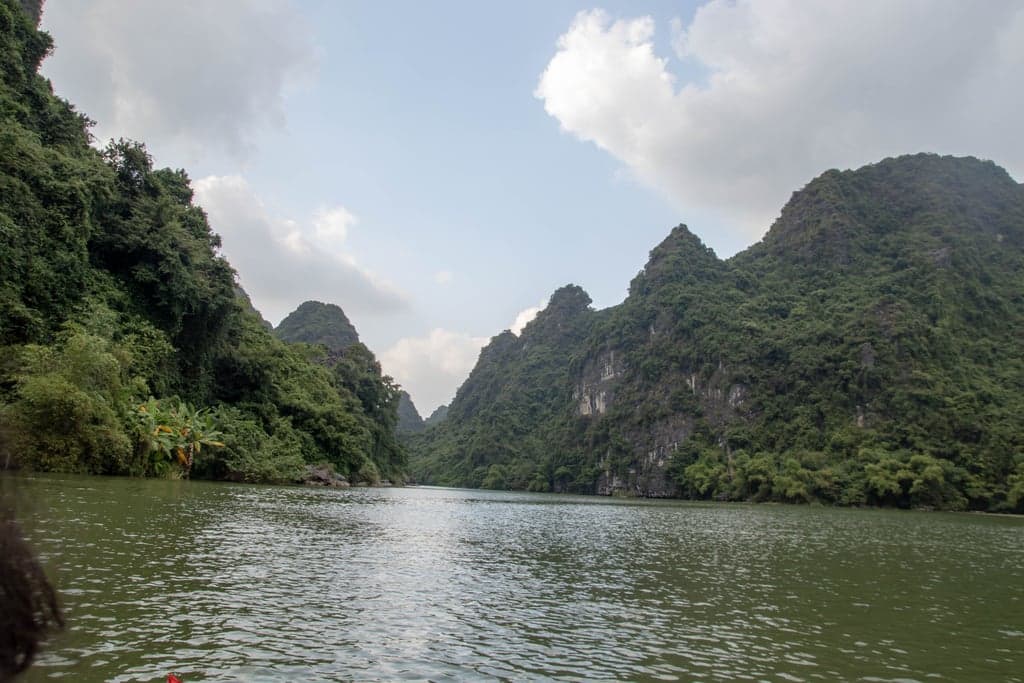
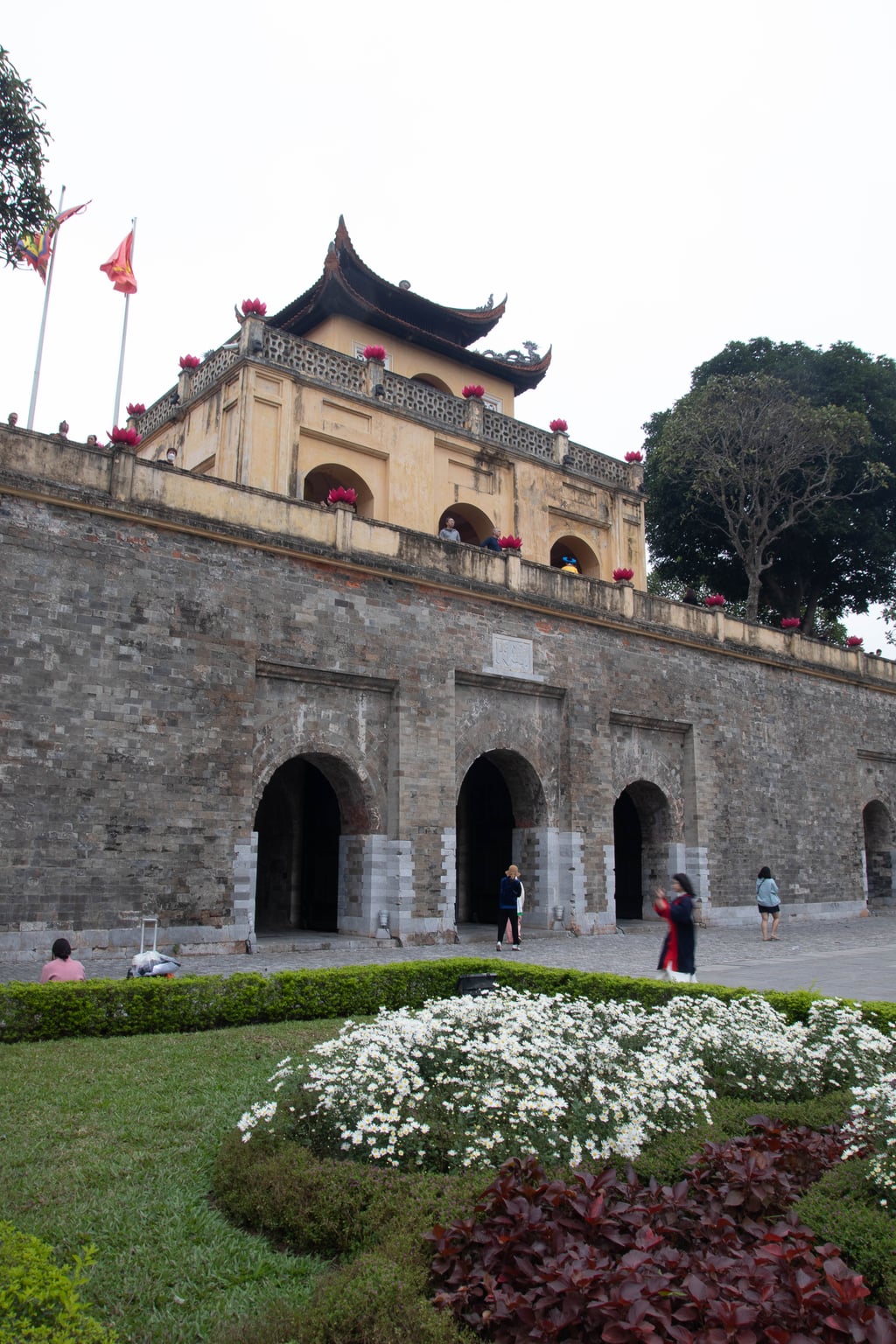
The NorthVietnam's capital moves differently from the south — older, more layered, with a French-colonial grid dissolving into ancient quarter lanes. Base here for the north: Ninh Binh, Ha Long, Sapa day trips all radiate from here.

- Hoan Kiem / Old Quarter
- Tay Ho (West Lake) — quieter, expat-popular
- Dong Da — too far from everything
- Airports area
Oct–Dec — Cool, low humidity, clear skies. The best Hanoi has to offer.
Feb–Apr — Nồm humidity — everything feels damp and grey.
Summer is hot but the city is alive. Monsoon rains are fast and warm.
Egg coffee. Original, not the tourist-facing branch. Queue for it.
The Obama bun cha spot — still worth it, still local.
The city before it wakes. Wholesale produce chaos, beautiful light.
Hoi An
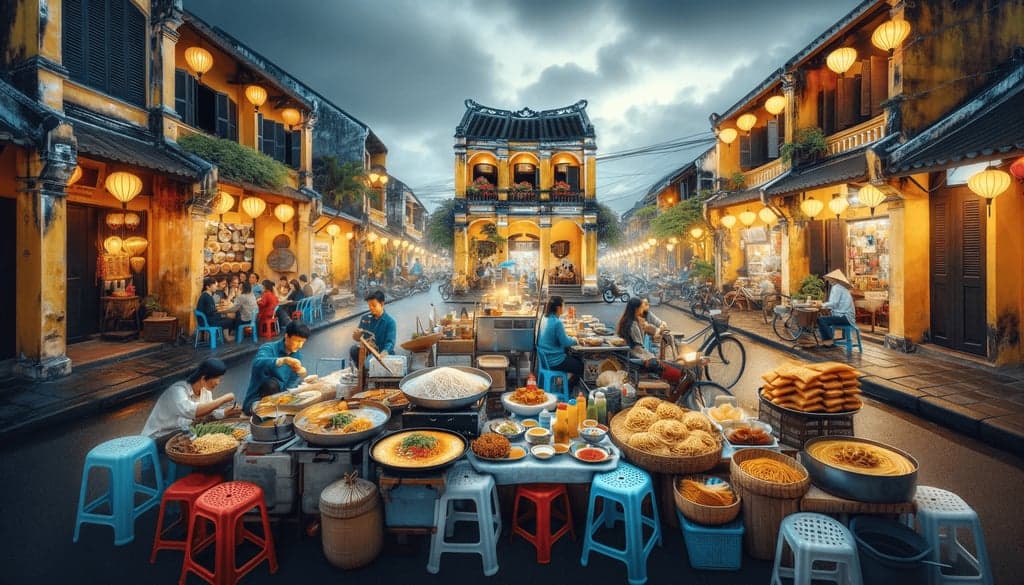
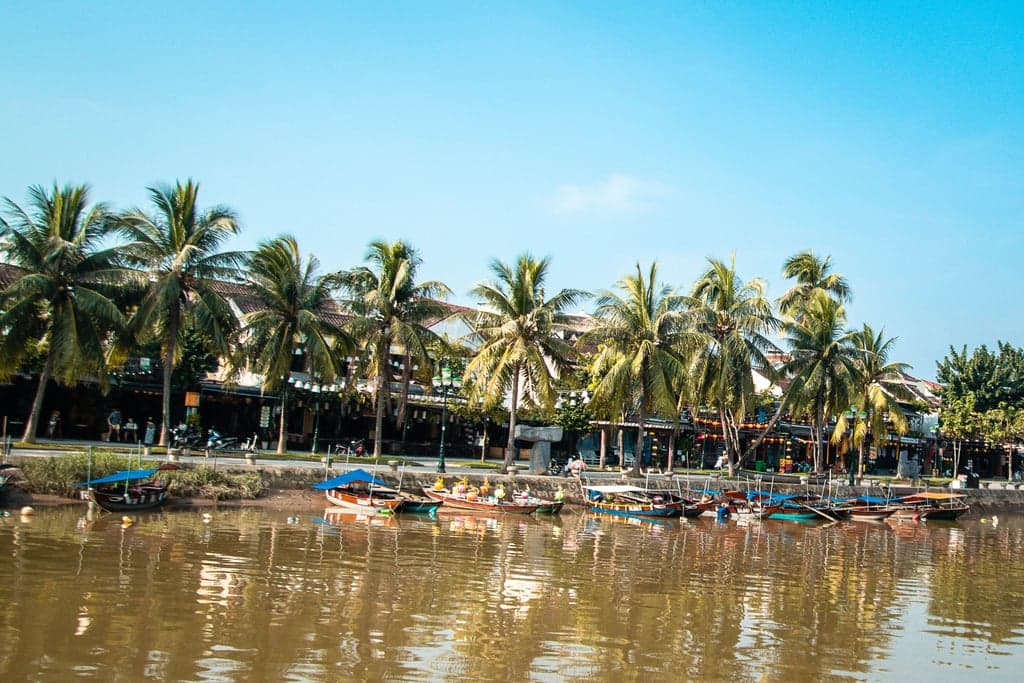
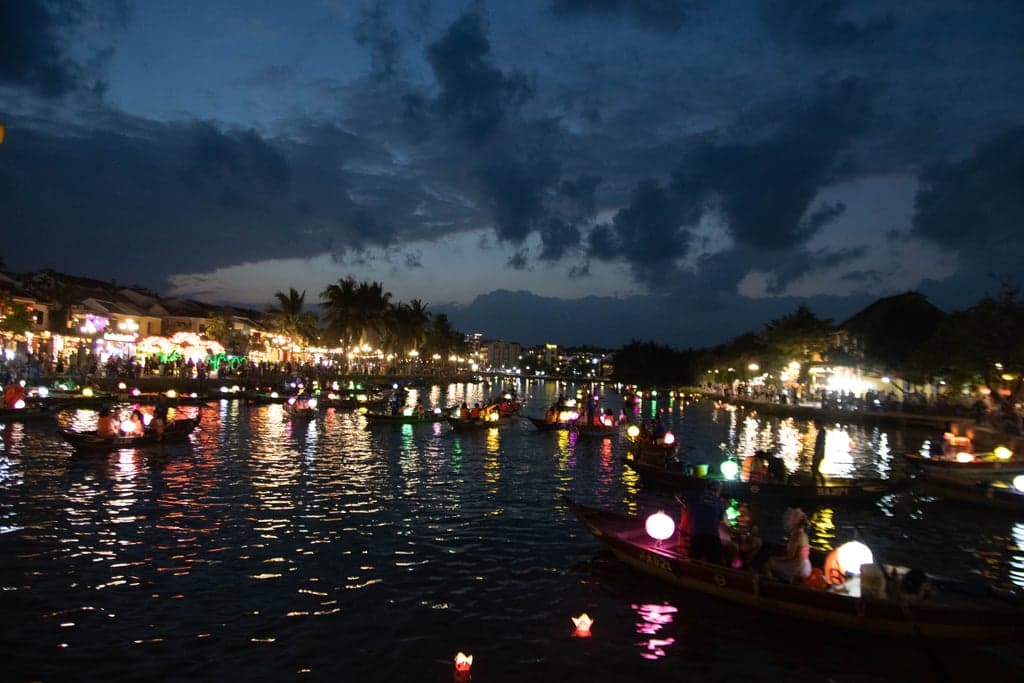
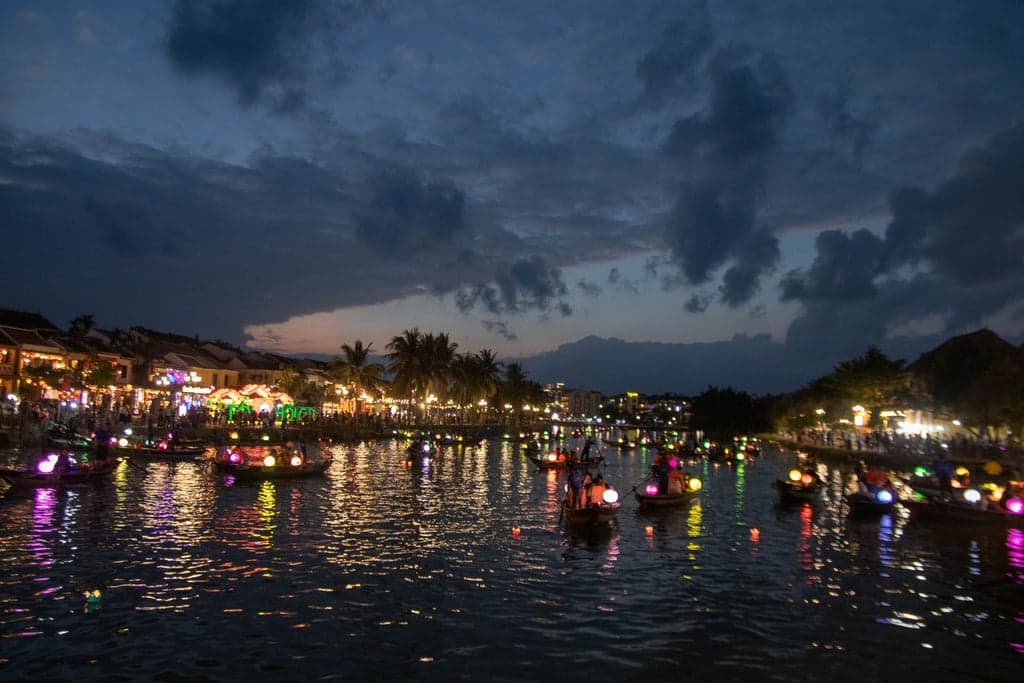
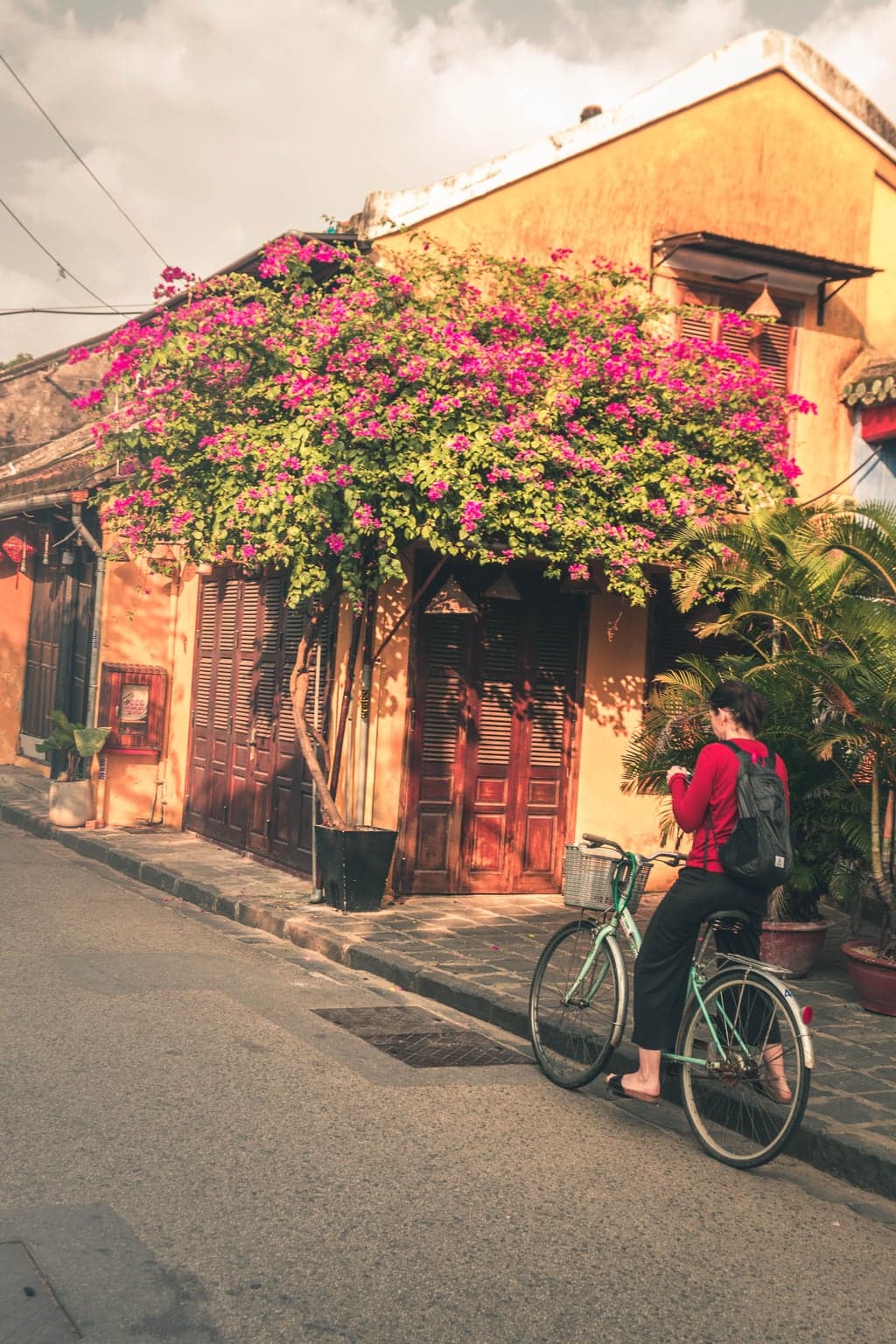
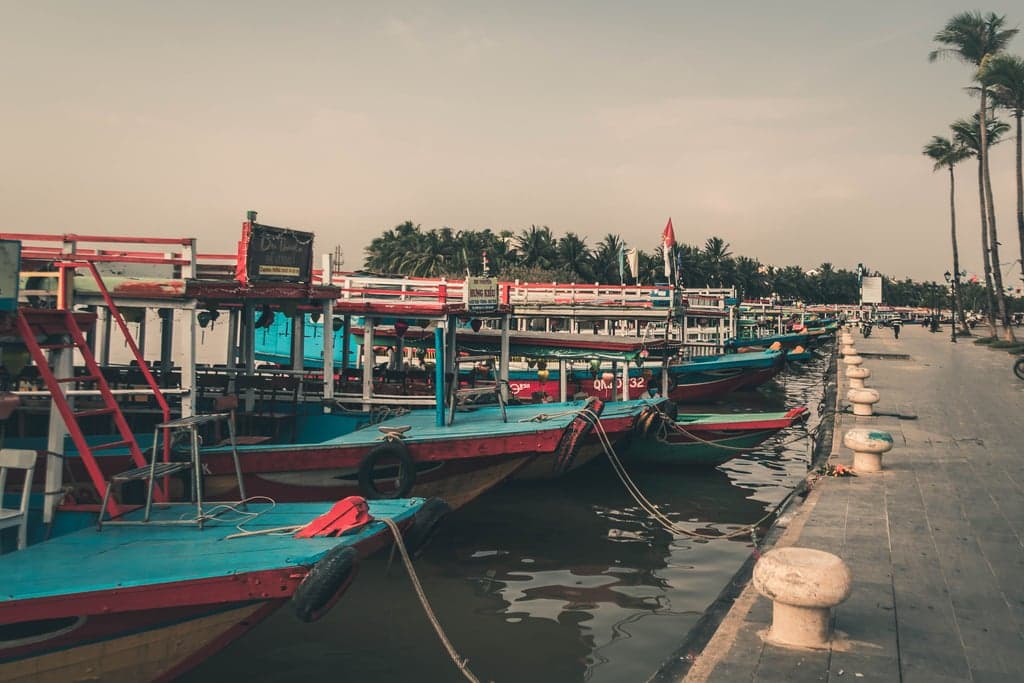
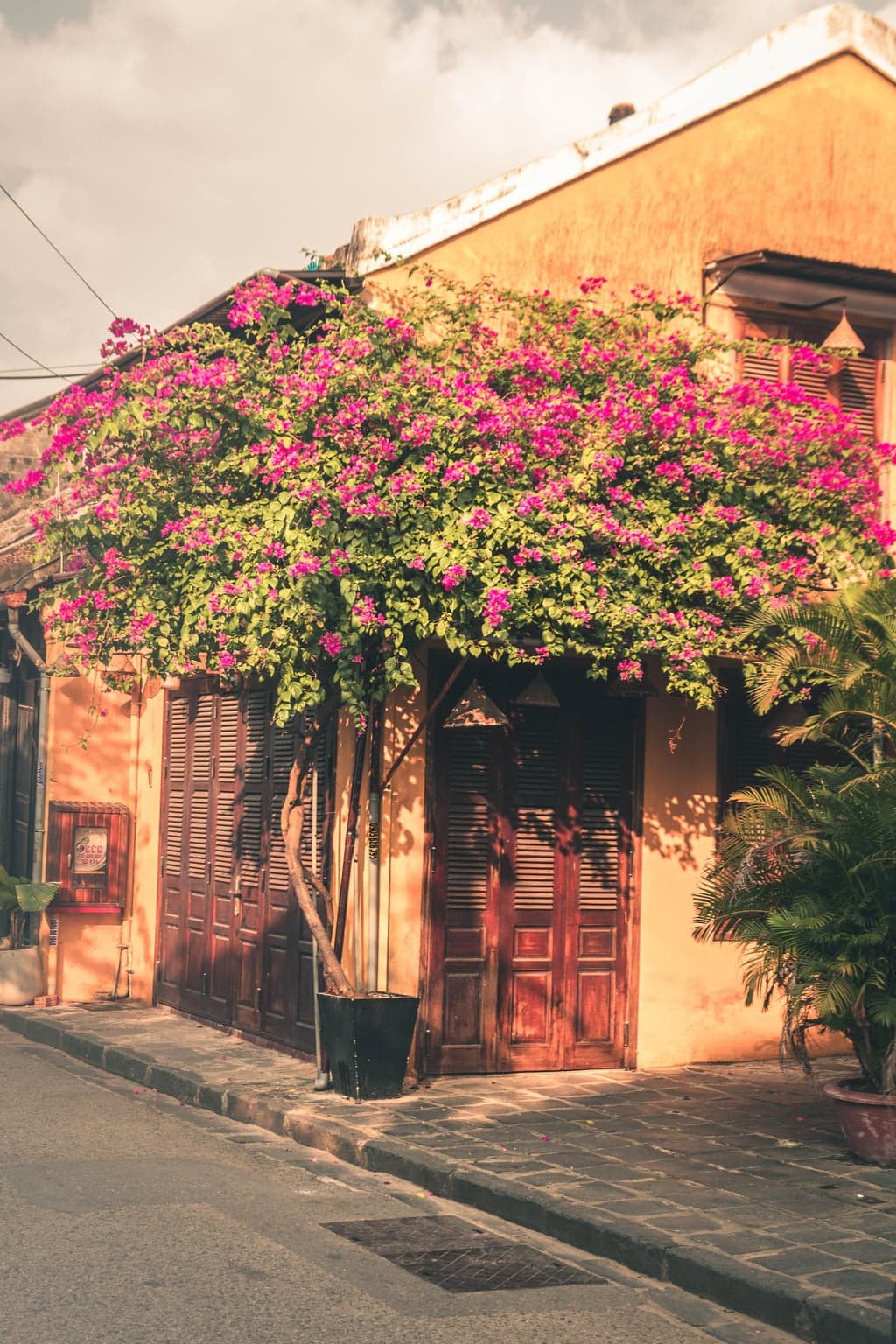
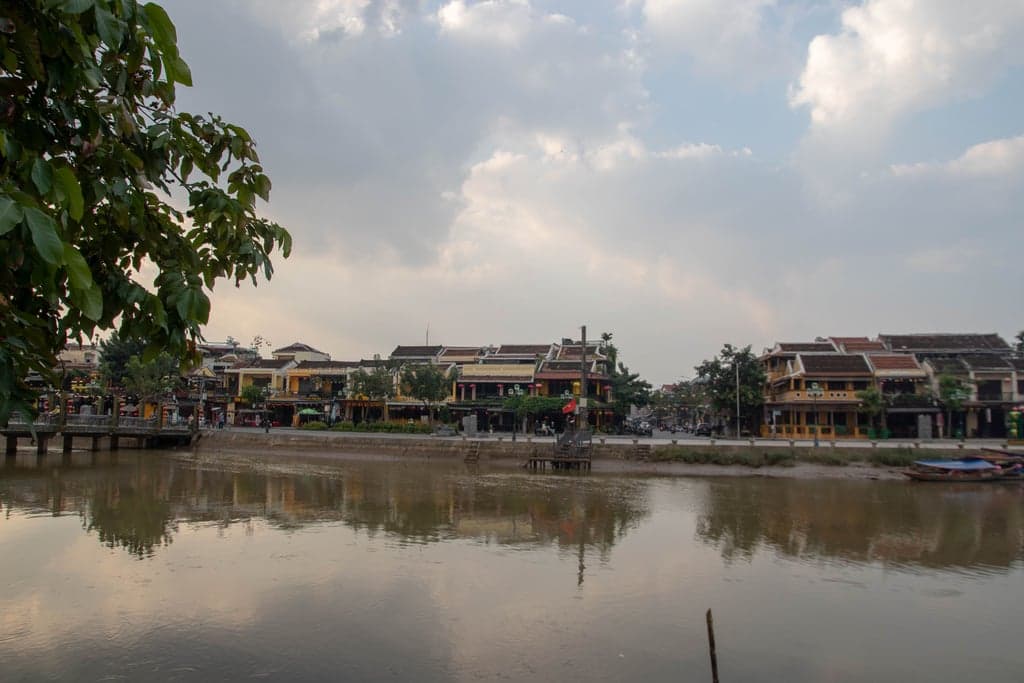
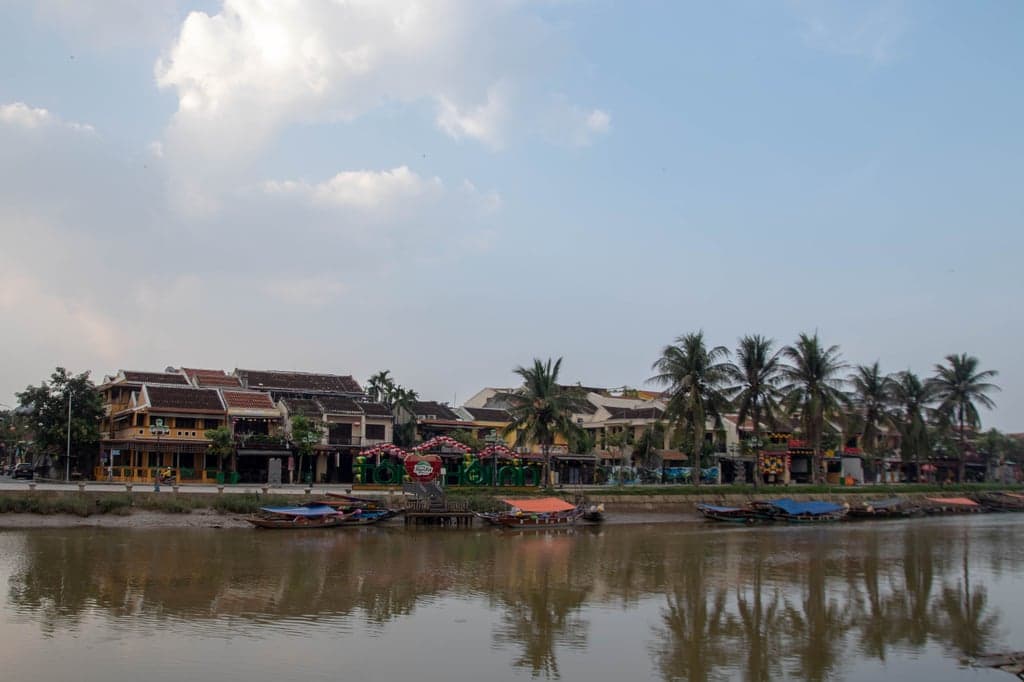
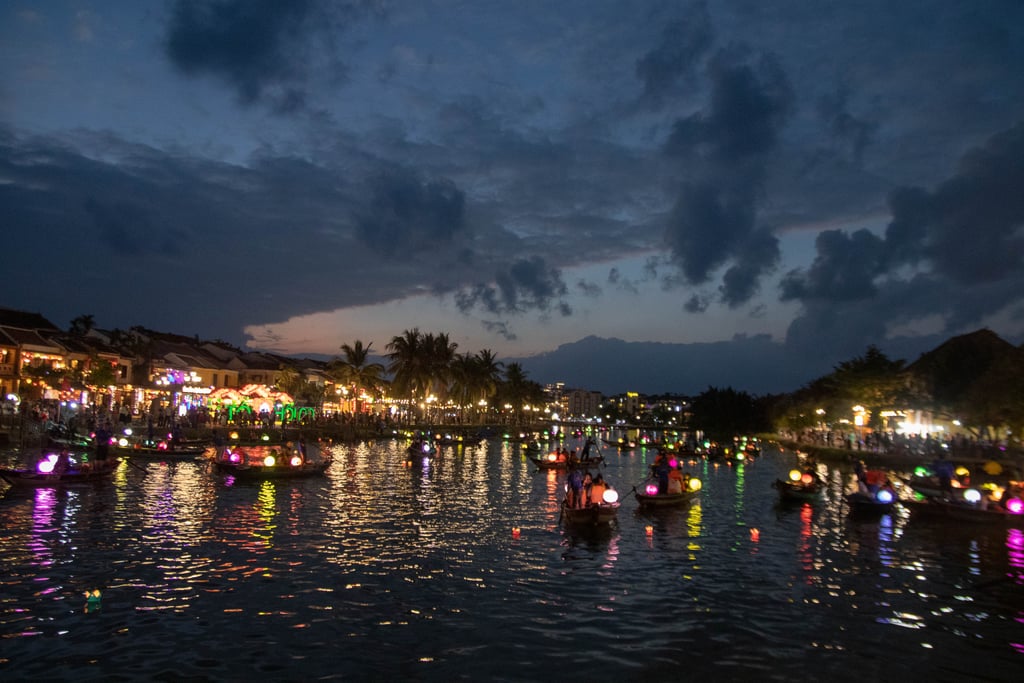
Central CoastThe most liveable city in Vietnam — small enough to walk across, rich enough to stay weeks. The old town is genuinely beautiful. The coast (An Bang, Cua Dai) is 5km out and worth it. A favourite for remote workers.

- An Bang Beach area — quieter, local restaurants
- Old Quarter edges — walk everywhere
- Right inside the old town — overpriced and tourist-noisy
- Cua Dai — beach erosion issues
Feb–Apr — Dry, warm, low season finishing — best balance of weather and crowd.
Oct–Nov — Flooding season — the old town can be knee-deep under water.
May–Aug is hot but manageable. The sea is swimmable and the town is quieter.
The one Anthony Bourdain called the best banh mi in the world. Still true.
Best cao lau and white rose dumplings. Go for lunch, not dinner.
Empty beach, fishing boats returning, one coffee shack. Go before 7am.
Ho Chi Minh City
The SouthSaigon doesn't slow down. The energy is relentless — motorbike rivers, rooftop bars, street food at midnight. Base here for the Mekong Delta, day trips south, or simply for the city itself. It rewards those who lean in.

- District 1 — central, walkable to everything
- District 3 — residential feel, great cafes
- Bui Vien / backpacker street — loud until 4am
- Outer districts without a scooter
Dec–Apr — Dry season. Clear, warm, low humidity. The city at its most comfortable.
Jun–Sep — Heavy monsoon afternoons — flash floods are common and unpredictable.
The wet season mornings are often perfect — rain hits fast in the afternoon.
A whole alley of plastic-stool com tam spots. Breakfast staple.
Best specialty coffee in D1. Bring a laptop, stay three hours.
Skip the indoor market, eat at the stalls spilling onto the pavement outside.
How Long to Stay
Vietnam rewards slow movement. These are frameworks, not schedules — adjust to visa windows, budget, and how much you want to do.
10 Days: Hanoi to Hoi An
The classic north-to-central run. Fly into Hanoi, out of Da Nang. Don't rush it.
Get oriented. Walk the Old Quarter obsessively. Do one day trip — Ninh Binh, not Ha Long (save Ha Long for longer trips).
- 01Days 1–2: Old Quarter, Hoan Kiem, street food circuit
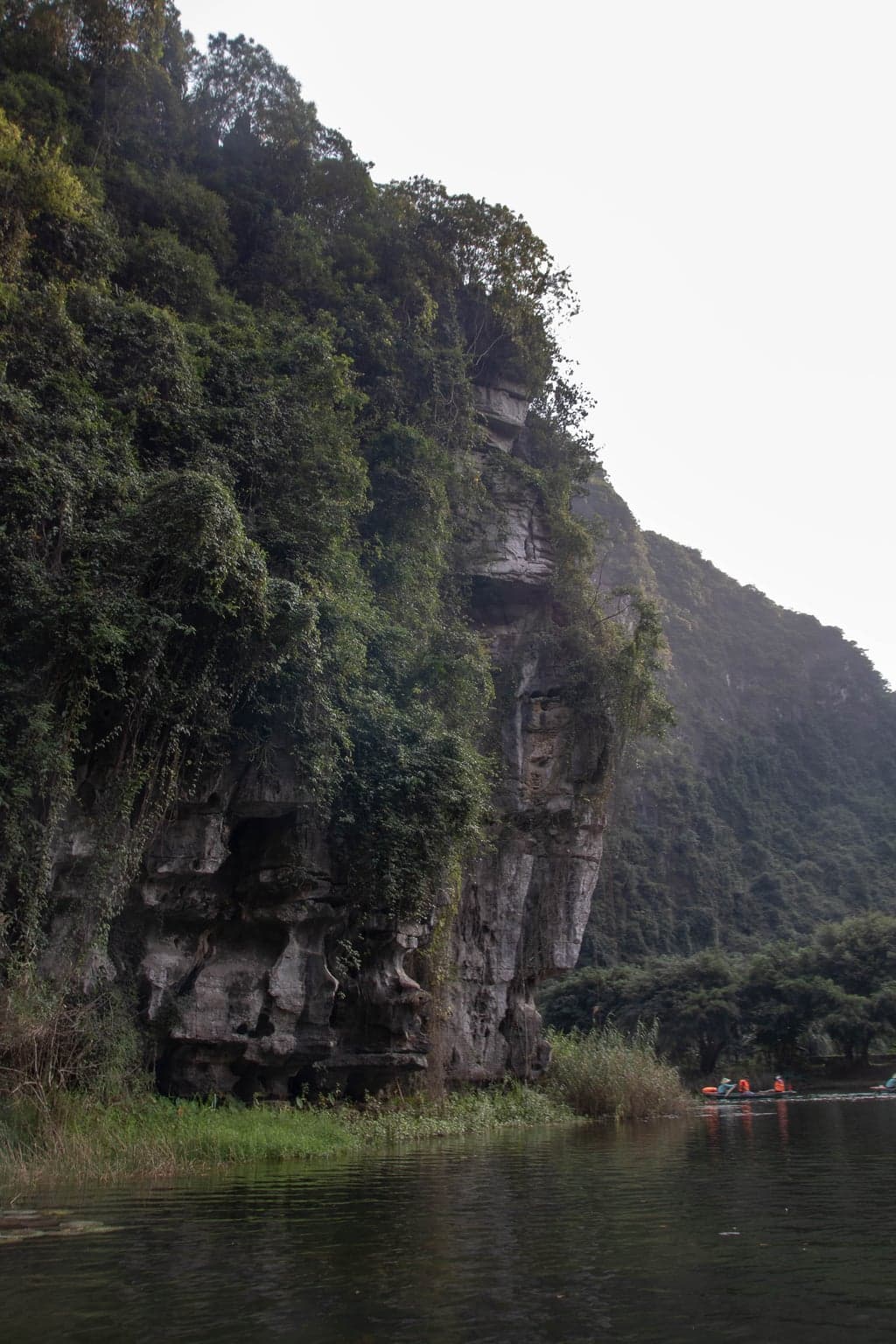
- 02Day 3: Ninh Binh day trip — Tam Coc by boat, Trang An hike
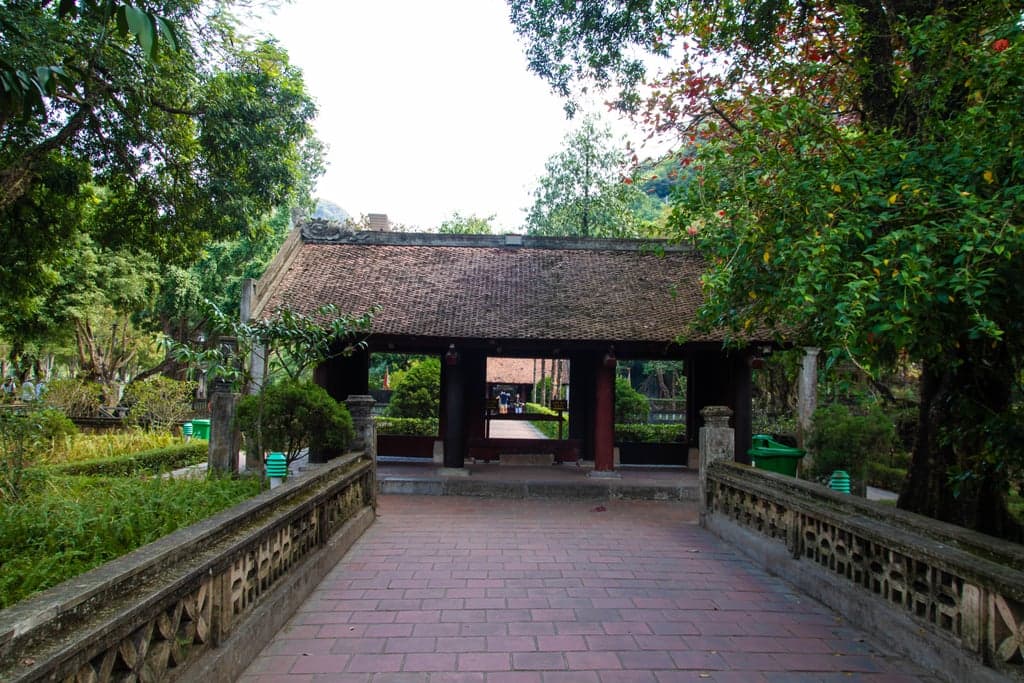
- 03Days 4–5: Slow days — West Lake cafes, train street, Temple of Literature
- 04Day 5 night: Overnight train to Da Nang (book the soft sleeper)
The old town is small — you'll cover it in a day. The rest of the time: beach, food, slow mornings.
- 01Day 6: Arrive Da Nang, transfer to Hoi An (45 min)
- 02Days 6–8: Old town in the morning, An Bang Beach in the afternoon
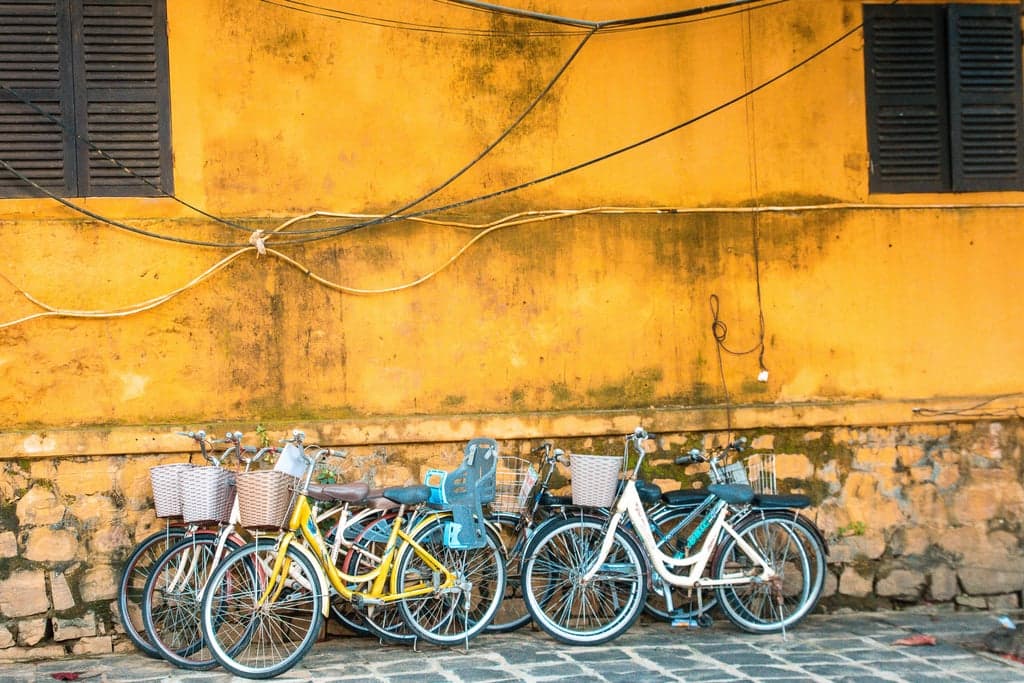
- 03Day 9: Cooking class or bicycle to the villages outside town
- 04Day 10: Fly home from Da Nang
Work noteHoi An has excellent wifi at most guesthouses and cafes. An Bang Beach area has reliable connections and a calm working atmosphere.
3 Weeks: Full Length
North to south or reverse. Enough time to slow down properly in each place.
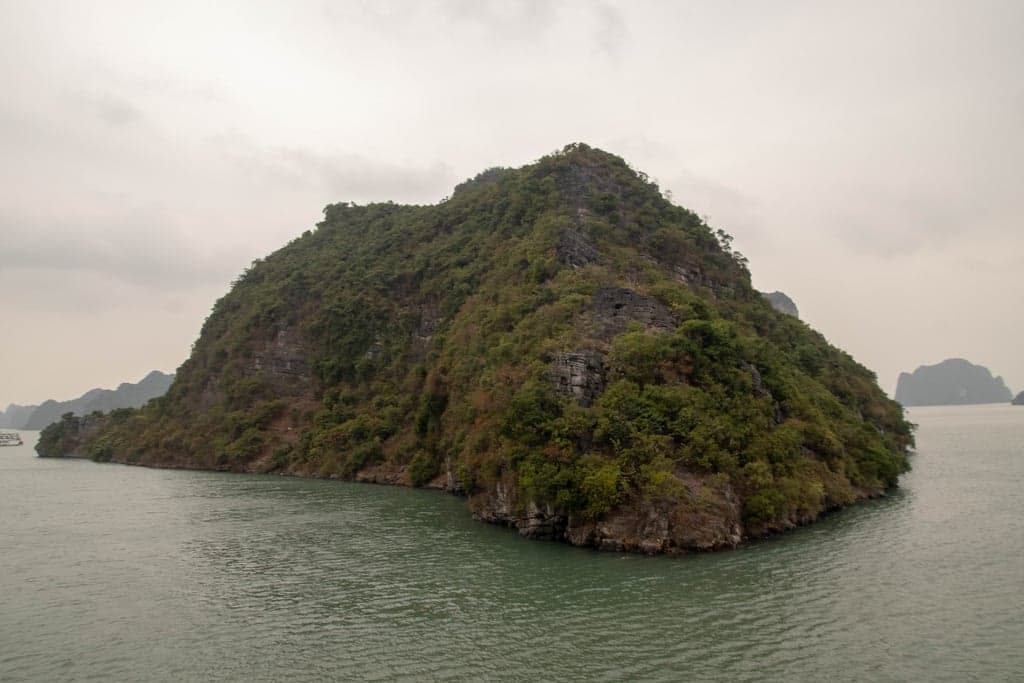
More time means Ha Long Bay is worth it. The 2-night cruise is the right call.
- 01Days 1–2: Hanoi — Old Quarter, museums, street food
- 02Days 3–5: Ha Long Bay — 2-night cruise on a small boat (avoid the large party boats)
- 03Day 6: Hanoi recovery day, overnight train south
Hue is underrated — the imperial city, the tombs, the best bun bo in Vietnam. Two days minimum.
- 01Days 7–8: Hue — Imperial Citadel, Thien Mu Pagoda, boat on the Perfume River
- 02Days 9–13: Hoi An — old town, beach days, day trip to My Son
- 03Day 13: Fly to Ho Chi Minh City
The south moves faster. Saigon is a city that rewards those who lean into its chaos.
- 01Days 14–16: Ho Chi Minh City — D1, War Remnants Museum, night markets
- 02Days 17–18: Mekong Delta — Can Tho floating market, one night in the delta
- 03Days 19–21: Back to Saigon, fly home
Work noteHo Chi Minh City has strong coworking infrastructure — Toong, Dreamplex, and dozens of good cafes. Best in D1 or D3.
When to Go
Vietnam spans 15 degrees of latitude — the north and south have opposite seasons. There's always somewhere good to be.
Before You Go
Practical answers to the questions that actually come up.
Plan Your Trip
The tools and links we actually use.
Official government e-visa application. 90-day, single entry. Takes 3 working days.
Bookaway aggregates Vietnam trains, buses, and ferries. Good for overnight train seat bookings.
Use Grab for all city transport. Safer and cheaper than street taxis everywhere.
Often has better Vietnam prices than Booking.com. Pay-at-property option is useful.
Buy at the airport on arrival. Viettel has the best rural coverage; Mobifone better in cities.
Track VND exchange rates before you arrive. Useful for knowing the fair ATM rate.