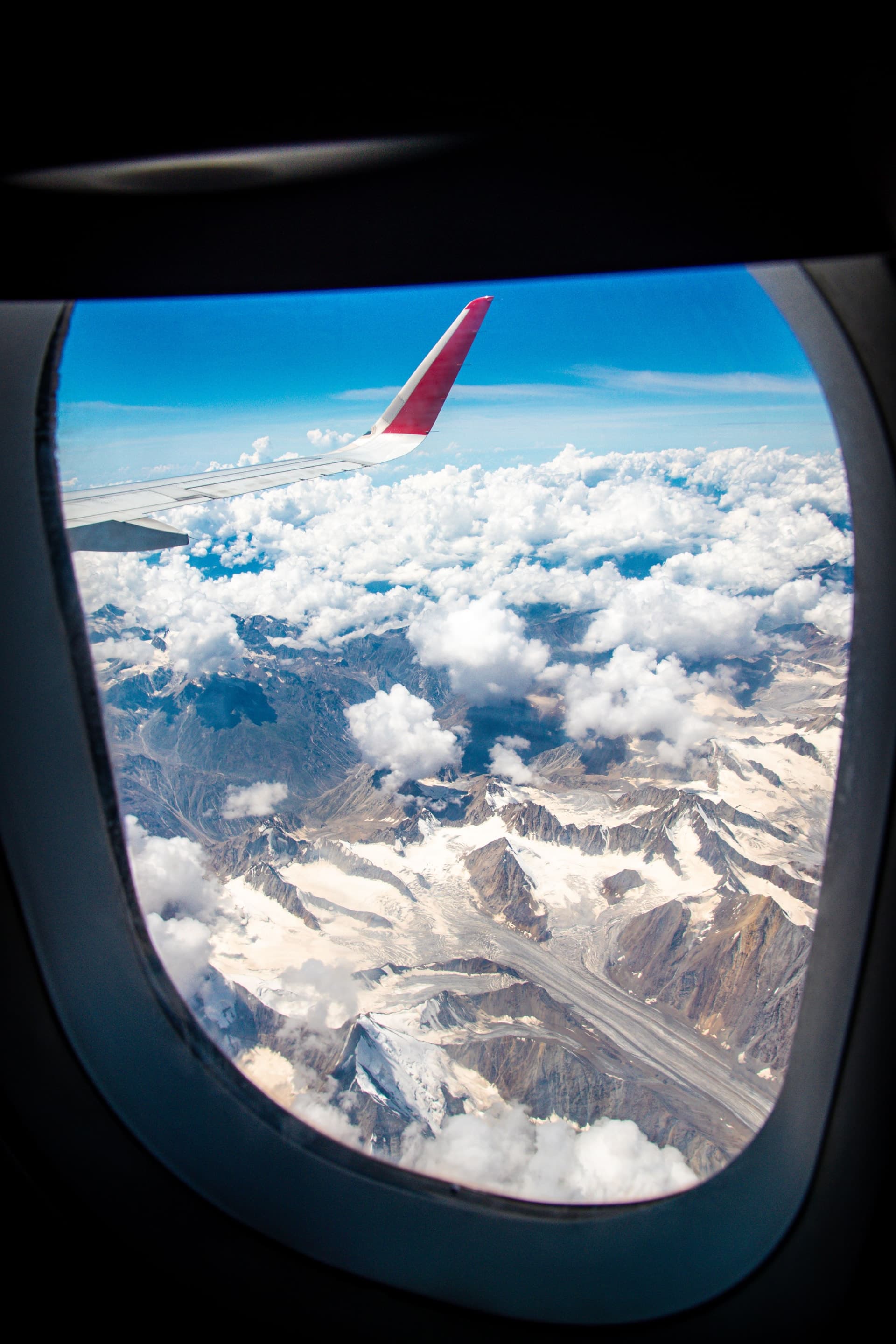
Ladakh Travel Guide: Everything You Need to Know Before You Go
Two trips to Ladakh. The first in 2016, self-driven, arriving via the Srinagar highway through Drass and Kargil. The second in August 2024 — the full story is in the Ladakh travelogue — hired car, a flight cancellation, a flood in Jaipur, and the wrong kind of afternoon thermals over the Leh valley. Between the two, this region has given me enough wrong turns and corrected assumptions to make this guide worth writing.
When to Go
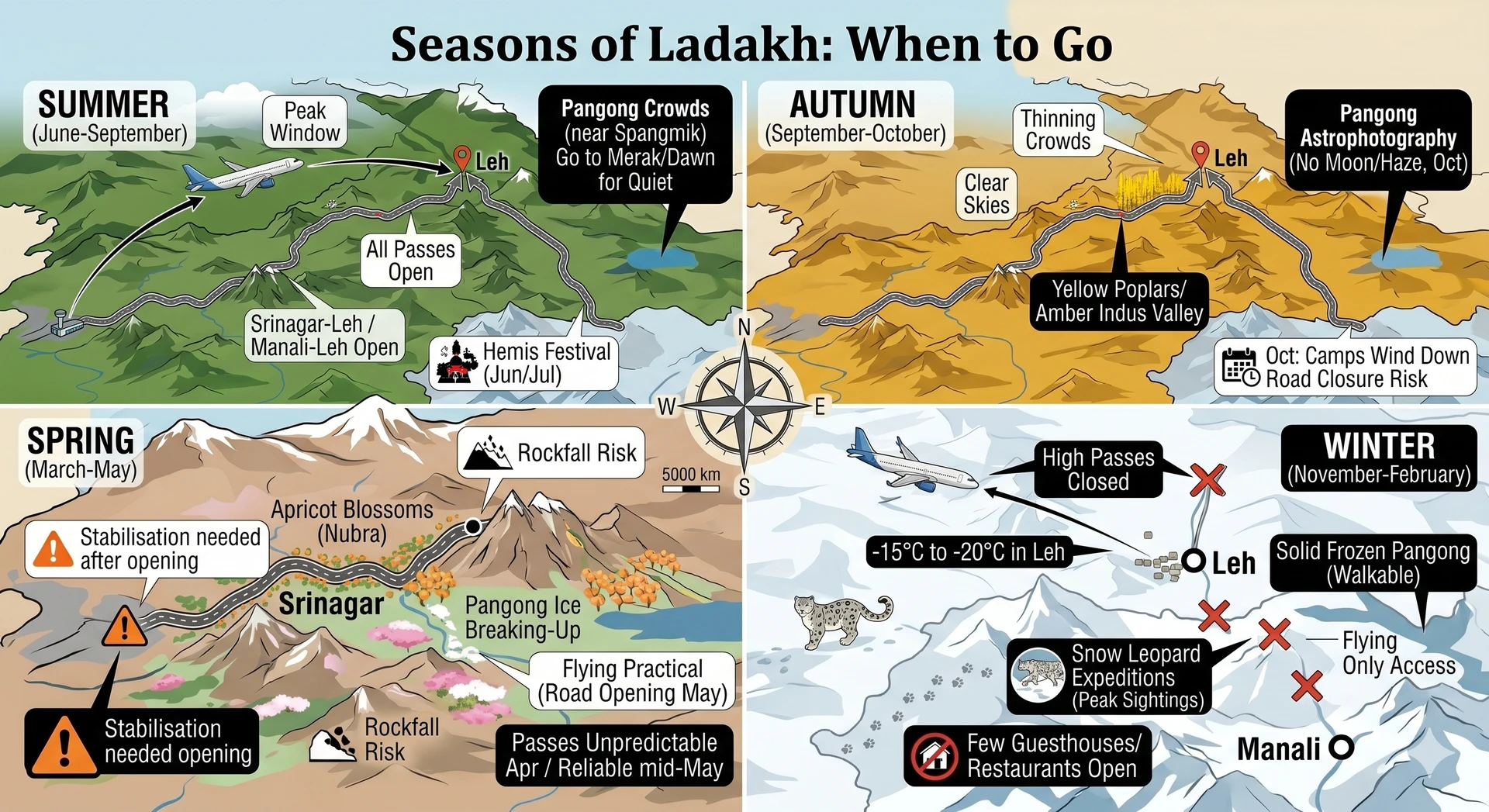
Every season in Ladakh is genuinely different from the others — not in the way "shoulder season" is different from peak in most Indian destinations, but structurally, visually, and logistically different. The season you choose should be deliberate.
Summer — June to September
The peak window, and the one most people choose for good reason. All road passes are open, every sector is accessible, and the days run from 5am light to 8pm dark. Temperatures in Leh sit between 15°C and 25°C through the day, dropping to 5–10°C at night — pleasant in town, considerably colder at the passes. At Khardung La in August, you'll want a down jacket regardless of what the Leh afternoon felt like.
August is what we'd recommend for a first visit. The monsoon affects the rest of India but Ladakh sits in a rain shadow — you'll see dramatic clouds and the occasional brief shower, but nothing that shuts down itineraries. The passes are at their most reliable. The Hemis Festival — masked dances, monks, one of the oldest monasteries in the region — falls in June or July, depending on the Tibetan lunar calendar; if the dates align when you're planning, build around it.
The honest caveat on August: Pangong's south bank near Spangmik gets crowded. The spot made famous by a Bollywood film has brought coaches and selfie sticks. Go to the Merak end of the lake instead, or arrive at dawn when none of that is visible yet.
Autumn — September to October
The season that serious visitors come back for. Crowds thin sharply from mid-September, the post-monsoon air scrubs the sky to a clarity that makes photography almost too easy, and the landscape starts doing things summer doesn't. The poplars in Nubra turn yellow. The Indus valley picks up amber tones. Astrophotography at Pangong in October — no moon, no haze, no other tourists — is as good as it gets anywhere in India.
Both the Srinagar-Leh and Manali-Leh highways are still open through October, though conditions become less predictable toward the end of the month. Some of the more remote tented camps at Pangong and Tso Moriri start winding down in mid-October; confirm before booking. Nights are cold — properly cold, single digits at Leh, below zero at the lake — so pack for it.
Spring — March to May
Cold, quiet, and visually surprising in ways that summer isn't. April and May are when Ladakh does something it keeps secret from most visitors: the apricot orchards in Nubra Valley bloom white and pink against bare brown mountains, with snow still heavy on the Karakoram peaks behind them. The contrast is absurd. Pangong and Tso Moriri begin breaking up from solid ice, patches of deep blue opening through white — if you catch the right week in April, the lake looks like something from another planet.
The access restrictions matter here. The Srinagar-Leh highway typically opens between late March and mid-April, but the opening date is just the starting point — give it two to three weeks before driving it yourself, because early-season roads need time to stabilise from snowmelt and fresh rockfall is common. The Manali-Leh highway via Rohtang doesn't open until June. Flying is the practical option for most of spring. The mountain passes to Nubra and Pangong can still be unpredictable in April; May is safer for those circuits and most years the passes are clear and reliable by mid-May.
Winter — November to February
Not for everyone. Not even for most people. But if you know what you're going to, winter Ladakh is its own category of experience.
Temperatures in Leh drop to -15°C to -20°C. The passes close. The Manali and Srinagar highways shut down. Flying is the only way in or out, and connectivity within Ladakh becomes limited to whatever roads remain open near town. Most guesthouses and restaurants close. The infrastructure thins to almost nothing in the outer regions.
What winter gives you: Pangong Tso freezes solid — not a thin skin of ice but metres-thick, walkable, a flat white expanse with the surrounding mountains reflected in the surface on clear days. Tso Moriri freezes. The Zanskar river freezes into the Chadar — a natural ice corridor that, in January and February, becomes one of India's more demanding multi-day treks, walking a frozen river through a gorge that's inaccessible any other time of year. Snow leopard sightings in and around Hemis National Park peak in winter, when snow pushes the bharal (blue sheep) to lower elevations and the leopards follow. Specialist operators run snow leopard expeditions out of Leh in January and February with reasonable sighting rates.
If you're going in winter, plan through an experienced operator. Improvising in Ladakh in February is not a reasonable approach.
Getting to Leh
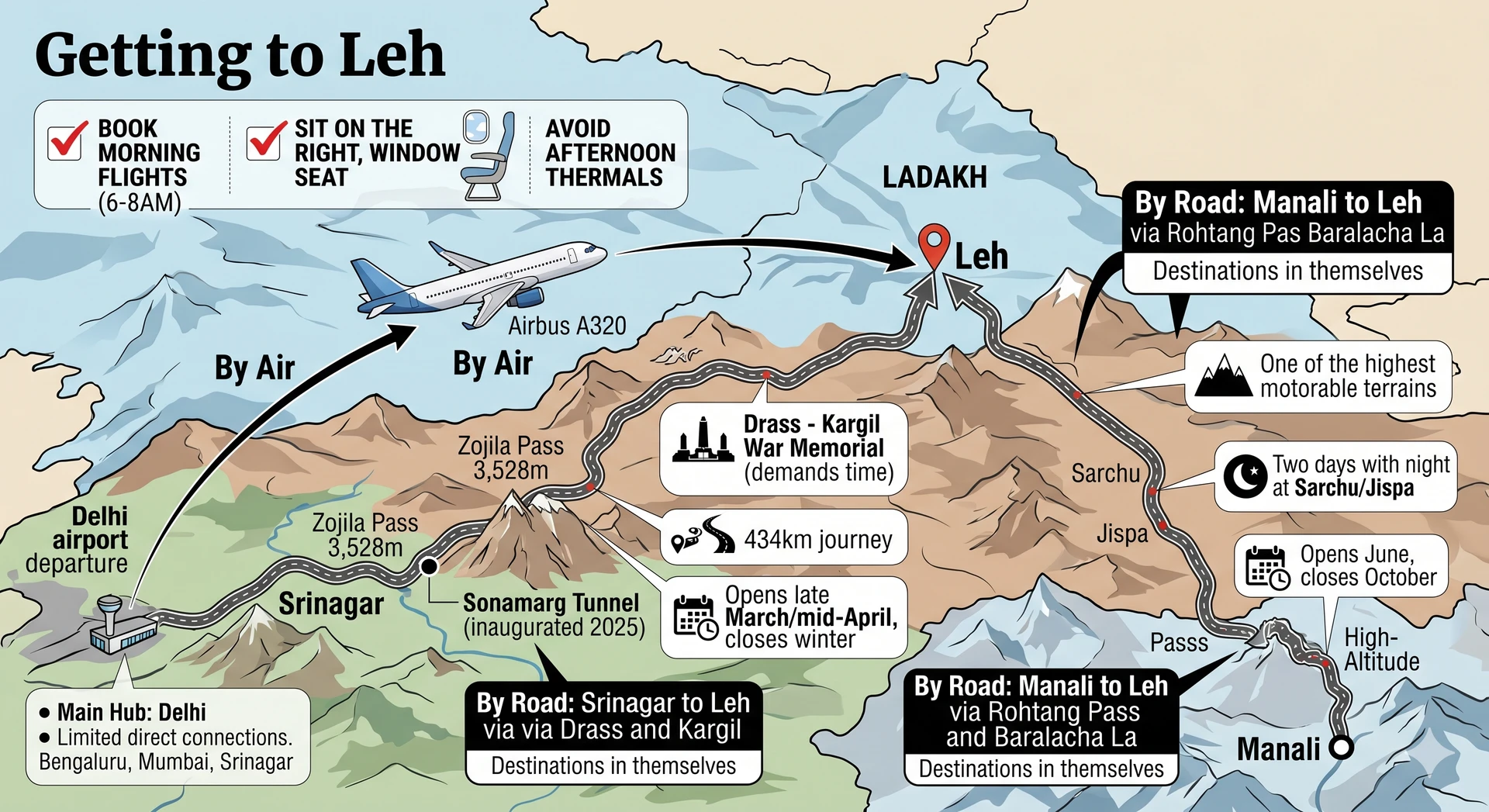
By air is how most people arrive and for most trips it's the right call. Flights connect Delhi to Kushok Bakula Rimpochee Airport in Leh — this is the main hub. Some direct connections from Bengaluru, Mumbai, and Srinagar exist but are limited; routing through Delhi gives you more options and more reliability.
Book the morning flight from Delhi. This is the most important logistical tip in this entire guide. Afternoon thermals build in the Leh valley through the day, making landings unpredictable. Morning departure slots — typically 6–8am from Delhi — have a significantly better record of actually getting through. We booked an afternoon flight in August 2024 and watched it get cancelled before we'd left Delhi. The detour took two days and involved a flood. Book mornings.
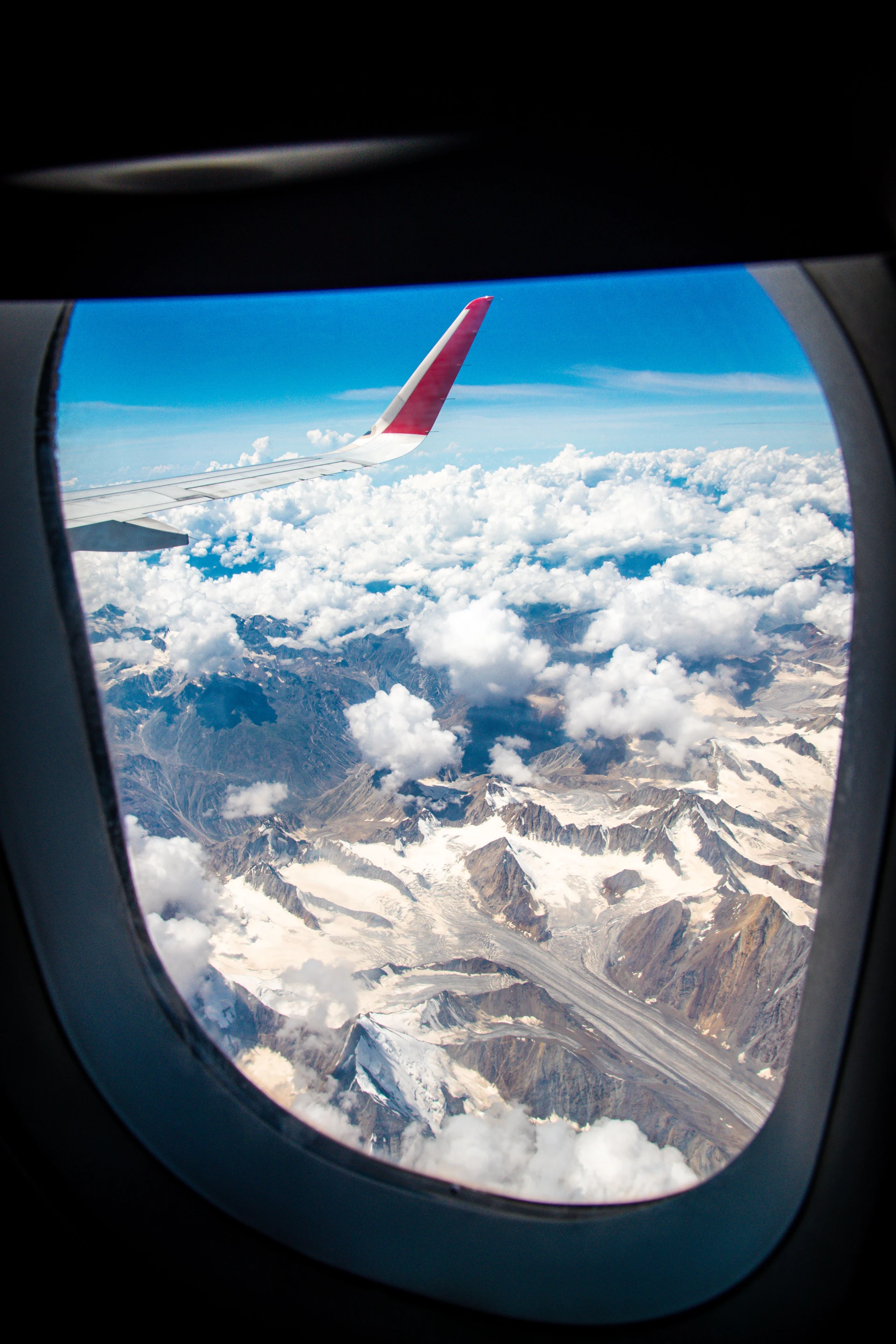
One more thing about the flight: sit on the right side of the aircraft, window seat. The approach into Leh from the right-side window shows you the Himalayan ridgeline opening up for forty minutes before you land — ridge after ridge, each one higher, increasingly bare and vertical, until the valley floor appears and you understand where you're going. Both times I've done this approach I've pressed my face against the glass like I'd never seen a mountain before. It's worth the seat selection.
By road — Srinagar to Leh via Drass and Kargil
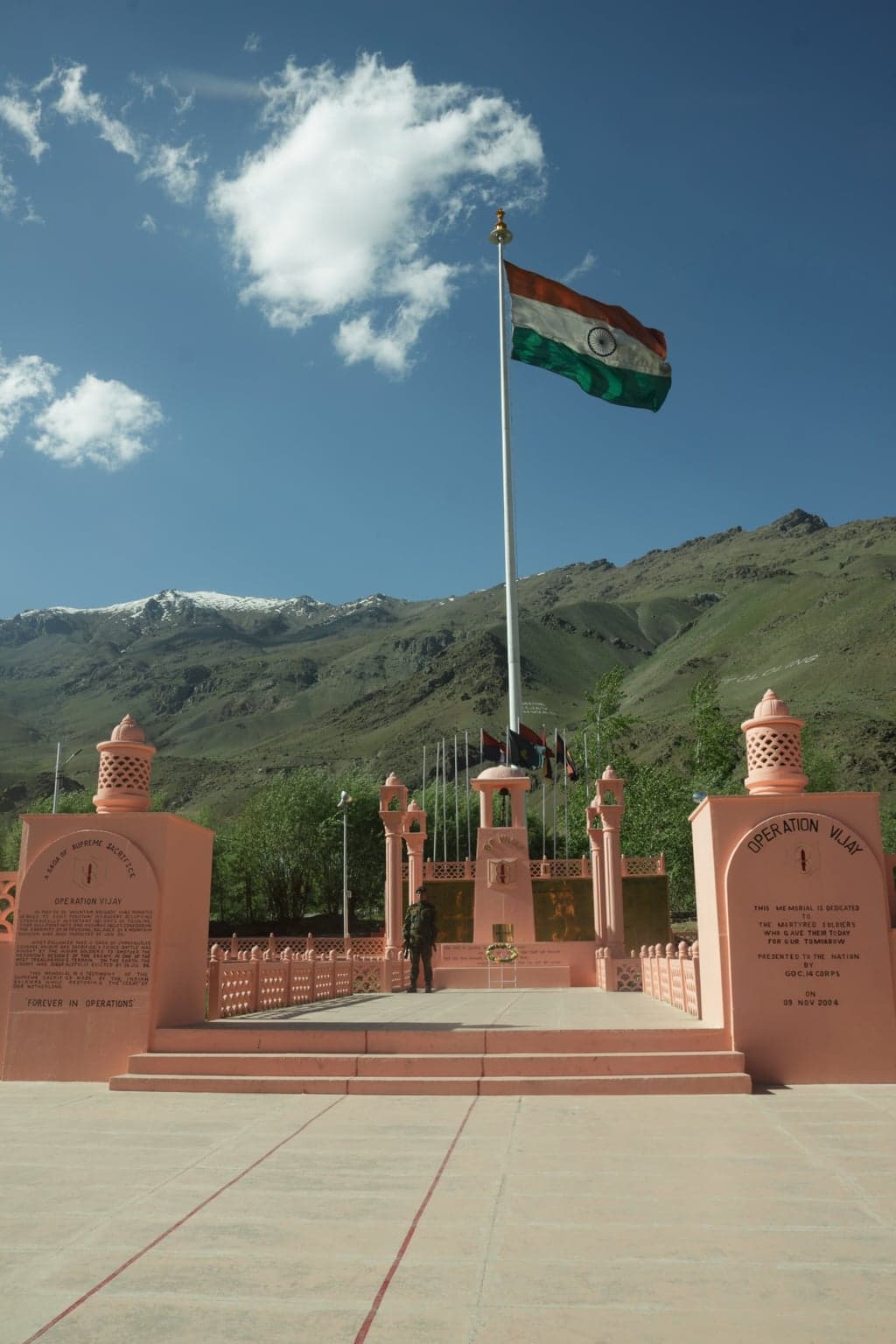
The 434km Srinagar-Leh highway is one of India's genuinely great road journeys and if you have the time it deserves its own trip rather than being treated as a practical commute. The route crosses Zojila Pass (3,528m — modest by Ladakh standards, but the gateway from Kashmir into the high altitude), passes through Drass — one of the coldest inhabited places in India, and site of the 1999 Kargil War — and then runs through the wide Kargil valley before the final 200km push to Leh.
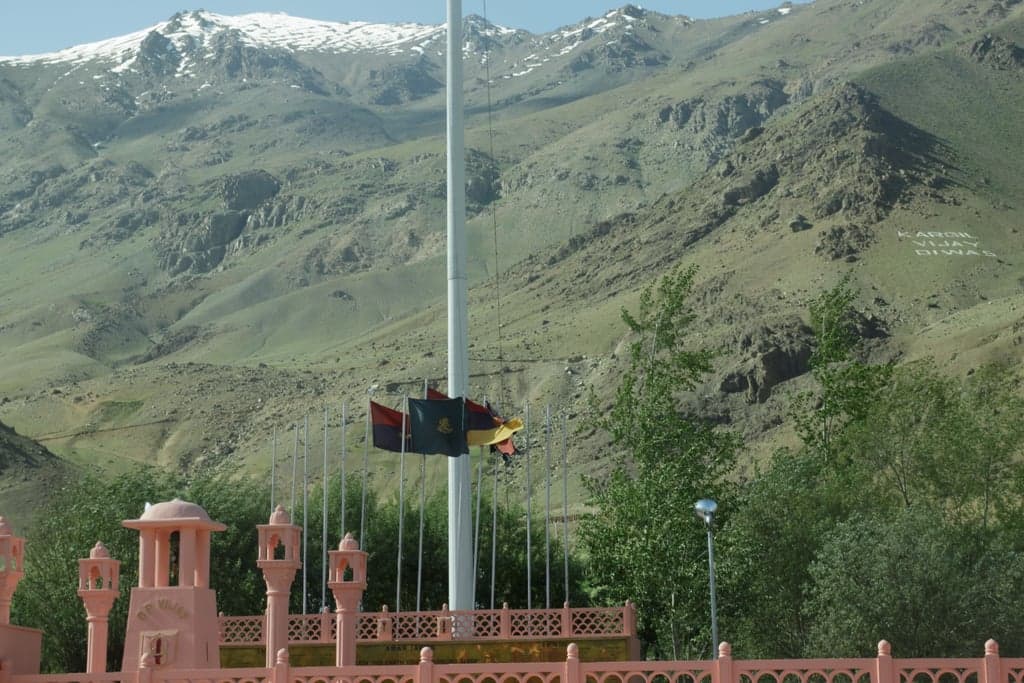
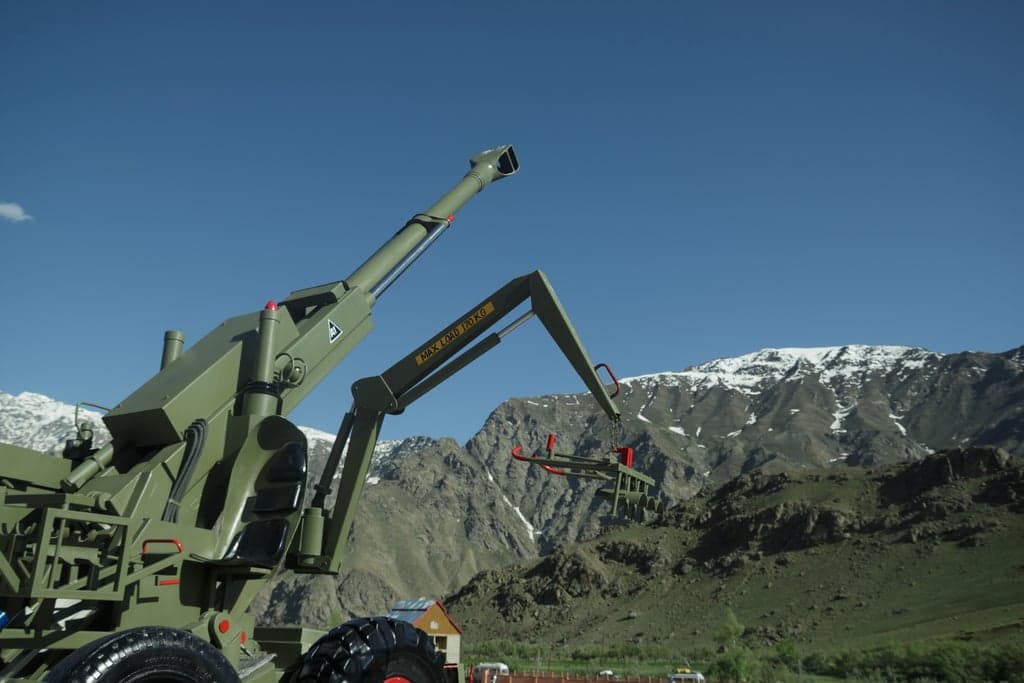
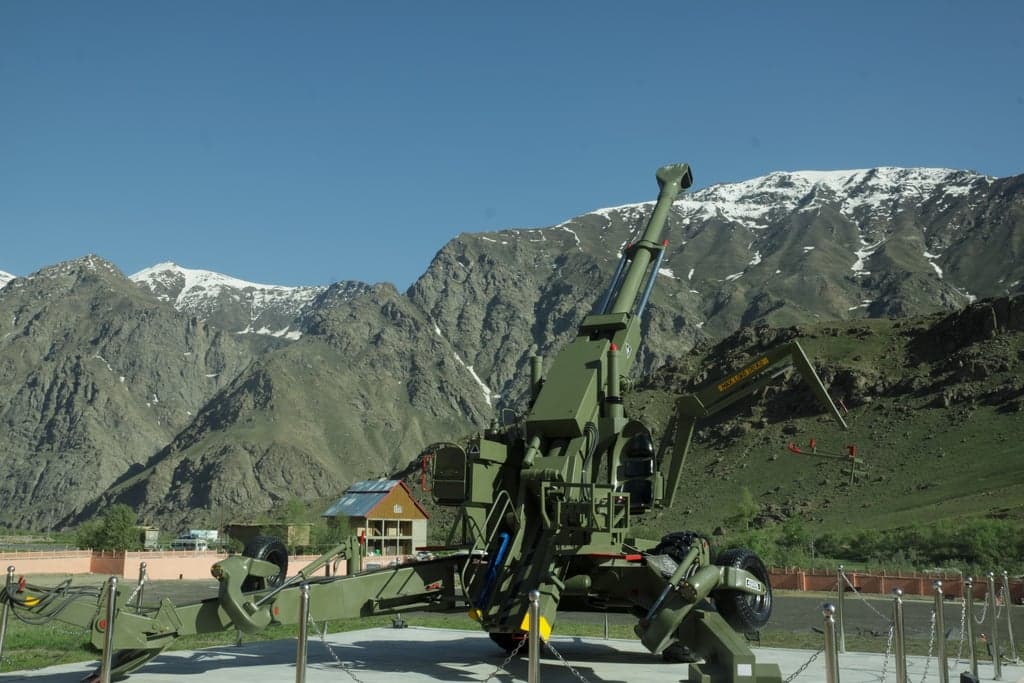
At Drass, the Kargil War Memorial demands more than a quick stop. This is not optional tourism — if you're on this road, give it time. The mountain positions, the distances involved, what happened here — the memorial makes it real in a way that a Wikipedia page doesn't.
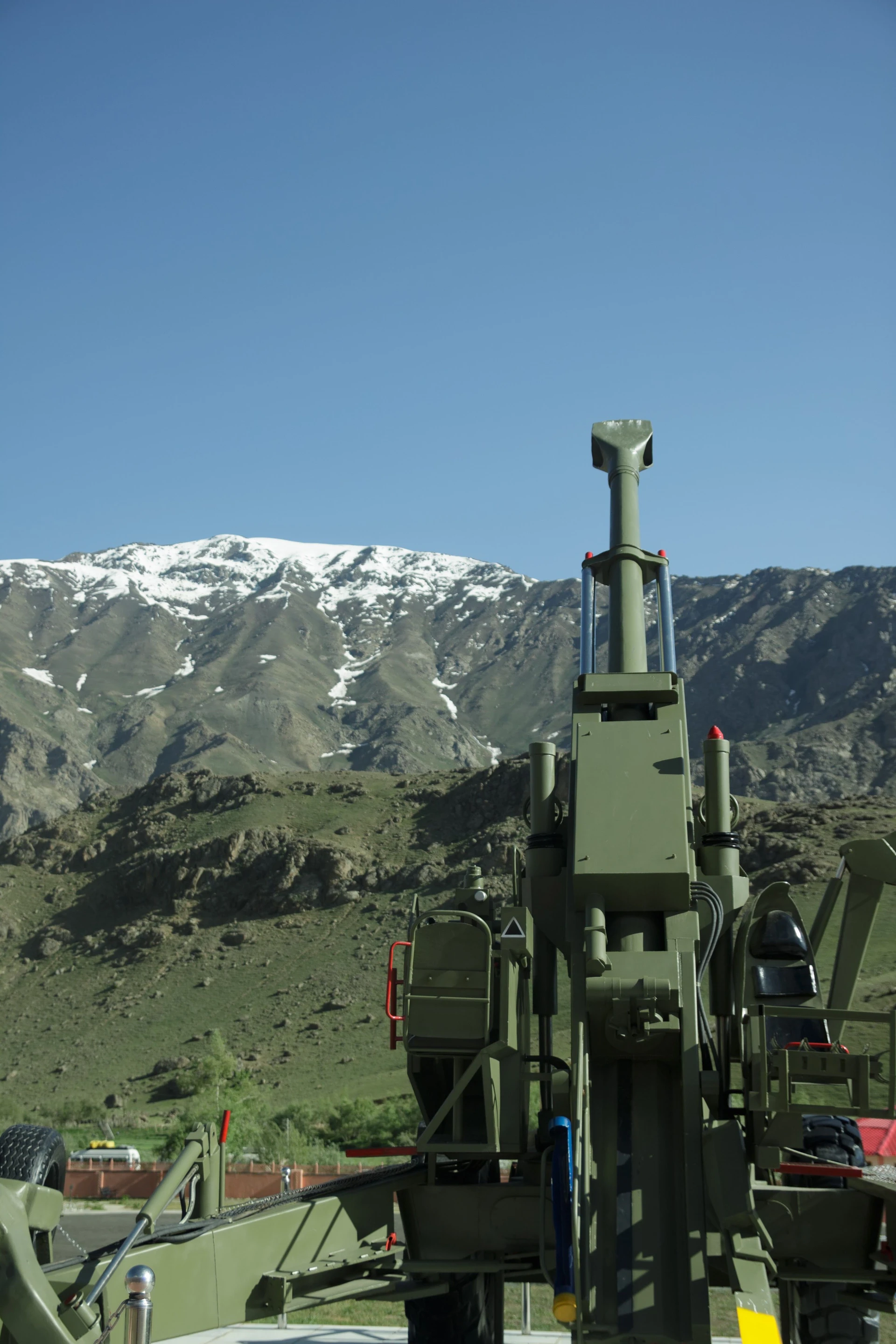
The highway typically opens between late March and mid-April and closes again in winter with heavy snowfall at Zojila. In 2025 the Sonamarg Tunnel (Z-Morh Tunnel) was inaugurated, which keeps the Srinagar–Sonamarg section open through winter — the full highway to Leh still closes at Zojila, but the access situation is improving gradually.
By road — Manali to Leh
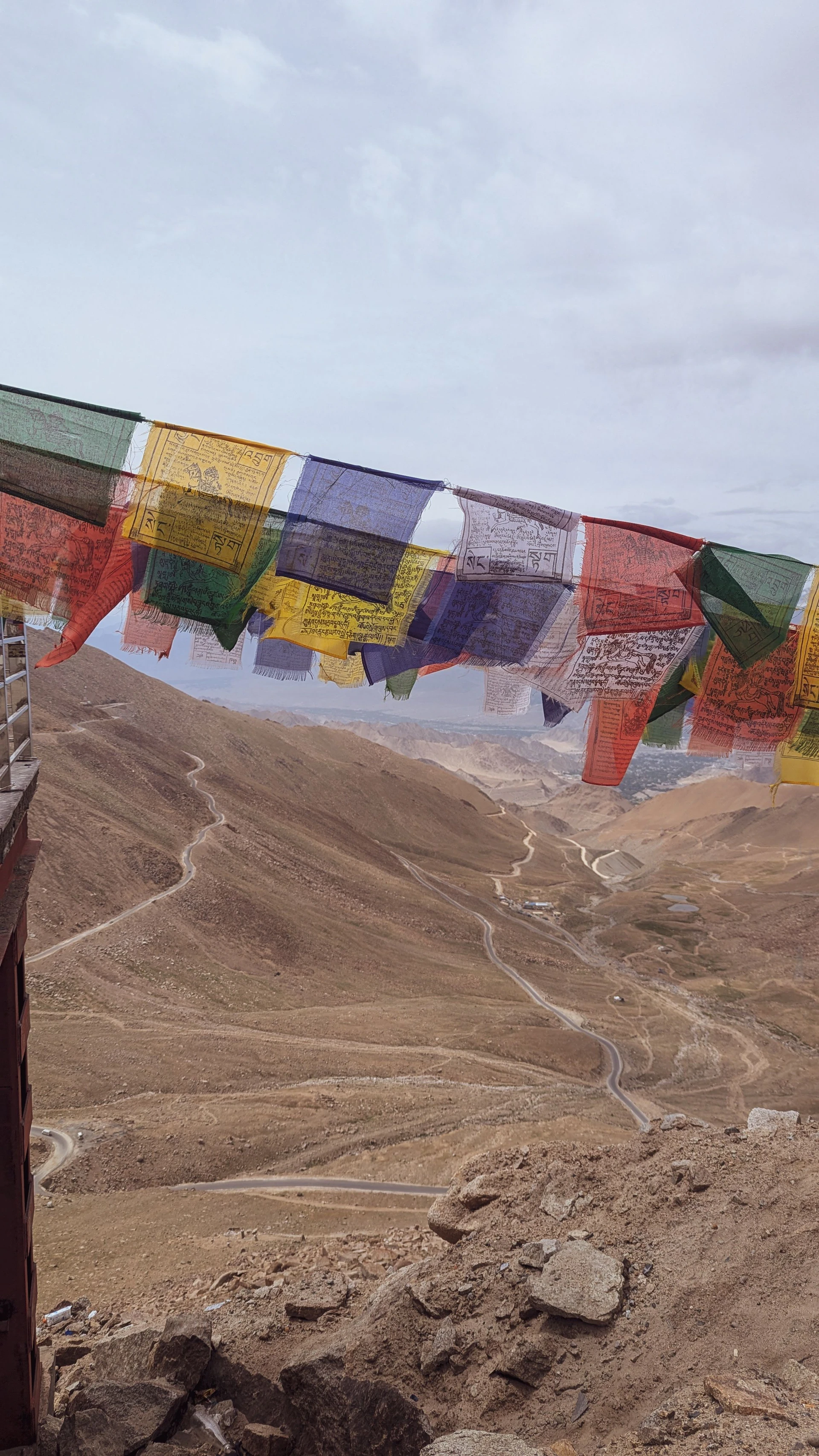
Via Rohtang Pass and Baralacha La, through some of the highest motorable terrain in the world. Opens in June, closes in October. Two days with a night at Sarchu or Jispa on the Himachal side. The passes are spectacular but this route is more a destination in itself than a practical commute — do it because you want to drive it, not because you need to get to Leh.
Sectors and What They Require
Ladakh is not one place. It's a set of geographically distinct sectors, each with its own access route, permit requirements, landscape, and character. The most useful mental model: Leh is the hub and everything radiates from it. Which spokes you travel changes the logistics significantly.
Leh City and the Indus Valley — Hemis Sector
The base and, for many visitors, the surprise. The Indus valley east of Leh has some of the region's most impressive monasteries strung along it at intervals — Shey, Stakna, Thiksey, and then Hemis about 40km out. Thiksey is the one that gets compared to Potala Palace in Lhasa; it earns the comparison, rising in tiers above the valley floor with the Indus and the fields below it. Hemis is larger, more elaborate, and the site of the Hemis Festival. Between them, Stakna sits on a crag above the Indus and is quieter and less visited than either.
The Stok Palace museum, across the river from Leh, covers the royal history of Ladakh through the Namgyal dynasty — worth an hour if that thread interests you. No permit required for anything in this sector.
Sham — West Ladakh
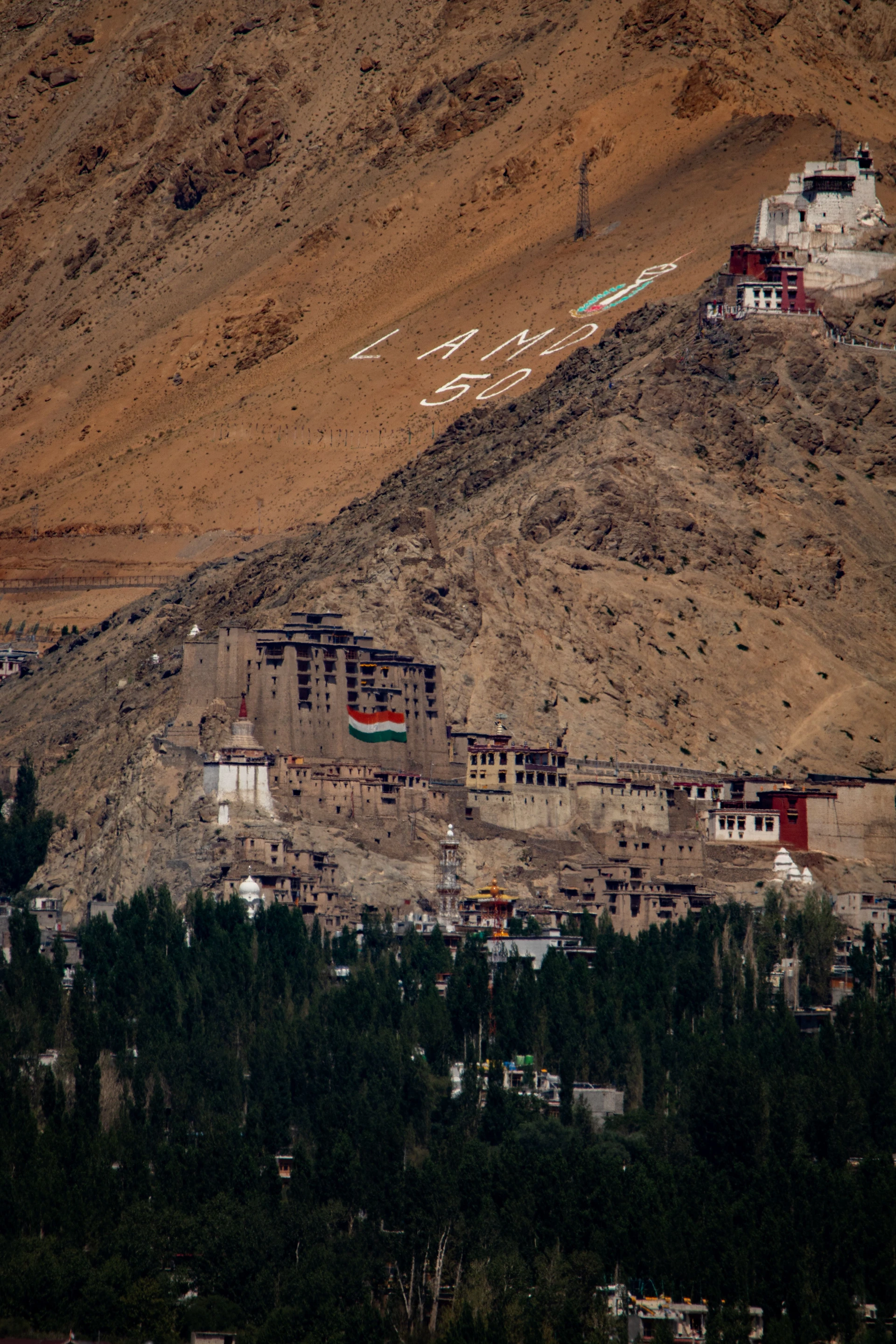
The western corridor along the Srinagar highway, called Sham in Ladakhi — literally "west." This is the part of Ladakh most people drive through on arrival from Srinagar and don't stop to look at properly.
Lamayuru monastery, about 125km west of Leh, sits on a landscape of eroded pale earth that looks like a moonscape — the surrounding terrain has a quality unlike anywhere else in Ladakh, as if the mountains here are dissolving. The monastery itself is among the oldest in the region. Alchi, closer to Leh, has 1,000-year-old murals that are extraordinary in their detail and state of preservation — painted in a period when Ladakh was on a major trans-Himalayan trade and cultural route. Likir, Basgo, and Rizong are quieter and less photographed.
The Sangam viewpoint is where the Zanskar river meets the Indus — two different colours of water merging, one silty brown, one clear blue-green, the division visible for some distance downstream. It's the kind of geographical fact that's more surprising in person than it sounds in description. Gurdwara Pathar Sahib, a few kilometres before Leh on the Srinagar road, is a Sikh temple built around a stone with a particular significance in Sikh tradition. Magnetic Hill is an optical illusion caused by the surrounding gradient — vehicles appear to roll uphill against gravity. The explanation is correct and completely fails to make it less disorienting when you're sitting in a stationary car watching it happen.
If you have an extra day and any interest in ethnography, the Dha-Hanu valley requires a detour north from the Srinagar highway and an Inner Line Permit. The Brokpa people here are an isolated community with pre-Buddhist traditions, dress, and customs distinct from the surrounding Ladakhi culture. It's a long way off the standard circuit and rewards going specifically for it rather than as a box-tick.
No permit required for most of Sham. Dha-Hanu requires ILP.
Nubra Valley (Inner Line Permit required)
North of Leh over Khardung La at 5,359 metres. The descent from the pass into Nubra is one of the trip's more disorienting moments — you've been climbing through increasingly lunar, brown, stripped-bare landscape for two hours, and then the valley opens below you and it's green. Poplars. A river. Fields. Villages. A landscape that looks nothing like what you just drove through.
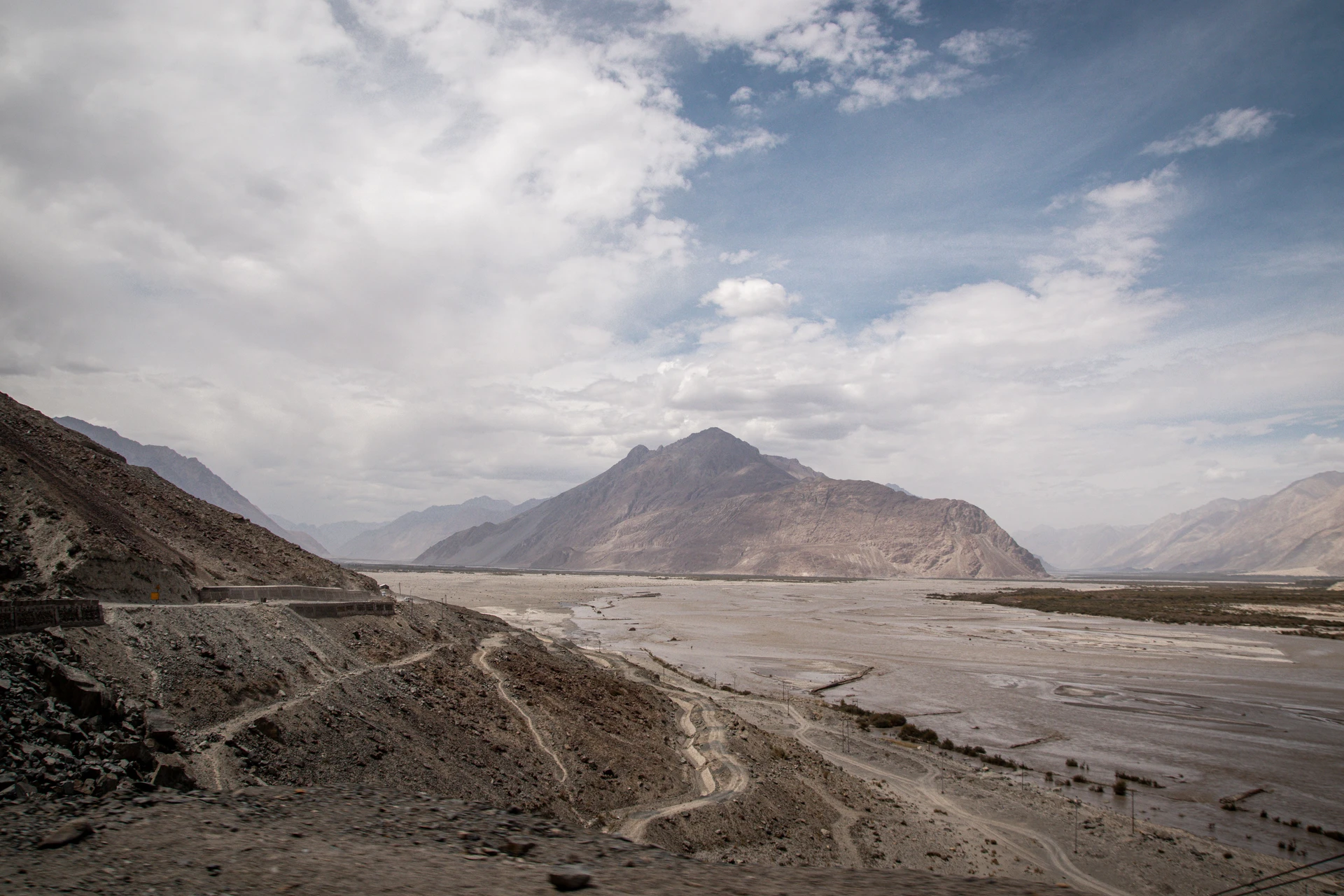
Diskit monastery sits on a mountainside above Diskit village with a 32-metre Maitreya Buddha statue visible from the road below. It's more dramatically sited than Hunder's sand dunes and less photographed — go here. Samstanling monastery in Sumur is quieter still, worth the stop if you have the time.
The sand dunes at Hunder are the image most people associate with Nubra: Bactrian camels — two-humped, prehistoric-looking — against dunes with snow peaks behind them. It's one of the stranger things you'll encounter in India and the strangeness doesn't diminish on second viewing.
Turtuk, 90km further north, is a Muslim village close to the Line of Control with Pakistan, opened to civilian tourists only in 2010. It feels genuinely different from the Buddhist heartland of central Ladakh — the architecture, the food, the culture, the language. Worth the two-hour extension if you have a third night in Nubra.
Accessible June to October.
Pangong and Changthang (Inner Line Permit required)
East from Leh via Chang La at 5,360 metres, or directly from Nubra via the Shyok valley — the route we used in 2024, which bypasses Leh entirely and is significantly more remote.
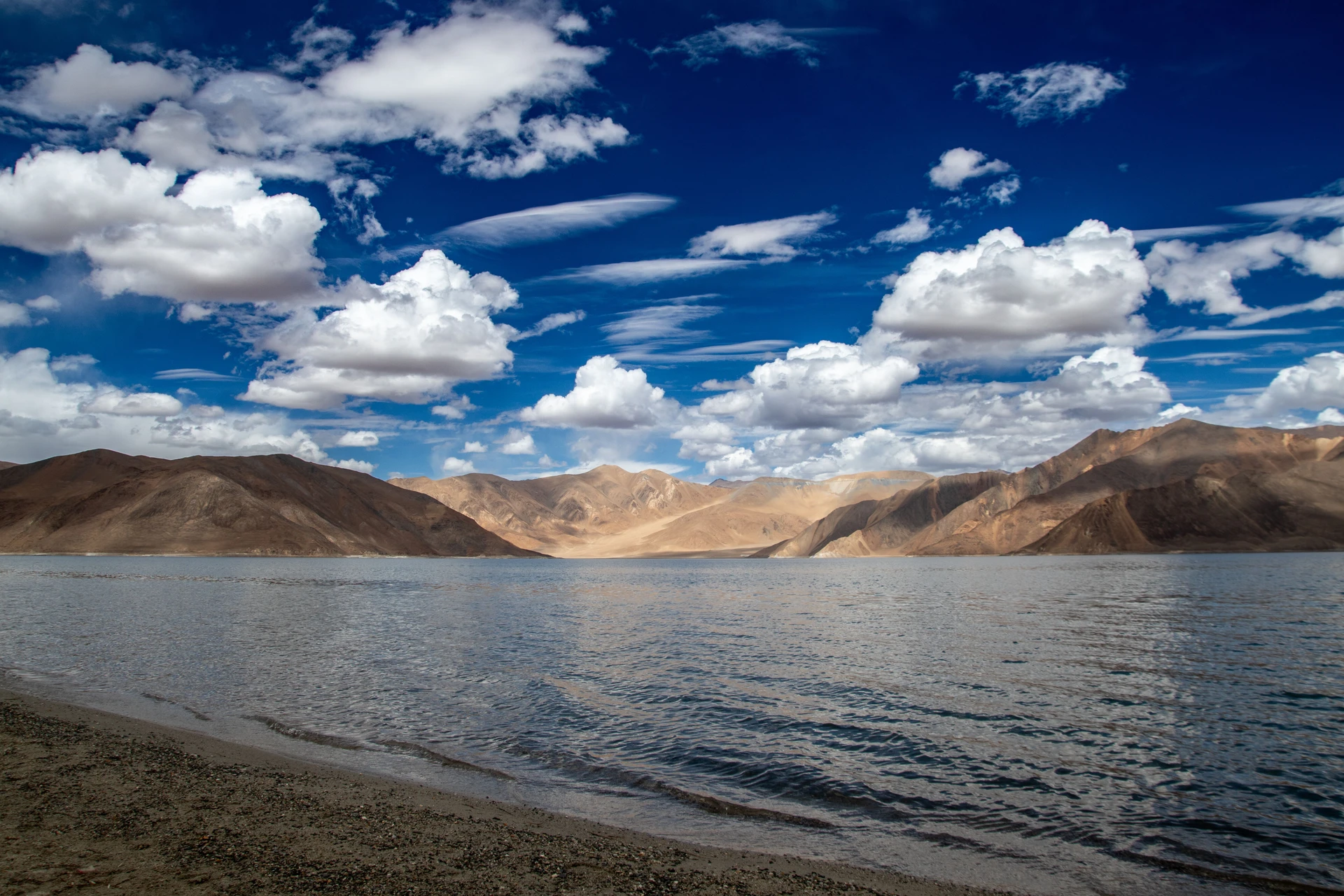
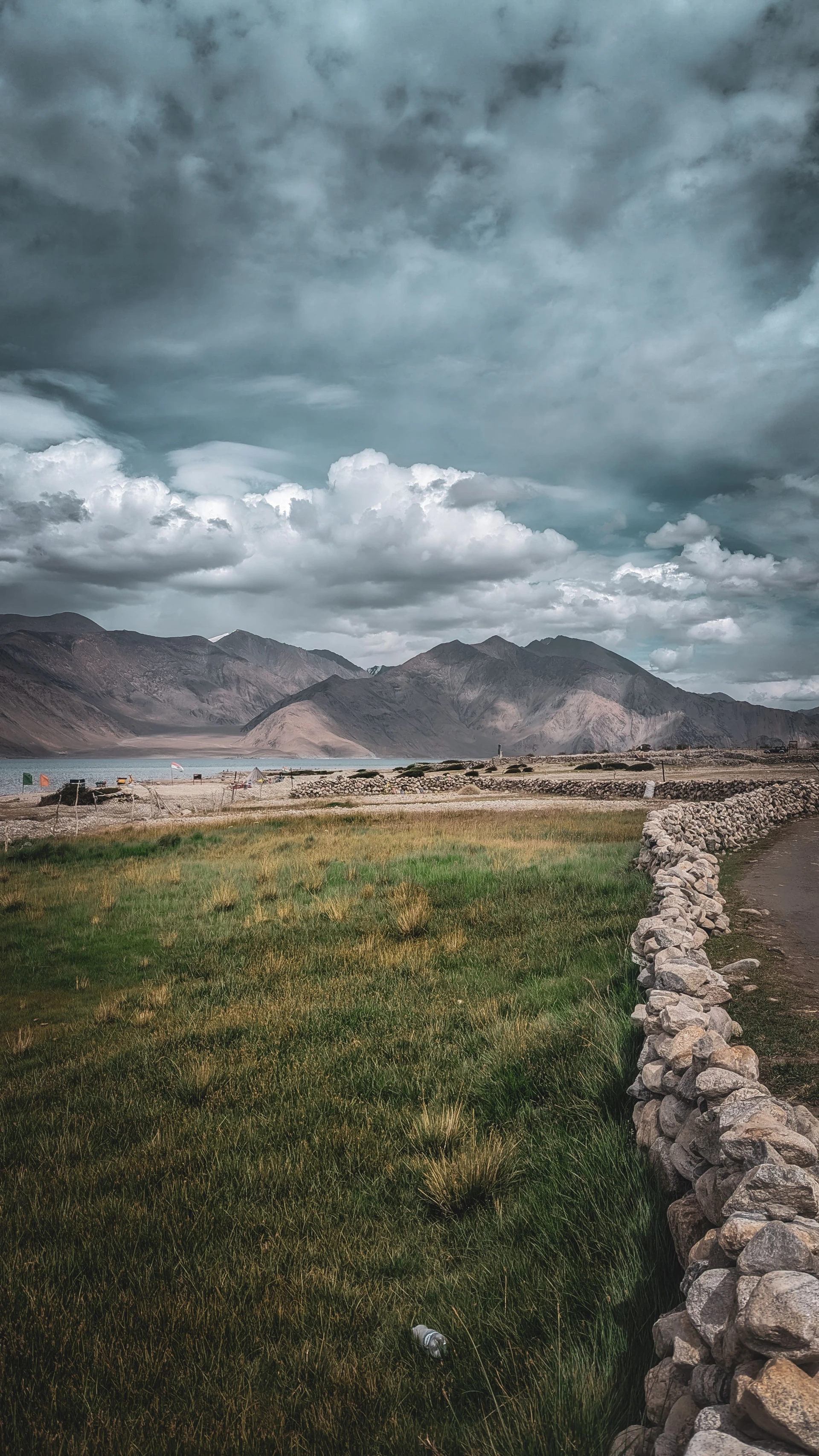
Pangong Tso is 134km long, stretching east into Tibet, at an elevation of about 4,350 metres. The images you've seen are accurate — the lake is that shade of blue, it does extend that far. What the images don't capture is the scale (you can't see the far end from the near shore) or the way the colour shifts through the day as the light angle changes, or the way the mountains around it reflect differently morning versus afternoon. Arrive in the afternoon; stay for the morning; leave only reluctantly.
The south bank road runs east from Spangmik — the most visited section — through Man and toward Merak. The further east you go the fewer people you'll encounter and the more dramatic the landscape becomes. Stay at the Merak end if you can.
From Pangong, a rough road south over Tsaga La connects to Tso Moriri for those doing the full southern extension.
Accessible June to October by road.
Tso Moriri and Tso Kar (Inner Line Permit required)
The southern circuit, and the one that serious Ladakh visitors tend to prioritise on a second trip. Tso Moriri is around 4,500 metres in altitude, larger in surface area than Pangong, almost entirely undeveloped, and very quiet. Korzok village on its north bank has a handful of guesthouses and a small monastery. That's it. There are no camps lined up along the south bank selling Maggi noodles. The lake feels like it belongs to the plateau in a way that Pangong increasingly doesn't.
Tso Kar, on the way south from Leh or between Pangong and Tso Moriri, is a salt lake on the Changthang plateau that wildlife concentrates around. Bar-headed geese — the ones that migrate over Everest — nest here. Black-necked cranes. Kiang (Tibetan wild ass). The occasional wolf. In winter, snow leopards move through the area. If wildlife is part of your reason for being in Ladakh, Tso Kar is where you spend time.
The Tsaga La route from Pangong to Tso Moriri is rough and remote enough that it requires planning rather than improvisation — discuss the road condition with your car operator before committing to it.
Western Ladakh — Kargil, Zanskar
Along the Srinagar-Leh highway. Kargil as a base for the Suru valley and the Zanskar approach. Zanskar itself — a side valley accessible from Kargil — is a separate undertaking from the standard Ladakh circuit: deeper, more remote, a longer commitment. Lamayuru and Alchi (Sham sector) sit between Kargil and Leh and can be covered on the drive in or out. This sector is best treated as its own trip, or as the bookend if you're arriving by road from Srinagar.
Inner Line Permits
Nubra Valley, Pangong/Changthang, Dha-Hanu, and Tso Moriri all require Inner Line Permits for Indian nationals. The application is straightforward — online through the Ladakh tourism portal, or in person at the DC office in Leh, usually processed within a few hours of arrival. Your car operator will know the current process and can point you toward the right office or link. Cost is nominal.
Do not arrive at a sector checkpoint without one. The checkpoints are staffed and they check. Being turned back 40km from Pangong is a miserable experience that several people we encountered had recently had.
Getting Around: The Rules You Actually Need to Know
Ladakh is a road trip. There is no other way to see the sectors that matter — they're separated by passes that require dedicated days, and the driving is half the experience. But how you travel beyond Leh is constrained in ways that aren't obvious and catch people out.
Hiring a car: hire locally, in Leh. An Innova Crysta is the right vehicle — high enough off the ground for the rough sections, comfortable enough for five-hour mountain days, large enough that when altitude is making everyone feel slow and quiet there's room to spread out. Negotiate the full circuit, the fuel policy, and what happens if a pass closes before you start. We booked through lehladakhtaxis.com for the 2024 trip — not the cheapest option, but the communication and logistics were reliable, which matters when you're coordinating a multi-day circuit from another city. Worth the premium.
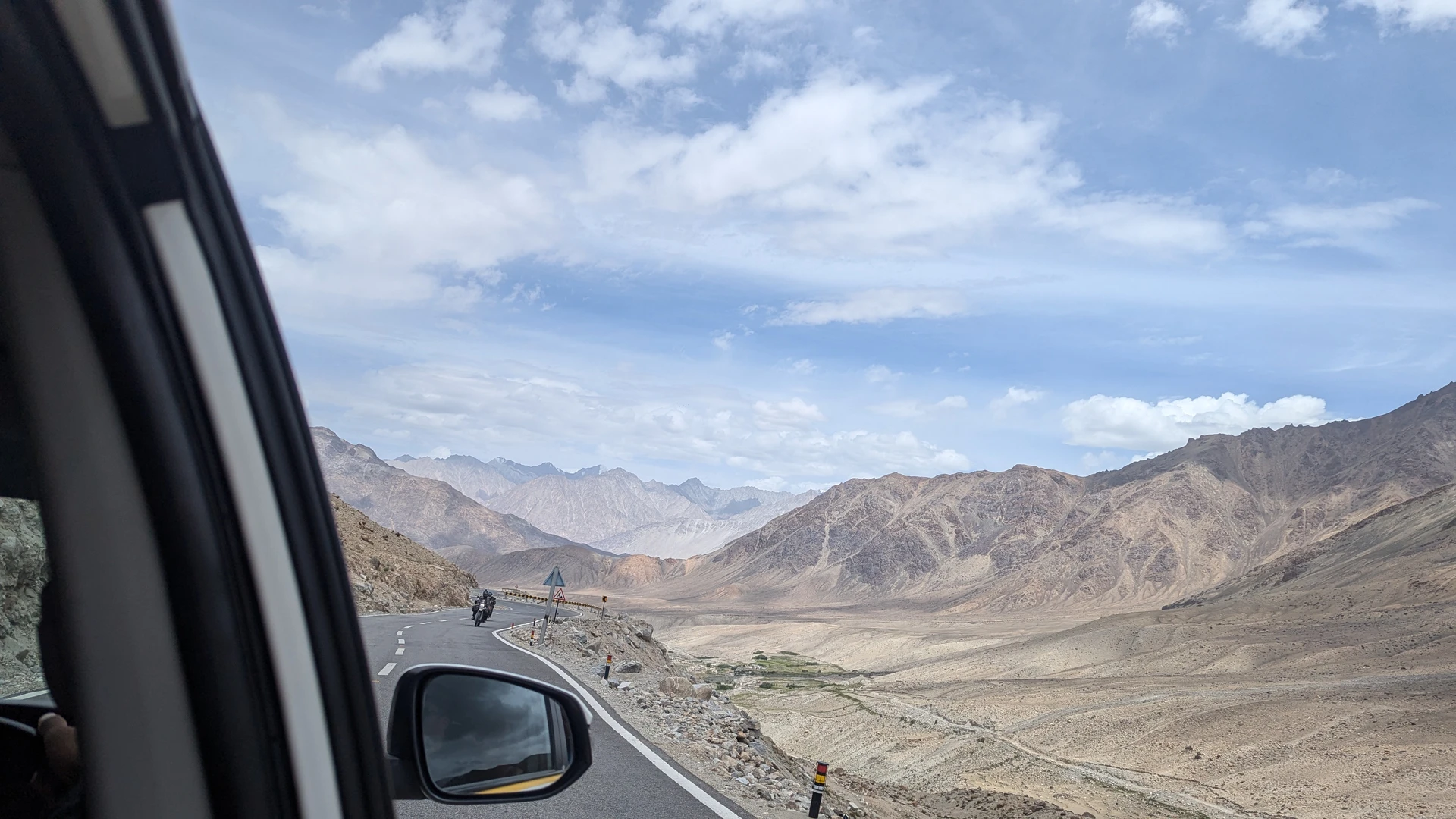
The self-drive rule: this is where most first-timers get confused. Rental cars — black-number-plate commercial vehicles hired from Delhi, Manali, Srinagar, or anywhere outside Leh — can be driven to Leh but not beyond it for sightseeing. The moment you want to go to Nubra, Pangong, or Tso Moriri, that outside-hired car stays parked at your hotel and you hire a local vehicle. This is not a government law — it's enforced by the Leh taxi union at checkpoints — but the practical effect is identical.
Your own private car with a white number plate, registered in your name, your spouse's, or your parent's name, can go everywhere. The taxi union's issue is with commercially rented vehicles, not genuinely private ones. If you bring your own car, carry the RC, your driving licence, and if the car is a family member's who isn't travelling with you, a notarised NOC from the owner. Yellow-plate vehicles are not allowed at Pangong at all.
Local motorcycle rentals from Leh can go anywhere. Bikes rented from outside Ladakh face the same restriction as cars — Leh only.
If you want to self-drive Ladakh properly, the right approach is either to bring your own registered vehicle from home, or to arrive by road (Srinagar or Manali) and hire locally immediately on arrival before heading anywhere.
Acclimatisation and Altitude Sickness
Leh is at 3,500 metres. Khardung La is at 5,359 metres. Pangong is at 4,350 metres. Chang La is at 5,360 metres. Tso Moriri is at 4,500 metres. These numbers are real and your body will notice them regardless of your fitness level, age, or previous high-altitude experience.
Acute Mountain Sickness is not a dramatic event in most cases — it's a headache that starts behind your eyes, a low-grade nausea, a fatigue that's disproportionate to what you've actually done. It's easy to misread as travel tiredness or dehydration. On our 2024 trip, Megha had it properly by Day 4 — the Nubra drive — and I had a milder version. Both of us are reasonably fit and neither of us had had trouble at altitude before. It doesn't work on a formula.
The protocol is simple and non-negotiable: spend your first day in Leh doing nothing. Land, check in, eat lightly, drink water, sleep early. No sightseeing. No monastery run. No market walk. Your body needs 18–24 hours to begin adjusting. The people who ignore this and go straight to Thiksey on Day 1 are the ones getting AMS on Day 3 at a pass.
If symptoms worsen — severe headache, vomiting, difficulty breathing, confusion — descend immediately. Even a few hundred metres makes a material difference. In serious cases, get to lower altitude first and worry about the itinerary later.
Diamox (acetazolamide) is worth discussing with your doctor before travelling. It doesn't prevent AMS but reduces severity in many people. Stay hydrated. Avoid alcohol for the first two days. Don't push through a bad feeling at a pass — the pass will be there again if you turn back.
Where to Stay
In Leh, for your first nights: a property outside the main town forces you to rest, which is what you should be doing. Ladakh Eco Resort in Spurka (Gangles area) is a good option — genuinely quiet, well-removed from the noise of the market. The isolation that feels inconvenient on paper is exactly right for the first 24 hours.
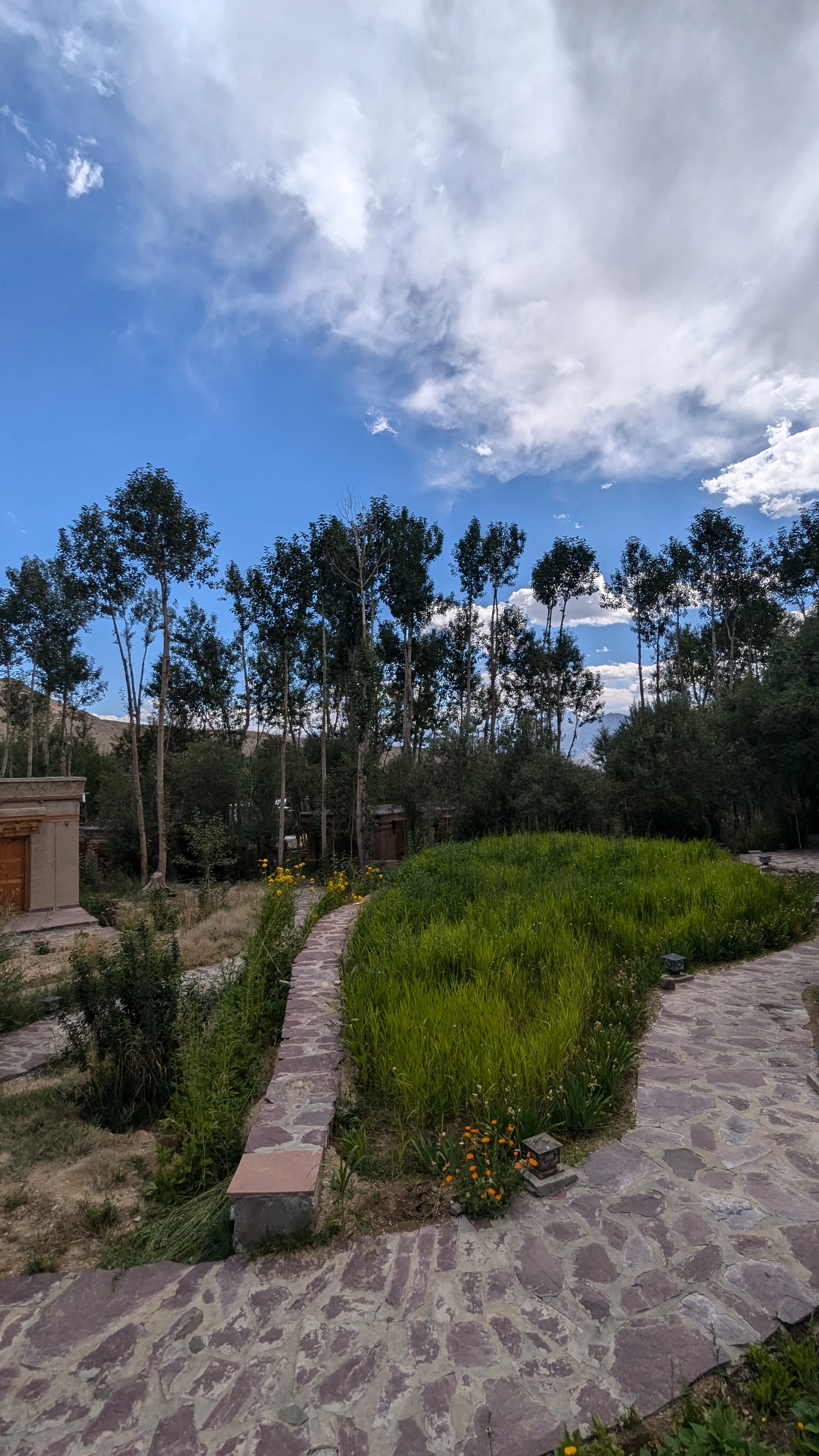
In Leh, for your last nights: Hotel Singge Palace on P. Namgyal Road — five minutes from the market on foot. The end of a Ladakh trip is for wandering, eating, and not thinking about passes. Be close to town for that. Book the remote property first, the town property last; it's the right sequence psychologically as well as practically.
In Nubra: Hunder is the standard base, Himalayan Eco Resort a solid option — poplars lining the approach road, short walk to the dunes. The tented camps near the dunes are atmospheric but cold; bring a proper sleeping layer regardless of season.
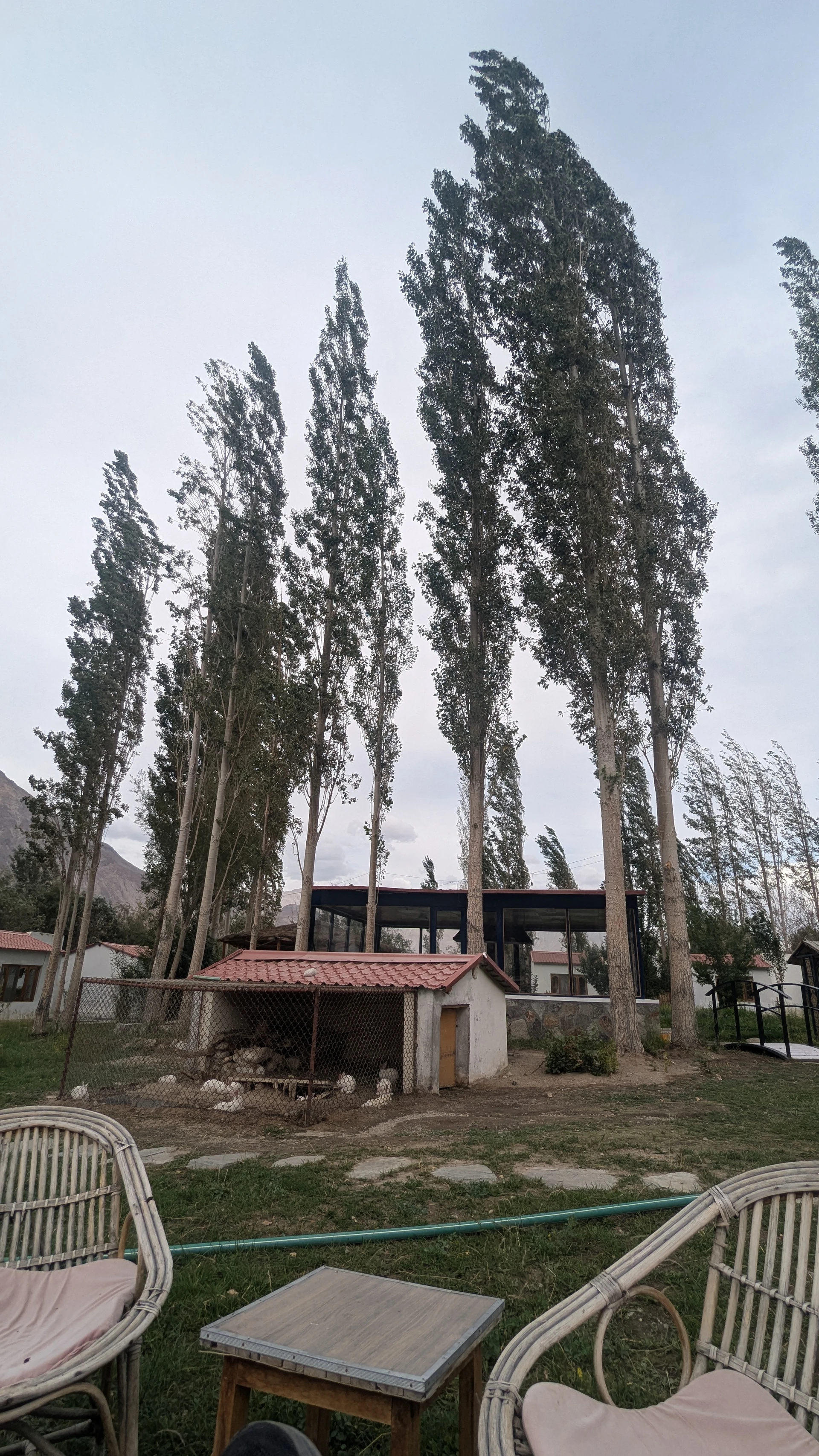
At Pangong: options cluster around Spangmik (more visited, well-serviced) and stretch east toward Merak (quieter, better light). Book in advance for July–August — the better properties fill well ahead of the season.
At Tso Moriri: Korzok village is the only option. Limited guesthouses, limited advance contactability, seasonal operation. Book early and confirm closer to your dates.
Where to Eat in Leh
The food in Leh is better than it has any right to be for a place that has to truck or fly in almost everything. There's a specific quality to the cooking at altitude that I don't entirely understand but keep finding evidence for.
De Khambir on the main market strip is the one to know first. It's a social enterprise as much as a bakery — run partly to preserve traditional Ladakhi food culture — and it bakes gurda bread and other things that don't quite exist at sea level in the same form. Go in the morning. Go back in the afternoon.
NAMZA Dining on Zangsti Road (near the Marathon office, slightly off the main drag) is the more considered option for a sit-down dinner — better sourced, more thoughtfully done than the average Fort Road restaurant. Worth the short walk. The Tibetan Kitchen on Fort Road is the reliable classic — momos, thukpa, the Ladakhi staples done well. Gesmo is the long-running all-rounder that'll serve you pasta if momos aren't what you want. Dzomsa is another social enterprise, organic, good for a slow lunch. Sorriso's Pizzeria on the second floor of the Al Hayat Building on Main Bazar Road — yes, pizza at 3,500 metres, and it works.
On the road: Pangong Way Restaurant in Durbuk is a practical stop on the Pangong route. Not worth going out of your way for, but it's in exactly the right place on a long drive day and the meal tastes better for where you're eating it.
What to Pack
Down jacket — even in August, because the passes are cold and the nights in Nubra and at Pangong will be colder than you expect. Thermal base layers. A windproof outer layer. Sunscreen with high SPF — UV intensity at altitude is significant. Sunglasses that actually block UV rather than just being tinted. Lip balm (the dryness at altitude is relentless). Any regular medication. Headache medication specifically. Power bank — connectivity is improving but still patchy outside Leh and your hotel room may not have enough sockets. Offline maps downloaded before you leave.
If you're self-driving: carry more fuel than you think you need. There are limited filling stations beyond Leh. Your car operator will know where to fill up on each route — ask specifically before heading out each morning.
Costs (2024 Reference)
Flights Delhi–Leh: ₹4,000–₹15,000+ one way depending on advance booking and timing. Morning slots are often pricier but the reliability premium is worth paying. Book at least 6–8 weeks in advance for August travel to get anything near the lower end.
Hired car (Innova Crysta, full Nubra–Shyok–Pangong circuit, approximately 5–6 drive days): ₹15,000–₹25,000 all-in, fuel included, depending on the operator and the specific route. Negotiate upfront for the full itinerary — don't book day by day.
Accommodation: budget guesthouses ₹1,500–₹3,000/night; mid-range properties ₹4,000–₹8,000; Pangong lakeside camps ₹3,000–₹6,000 per tent. August is peak pricing across all categories.
Inner Line Permits: nominal cost, currently a few hundred rupees per sector. Check the current rates when applying as they update periodically.
The One Thing
Ladakh is a road trip. Not a city with day trips attached. Not a collection of viewpoints connected by highways. The landscape is the experience — the passes, the valleys, the 90-minute drives between places where you see five other vehicles. The distances look manageable on a map and they are not, because a mountain pass at 5,000 metres is not a two-hour drive. It's two hours plus altitude adjustment plus road surface plus the stops you can't help making. Build buffer days. Don't fill every slot. Leave room for the mountains to have opinions about your schedule.
They usually do, and they're usually right.
Photos from Ladakh Travel Guide: Everything You Need to Know Before You Go
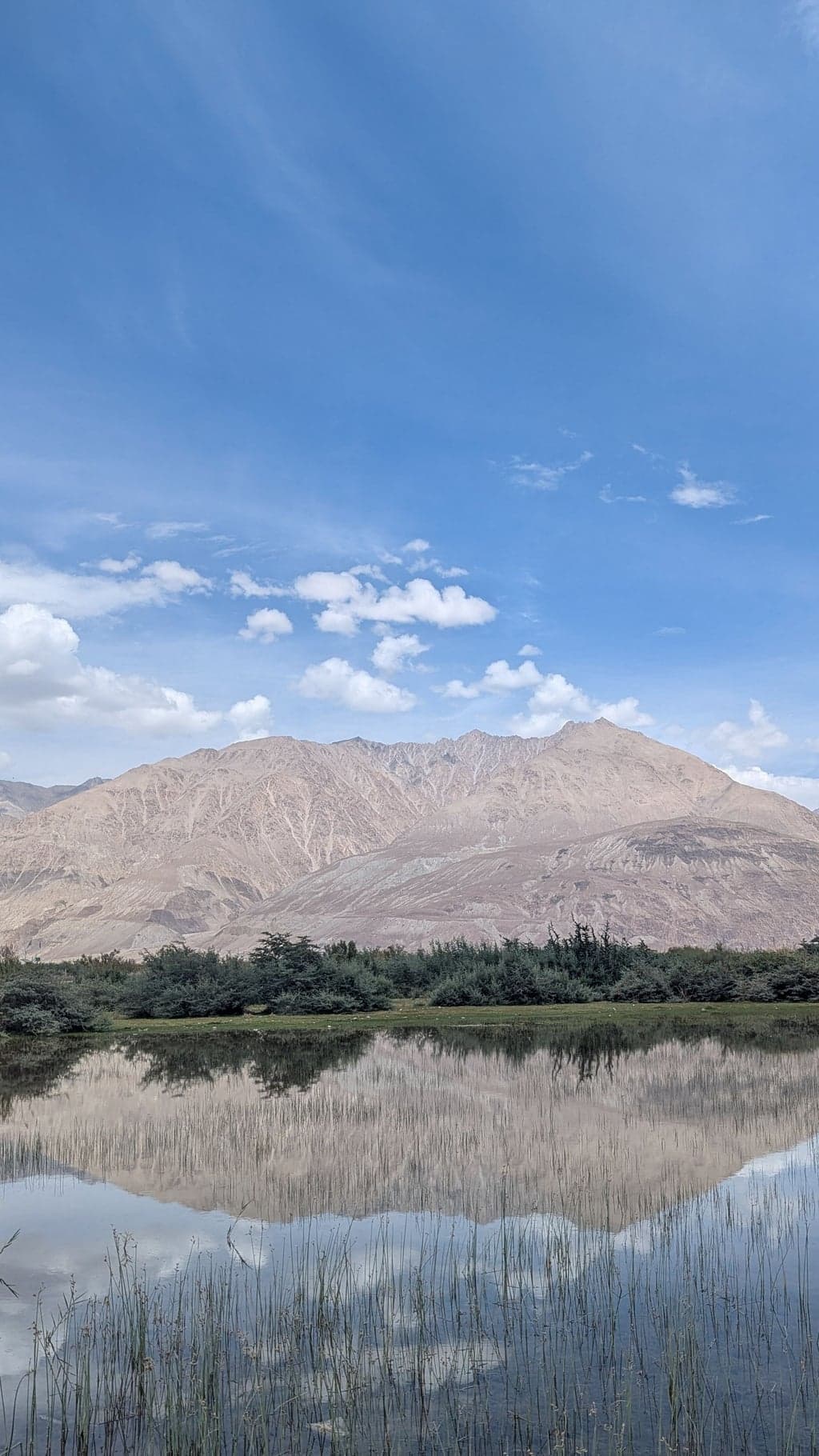
Reed-lined wetland with mountain reflection, Ladakh
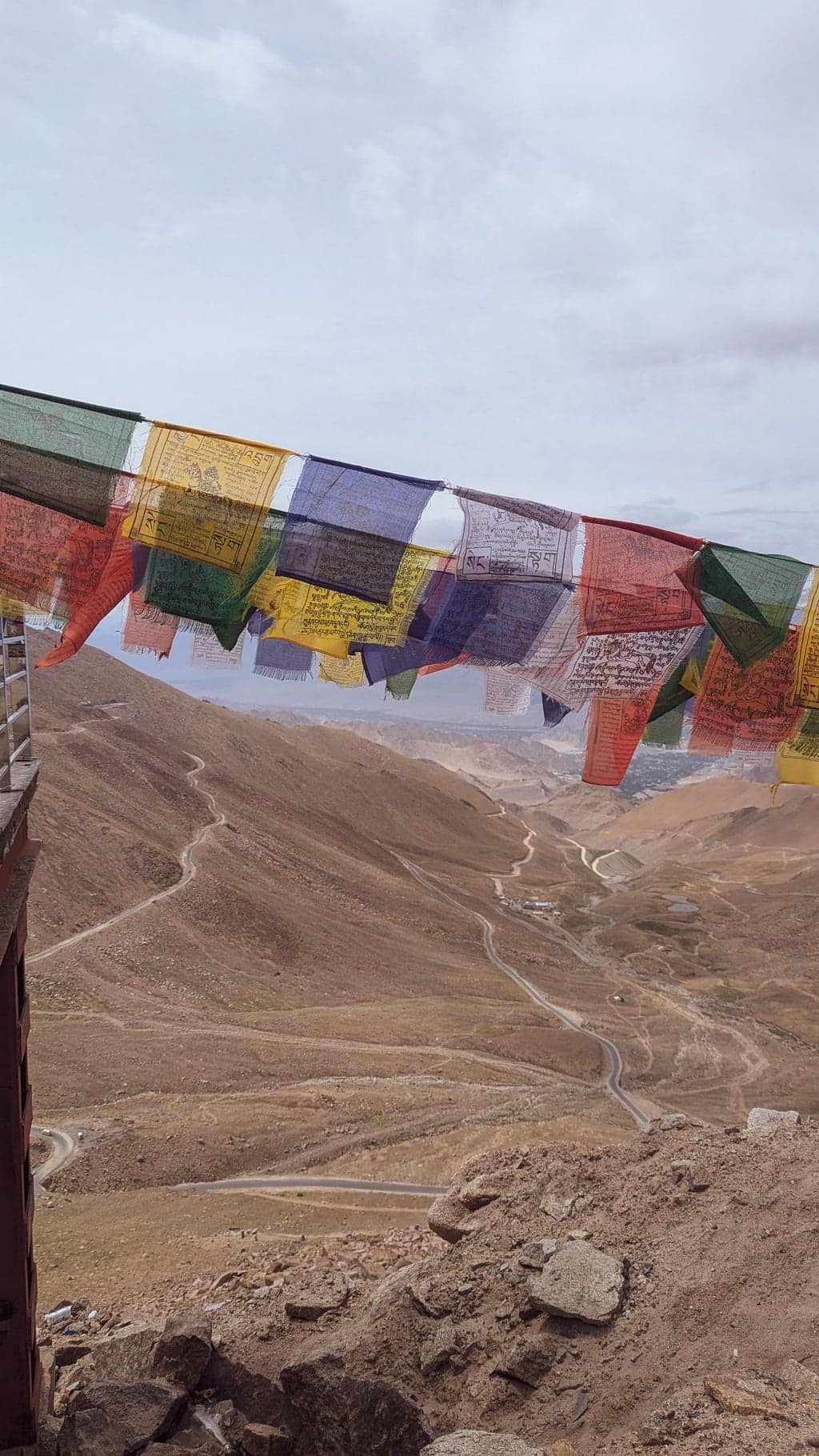
Prayer flags at a high mountain pass, Ladakh
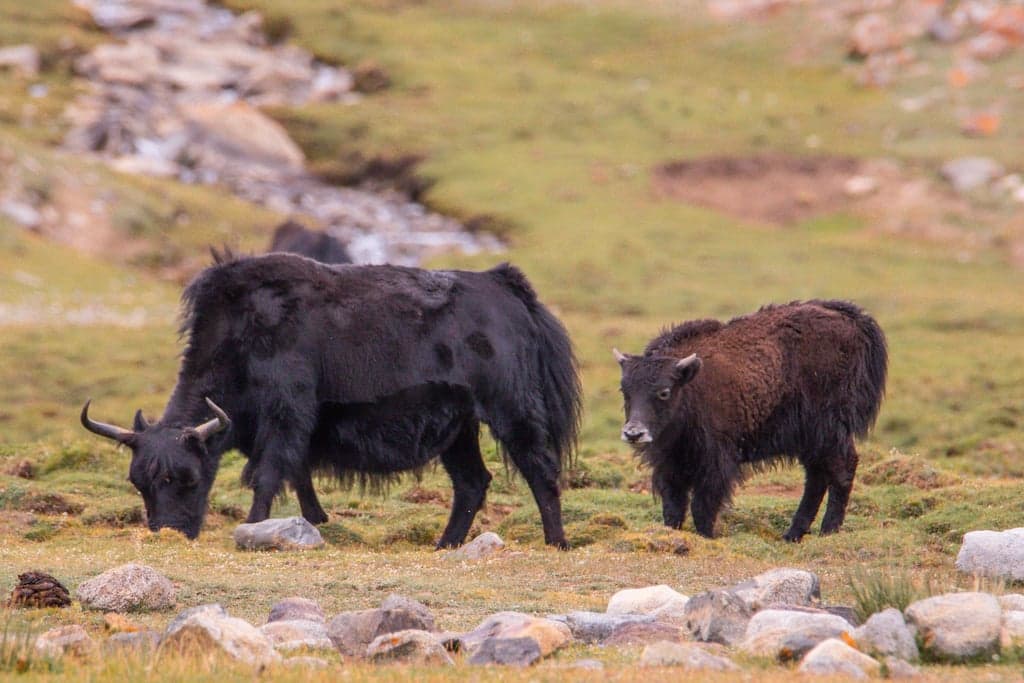
Yaks grazing in an alpine meadow, Ladakh
Destination Guide
Rajasthan
Jaipur, Jodhpur, Jaisalmer, Udaipur — a destination guide to Rajasthan's desert circuits. Where to base yourself, how long to go, and what the forts actually feel like.