We Went Back to Ladakh. It Was Still True.
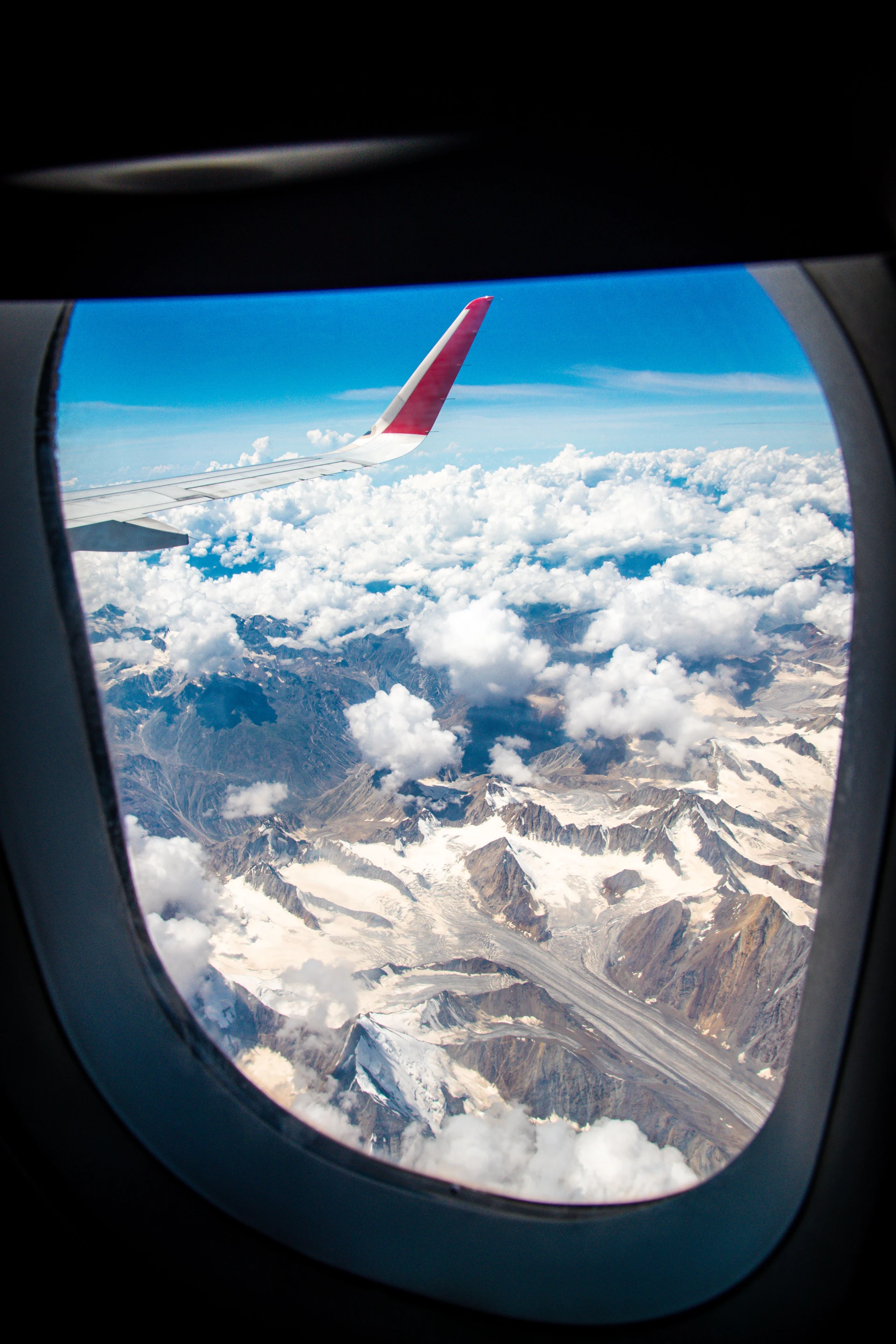
There's a thing nobody tells you about flying into Leh. The mountains start appearing about forty minutes before you land, somewhere over the Himachal border, and if you're sitting on the wrong side of the aircraft you'll spend that entire approach pressing your face against glass and seeing nothing but cloud and the dull grey of the wing. Sit on the right side — the right side, window seat, non-negotiable — and something else happens entirely. The landscape folds open. Ridge after ridge, brown and ancient and impossibly large, each one higher than the last, until you start wondering what kind of place you're actually flying into. I've done this approach twice now. Both times, I pressed my face against the glass as I'd never seen a mountain before.
This is the story of the second time.
Why Go Back
The first time I went to Ladakh was in 2016, and I drove. Not all of it, but enough — the switchbacks, the high passes, the places where the road is more of a suggestion than an engineering fact. That trip left something in me that's difficult to name precisely. When Megha (my wife) and I started talking about Ladakh, there was no real debate. The only question was how.
We booked flights. Bengaluru to Delhi, Delhi to Leh. Innova Crysta from a local operator in Leh. Three properties across eight days. I had done the math on driving ourselves again and I knew, somewhere at the back of my mind, that this version would feel different. A hired car isn't the same as your own hands on the wheel across Khardung La. It's more comfortable, and more passive, and I was already prepared to make peace with that trade-off.
What I wasn't prepared for was everything else.
Getting There: A Two-Day Comedy of Errors
We landed in Delhi on August 10 as planned. The connecting flight to Leh was not.
Hot winds had made landing conditions too unpredictable — our flight was canceled. This is the part of the trip that, in retrospect, we should have seen coming. August in Ladakh is the safest weather window, but that doesn't mean it's a predictable one. We had booked an afternoon flight. A morning flight, as it turns out, would have been the smarter call. The heat in the valley builds through the day; early morning departures have a much better shot at getting through before conditions deteriorate. File that under: things you learn the hard way.
With a canceled flight and a full day ahead of us, we did the only reasonable thing available. We took a bus to Jaipur.
Mahadev Travels, early morning, straight into Rajasthan. We checked into Diggi Palace on Shivaji Marg — a proper heritage property, exactly the right kind of place to land in unexpectedly — and spent two days being tourists in a city that had apparently not been briefed on our arrival. Jaipur was flooding. Severely, visibly, in a way that made venturing out increasingly inadvisable. We got to Masala Chowk in Ram Niwas Bagh and managed a brief walk through the City Palace before the skies closed in again. By August 12, we were at Narayan Singh Circle, boarding RSRTC buses back to Delhi, and from Delhi we finally, actually, got on a morning flight to Leh.
Two days, two states, one very wet detour. Ladakh had made us work for it.
The Approach
I was on the right side of the plane.
Megha hadn't been to Ladakh before, and I watched her watching the mountains appear. There's not much to say about that moment that the mountains don't say better themselves. I turned to look at her. She had tears in her eyes. I didn't say anything. Some things you just let happen. If you're flying into Kushok Bakula Rimpochee Airport for the first time, or the fifth time, sit on the right side and give yourself those forty minutes. Don't read. Don't put on headphones. Just look.
We landed. The air hits you differently at 3,500 metres — thin and clean and a little unreal. Our luggage didn't land with us. The details aren't interesting but the feeling is — standing at 3,500 metres, slightly dizzy, watching the belt go around and around. Ladakh, it seemed, was still making us work for it.
Ladakh Eco Resort in Spurka was our first base, a quiet stretch of Gangles outside the main town, which turned out to be exactly the right kind of place for the first day. The altitude demands that you do nothing, and a property genuinely removed from the noise makes it easier to comply.
The Roads
Here is what I didn't fully appreciate until this trip: Ladakh is a road trip, not a destination. The sites — Nubra Valley, Pangong Tso, the monasteries — are the punctuation, but the experience is the journey between them. The distances look manageable on a map and they are not, because a mountain pass absorbs time in a way that flat roads don't.
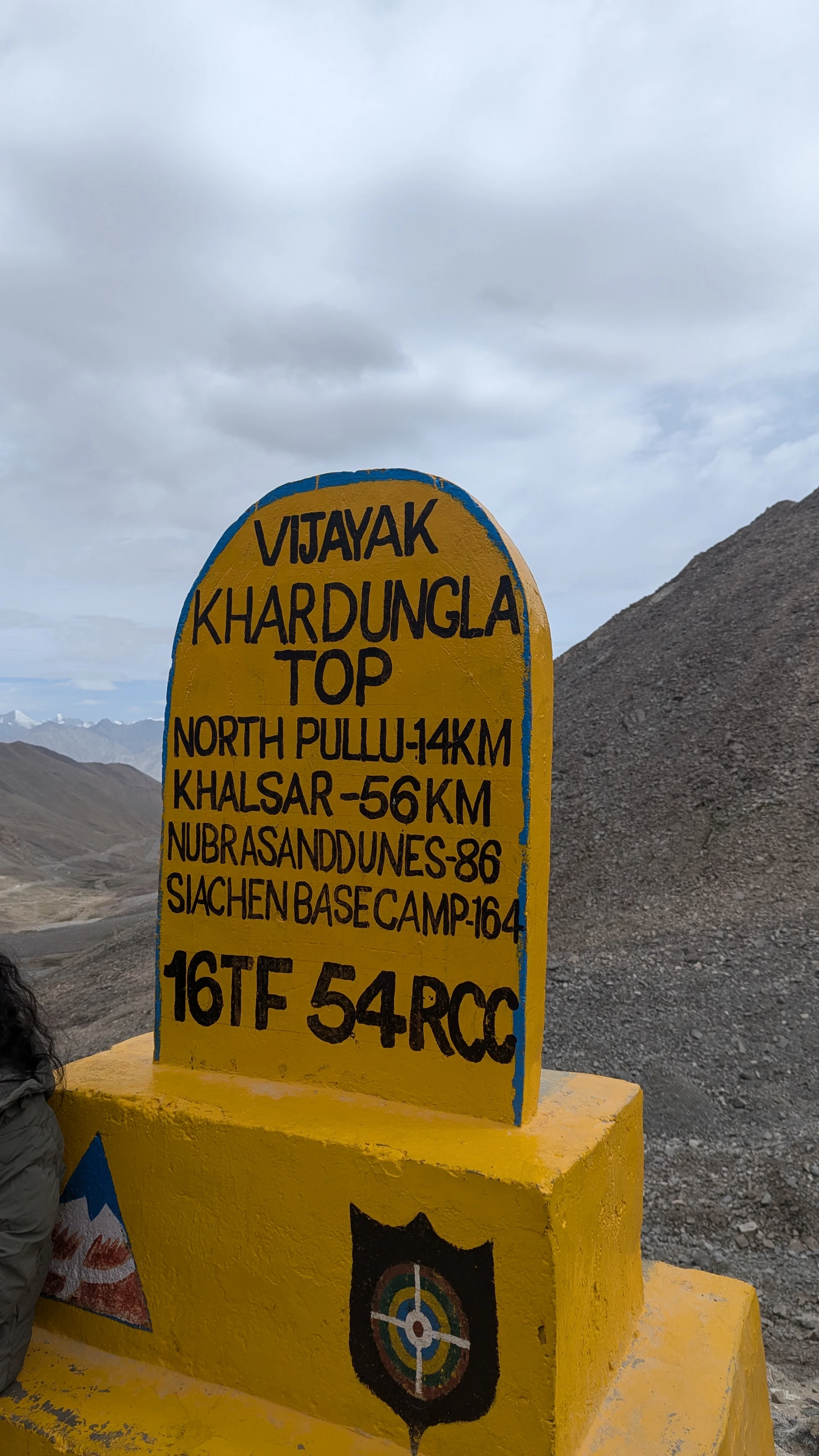
Khardung La sits at around 5,359 metres. The road up is slow and deliberate and the air is thin enough to make your head feel strange. Then you come down the other side and there is Nubra Valley, green and wide and utterly incongruous, and in the middle of it there are sand dunes. And on the sand dunes, there are camels. Bactrian camels, two-humped, entirely unbothered by the fact that they're at the top of the world. We stayed at Himalayan Eco Resort in Hunder — a good base for the valley, quiet, with those tall poplars lining the approach road — and the dunes were a short walk from the property. We did an ATV run across the dunes before anything else. Loud, slightly ridiculous, and completely worth it.
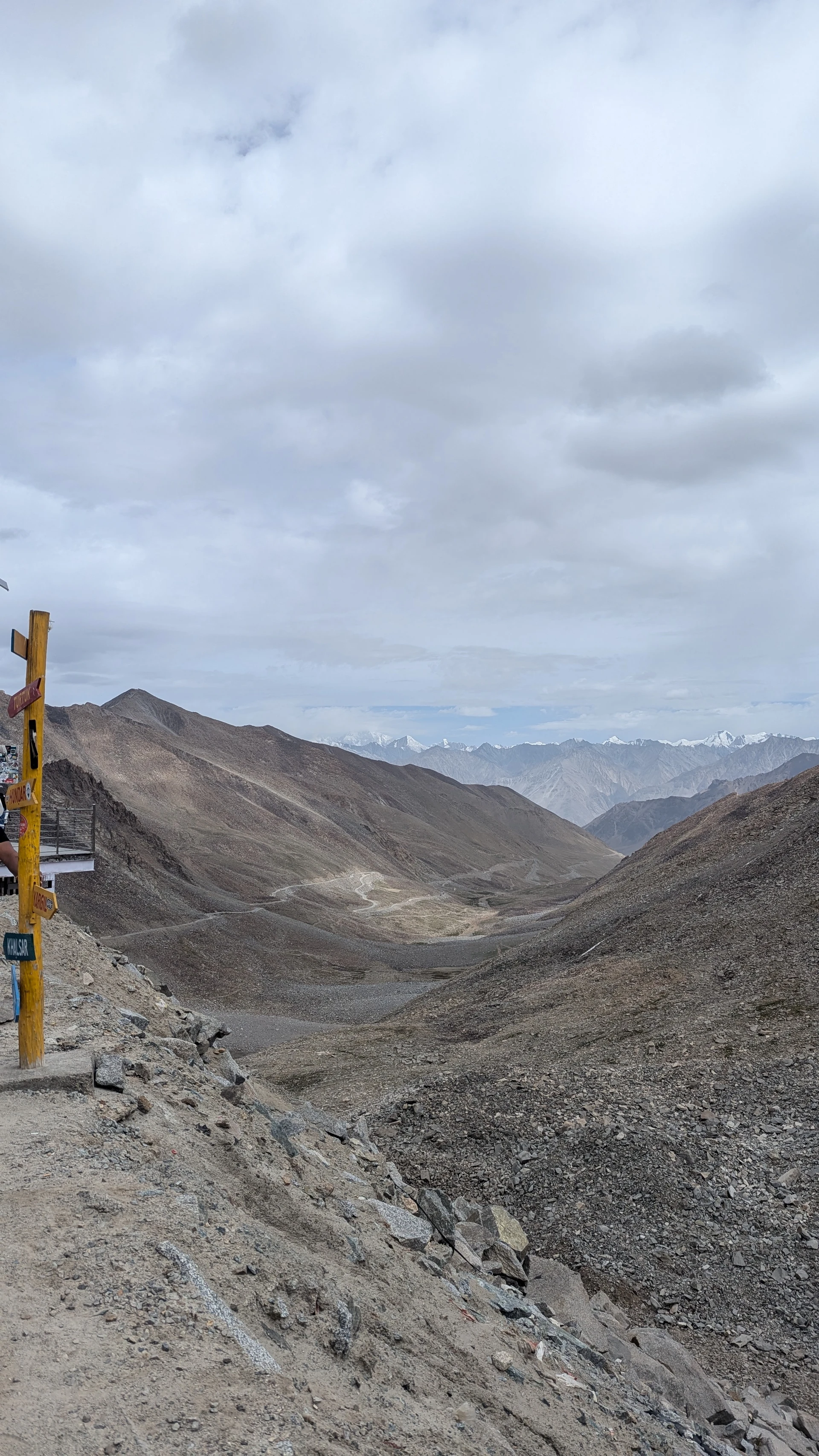
The road to Pangong came next. Chang La on the way back. More sky than anywhere else I've been. We stopped at Pangong Way Restaurant in Durbuk, somewhere along the stretch before the lake, and it's the kind of meal that tastes better because of where you're eating it — the thin air, the silence, the knowledge of how far you are from anywhere.
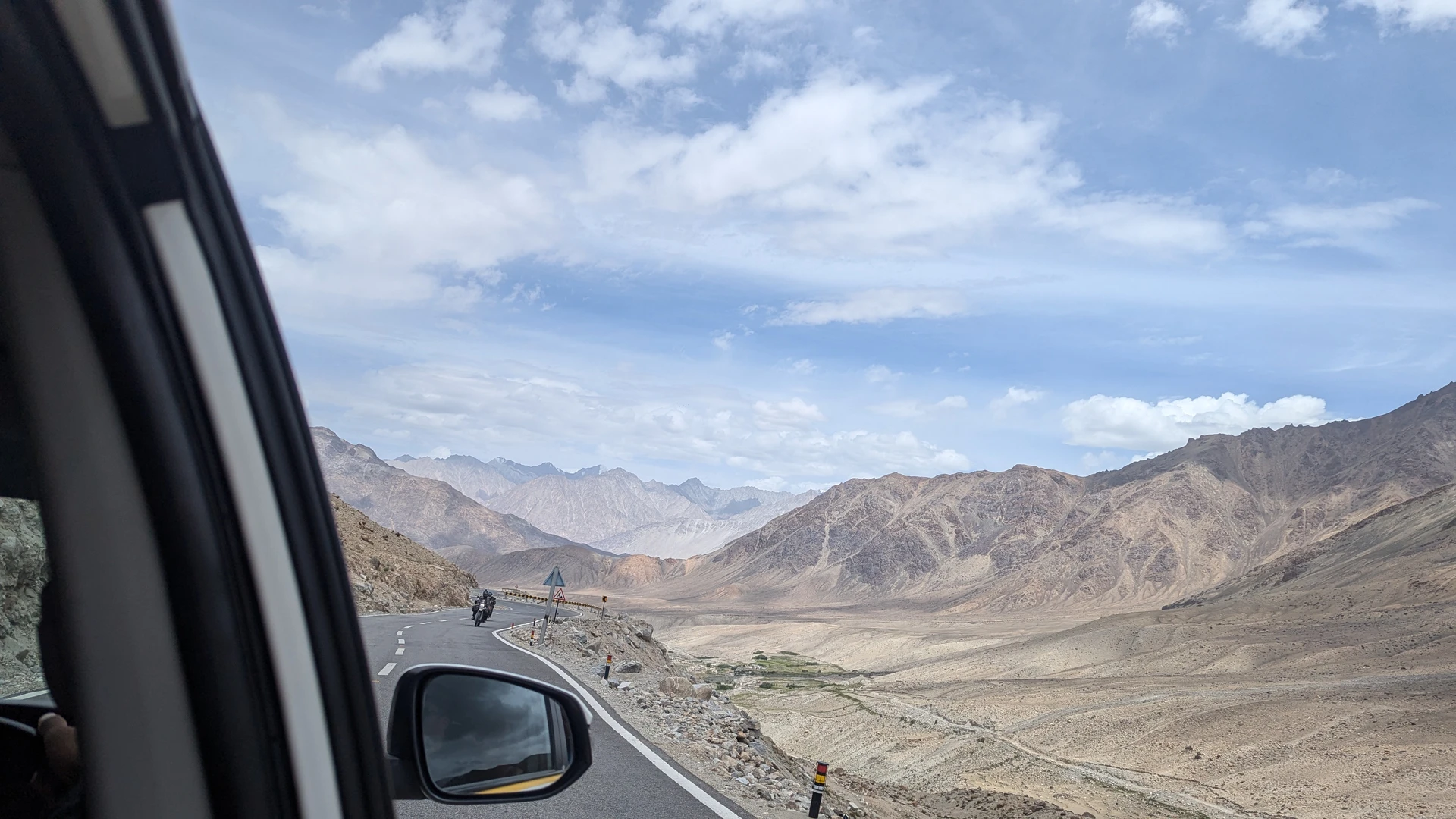
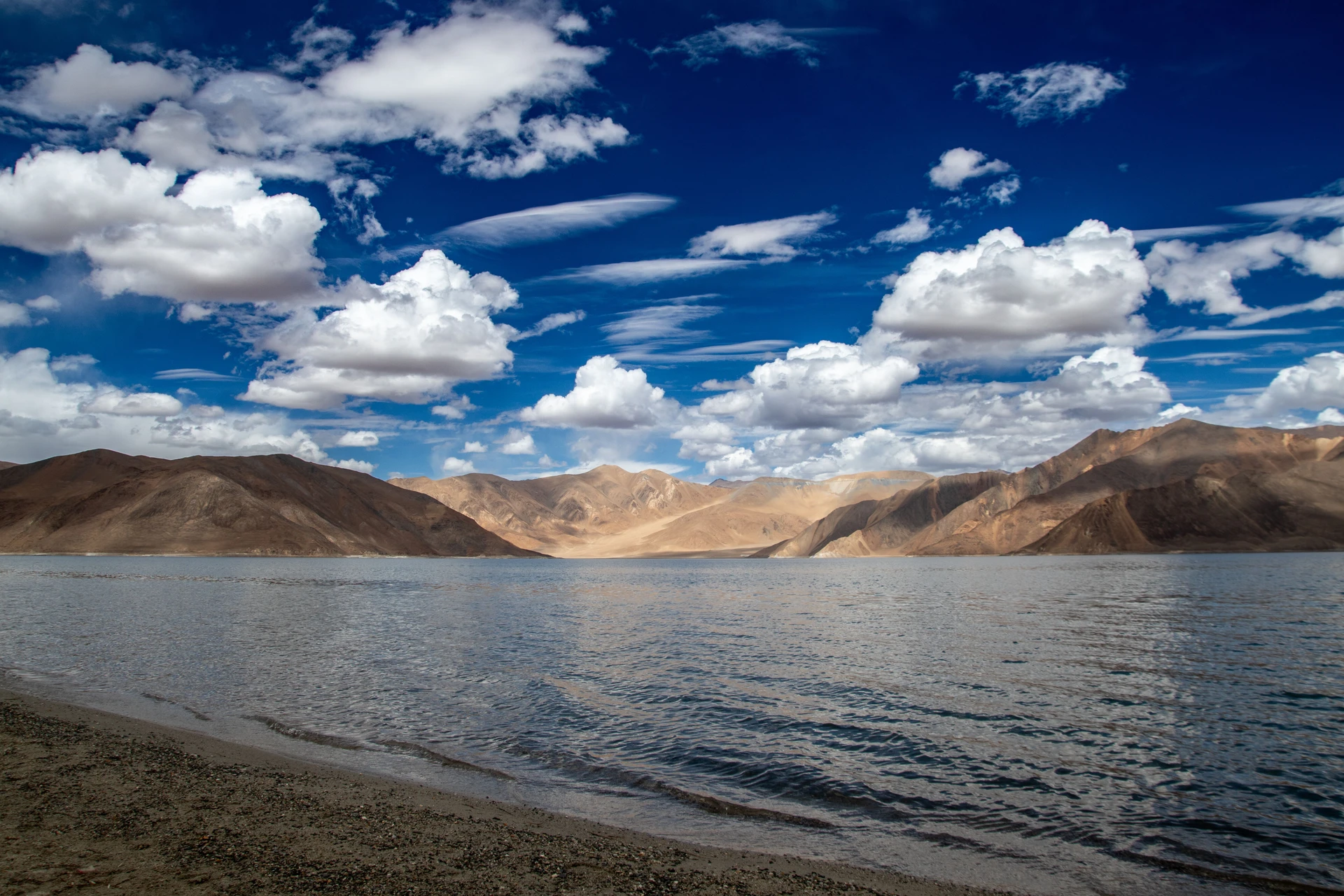
Driving those roads a second time, eight years after the first, was its own kind of experience. Memory is unreliable and the mountains are not. I remembered the scale of Pangong but not the specific quality of the light, not the exact way the lake appears when you come around the last bend — impossibly blue, extending further than seems plausible.
We stayed in tents by the lake that night. The original plan — Megha's plan, really — involved lying outside and watching the sky fill up with stars. Pangong at altitude with no light pollution is supposed to be one of the best skies in India. What we got instead was cloud cover, and at some point in the night I found myself checking the tent flap every hour, half-asleep, waiting for it to clear. It didn't. What we woke up to instead was snow on the mountains ringing the lake — fresh, sharp white against the early light. I'll take it.
Because we'd hired a car, I was a passenger for all of this. An Innova Crysta, which is the right call if you're not driving yourself — comfortable, well-suited to altitude roads, enough space to sprawl when your body starts protesting. I won't pretend there weren't moments where I missed having my hands on the wheel. A hired car is relaxing and it can also be boring in a way that self-driving never is. If you're the type of person who takes road trips for the act of driving, hire a car anyway and accept the trade-off. The roads here are too technical, too high-stakes, and too unforgiving for a first-timer to be learning on the fly.
The other thing about Ladakh's distances: build in buffer days. A pass can close. Weather moves in without warning. We lost two days to the Delhi detour before we even arrived; if we hadn't had some flexibility in the back half of the itinerary, we'd have had to cut places entirely. Don't fill every day. Leave room for the mountains to have opinions.
The Monasteries
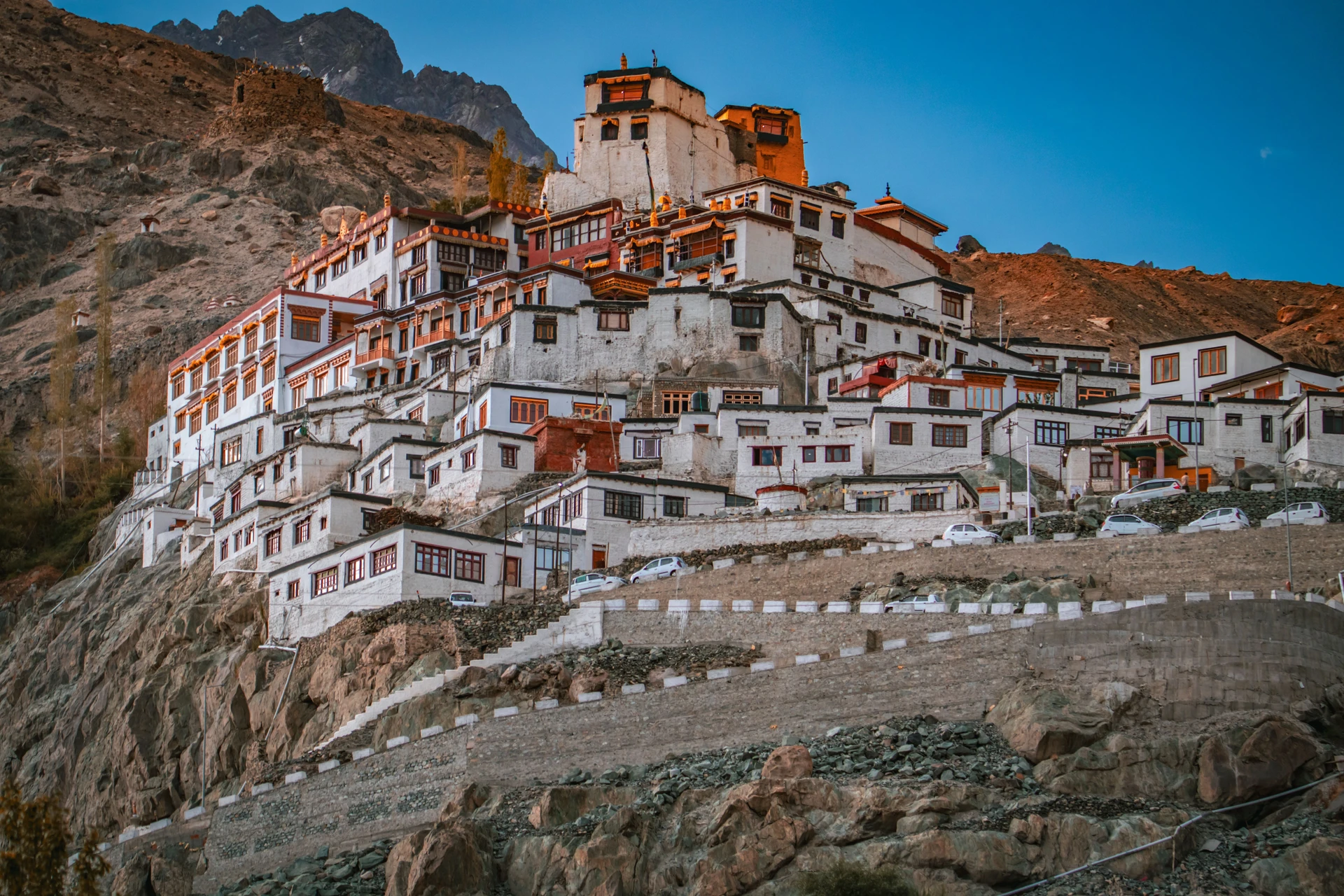
Thiksey first — the one that gets compared to Potala Palace in Lhasa, and not without reason. It rises in tiers above the valley floor, white and ochre, and the scale of it only becomes clear when you're climbing the stairs and you realise how far up you still have to go. On the way back through Choglamsar, we stopped at Karma Dupgyud Choeling Monastery — smaller, quieter, less visited, the kind of place where you might be the only person there. And Spituk, just a few kilometres outside Leh itself, worth the stop even if you're tired from the road.
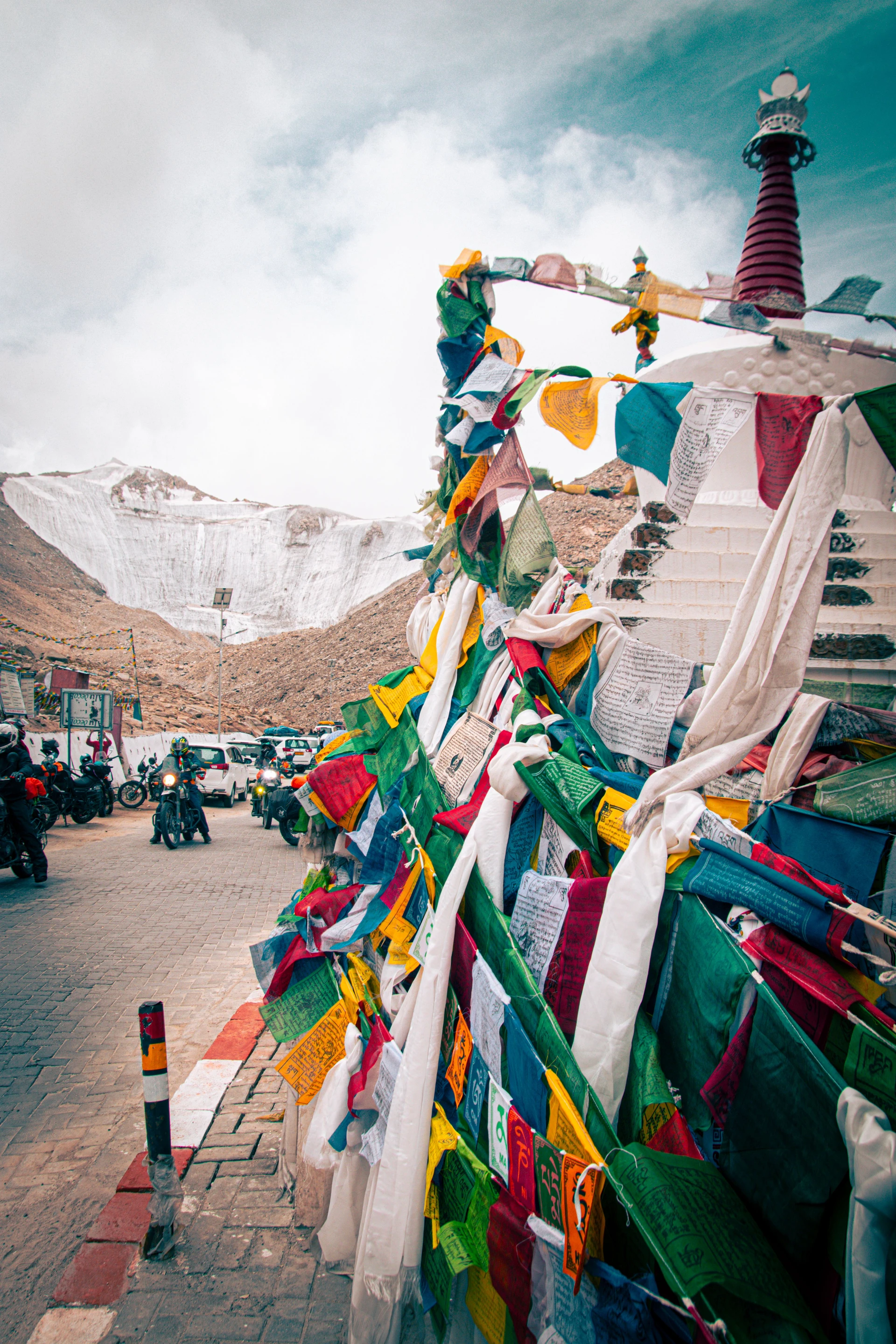
There's a specific quality to these places — the altitude, the silence, the way prayer flags move in a wind that seems to come from nowhere — that resists becoming familiar. I'd seen Thiksey before and it still stopped me. Megha was seeing all of them for the first time. I was glad to be there when she did.
Leh Itself
By the time we reached Hotel Singge Palace on P. Namgyal Road, we were ready to stop moving. The property is close to the Leh market — a five-minute walk, maybe — and that proximity matters. The last days of a Ladakh trip are for wandering, eating, and not thinking about how many metres above sea level the next pass is. Shanti Stupa in the evening. The Hall of Fame, which is a war memorial rather than a tourist attraction, and feels like it — if you're driving the Srinagar–Leh highway on a future trip, the Kargil War Memorial further up that road is worth the stop too. The main bazaar, where we spent more time than we had planned. And the shopping haat, if you're there on the right evening — local crafts, pashmina that's actually pashmina, a good place to end a day in Leh.
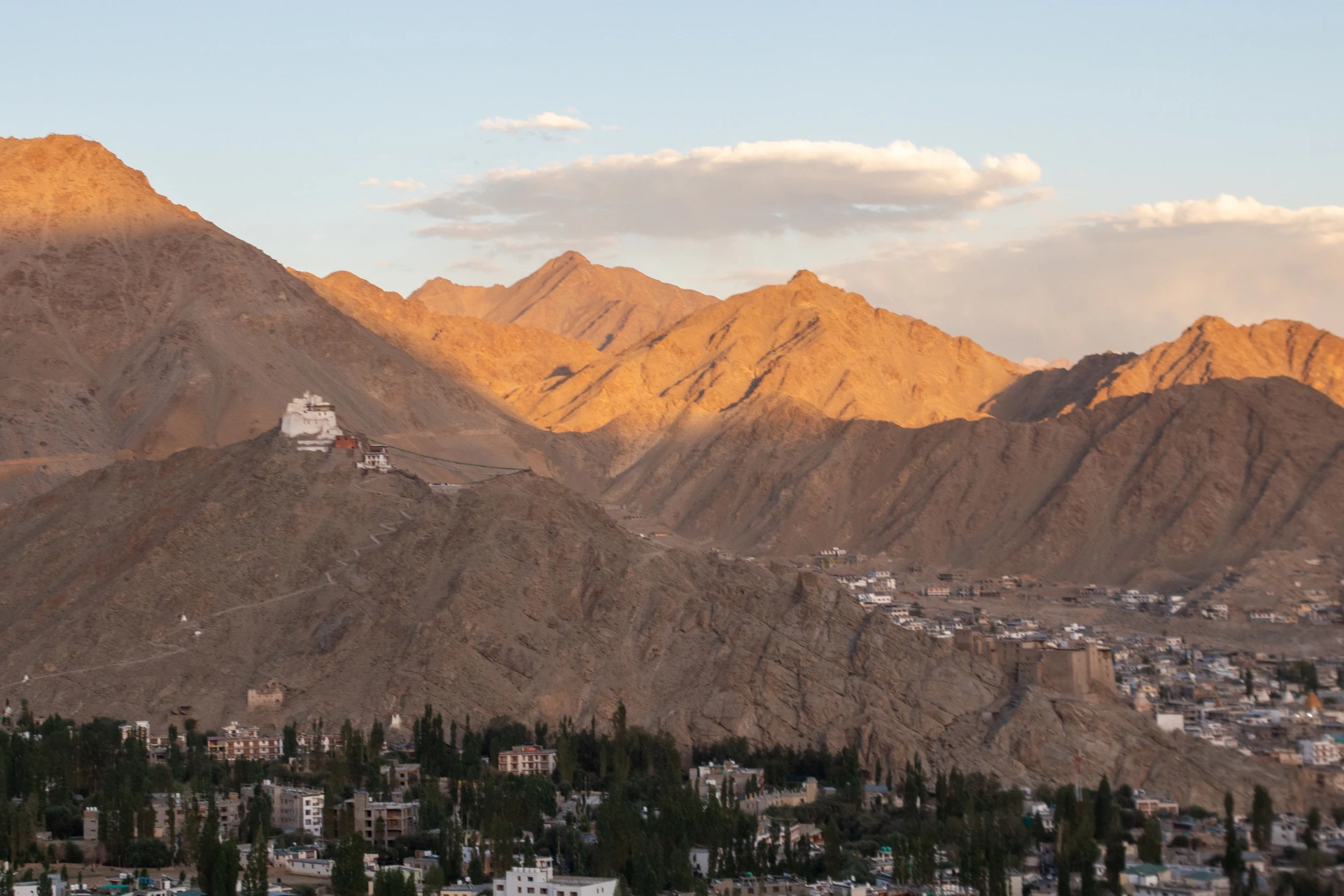
Save Singge Palace or something close to the market for the end of the trip. Book the remote properties first, when you're acclimatising and resting, and save the town access for when you actually want to use it.
What We Ate
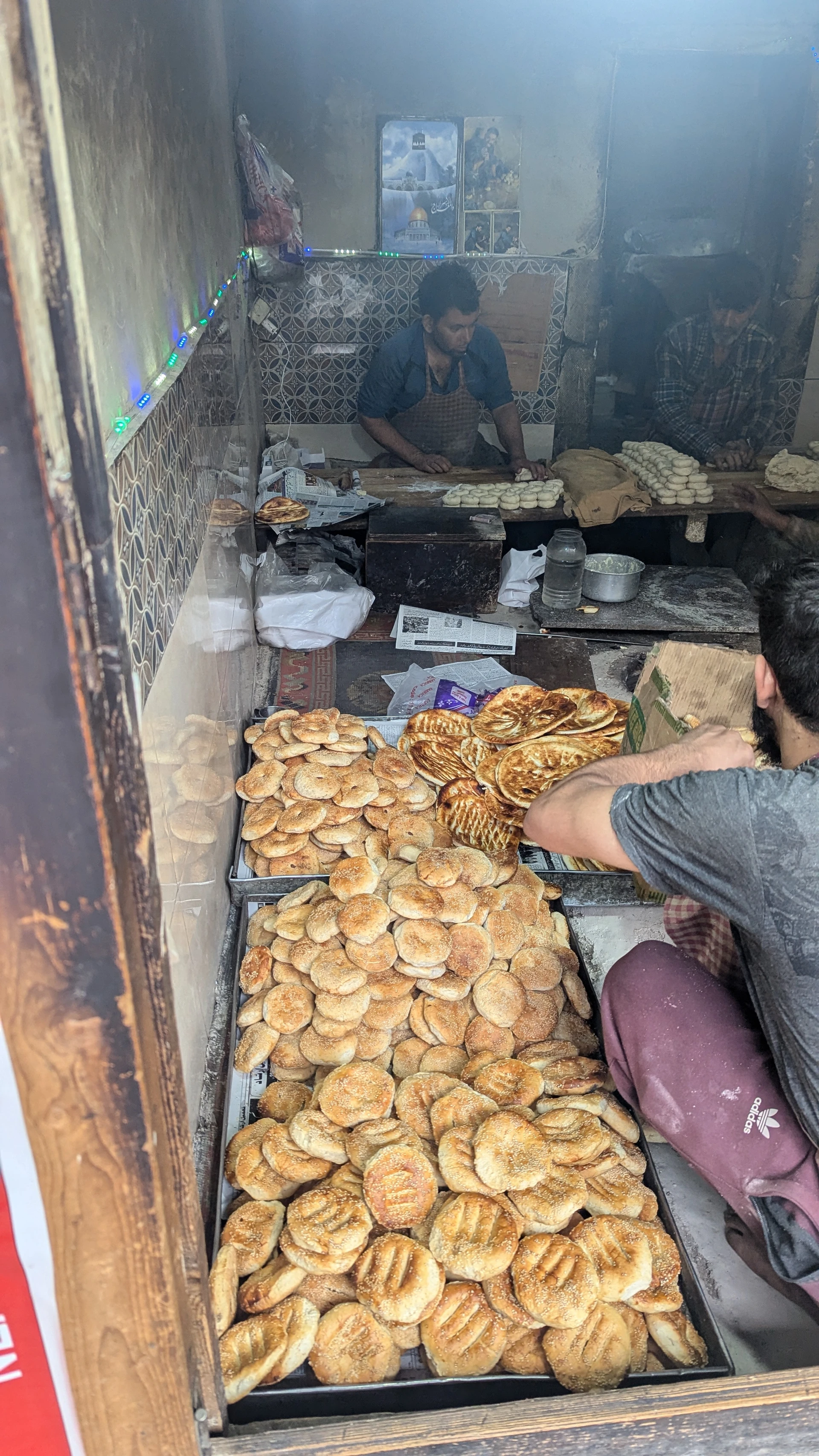
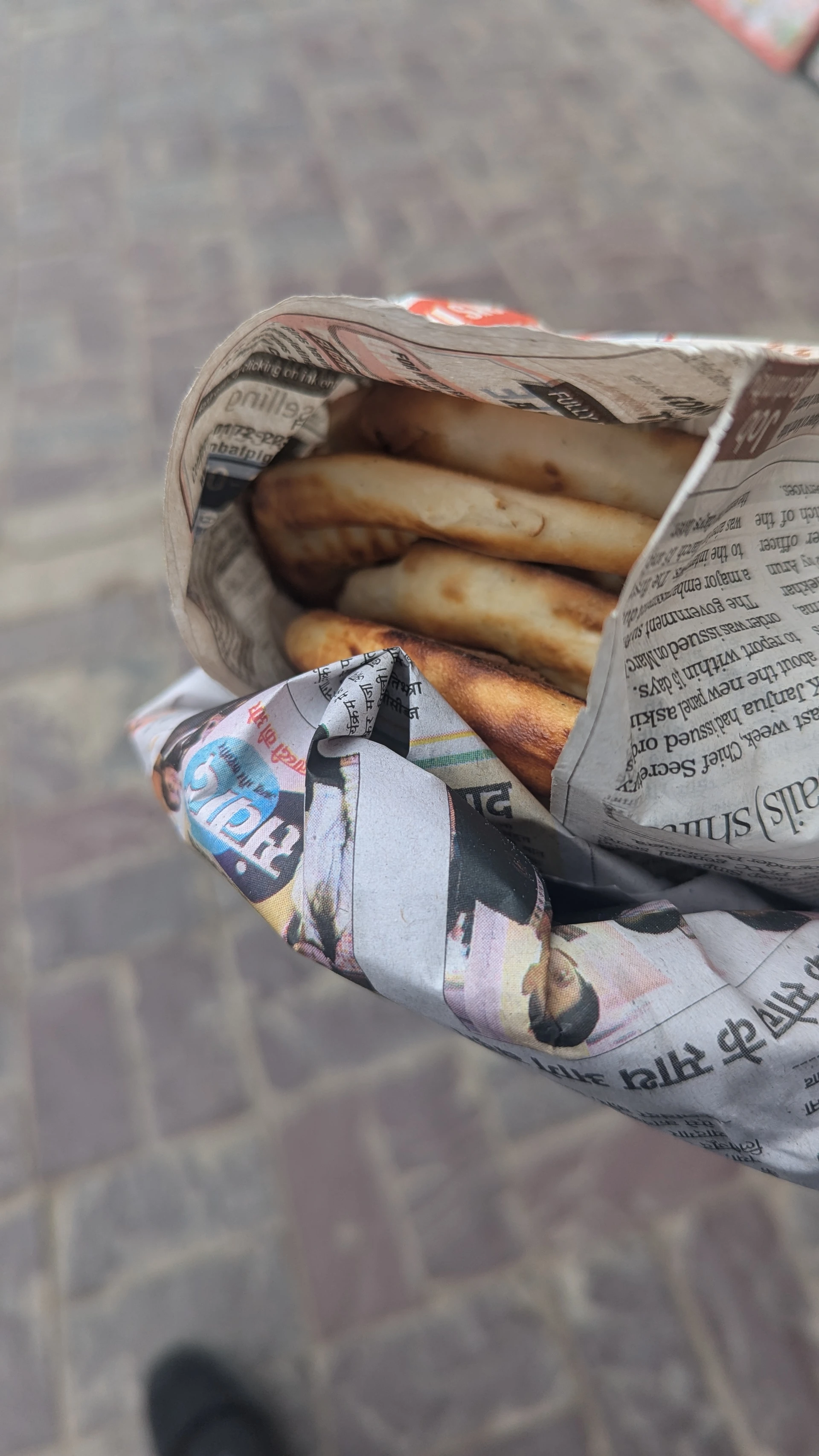
The bakeries in Leh deserve their own mention. There's a particular quality to the baking at this altitude that I don't entirely understand but am prepared to keep investigating — girda bread (also written gurda, both are acceptable), dense and slightly chewy, the kind of thing that tastes better because of where you're eating it. De Khambir on the main market strip is where we kept ending up — it's a social enterprise as much as a bakery, and the bread is very good.
The sea buckthorn juice deserves a specific mention. It's tart and strange and doesn't taste like anything else. Order it once and you'll understand why people come back for it.
On the road, Pangong Way Restaurant in Durbuk is worth the stop — the Tibetan food there is the kind you don't easily find elsewhere, and eating it on the lake route with the altitude and the silence adds something. Don't expect much on the outside. Eat anyway.
The Part That Wasn't Easy
Megha got AMS. So did I, to a lesser degree. This is not unusual at Ladakh's altitudes, and it doesn't mean the trip was ruined, but it means you should go in knowing that your body is going to need more time than your itinerary has pencilled in. Rest when you're told to rest. Don't push through a pass if you're feeling bad. Descending even a few hundred metres makes a material difference.
If you're coming from Bengaluru or any other low-altitude city, factor in an acclimatisation day at the start. We didn't fully have that luxury given our delayed arrival, and we felt it.
The Practical Notes
Book the morning flight. Delhi to Leh in the afternoon is a gamble with thermals and heat. Morning flights have a significantly better track record. We know this now.
Sit on the right side of the plane. Window seat. For the approach into Leh. This is important.
Get your Inner Line Permits in advance. Nubra Valley and Pangong Tso both require them. Apply online through the Ladakh tourism portal or sort them in Leh on arrival — but do not arrive at a checkpoint without one.
Hire an Innova Crysta if you're not driving yourself. The comfort matters on long mountain days. The extra space matters when someone gets AMS.
Ladakh is a road trip. The distances look small on a map and they are not. A two-hour drive in the mountains is not the same as a two-hour drive anywhere else.
Leave buffer days. Passes close. Acclimatisation takes longer than expected. An itinerary with no slack is one that's going to disappoint you.
Book the Leh market stay last. Remote properties first for rest and acclimatisation, town access for your final nights when you want to explore on foot.
Watch the weather in advance. We didn't, and spent two unplanned days in a flooded Jaipur before we saw a single mountain.
If you're planning your own Ladakh trip, the complete Ladakh travel guide covers sectors, permits, acclimatisation, costs, and getting around in one place.
The Second Time
There's something specific about returning to a place you've loved and finding that it's still true. I was worried, maybe, that Ladakh at a remove — hired car, older, less willing to push — would be a lesser version of what I remembered. It wasn't. The mountains were still the mountains. The lake was still that exact shade of blue. Khardung La was still cold and strange and worth every metre of the climb.
We fell ill. We got delayed. We spent two days in a flood. We saw camels on sand dunes at 17,000 feet.
If you're planning to go: go. Book the morning flight. Sit on the right side of the plane.
Looking for more escapes from Bangalore? Our weekend trips guide covers everything from two-hour drives to longer mountain circuits.
Photos from We Went Back to Ladakh. It Was Still True.
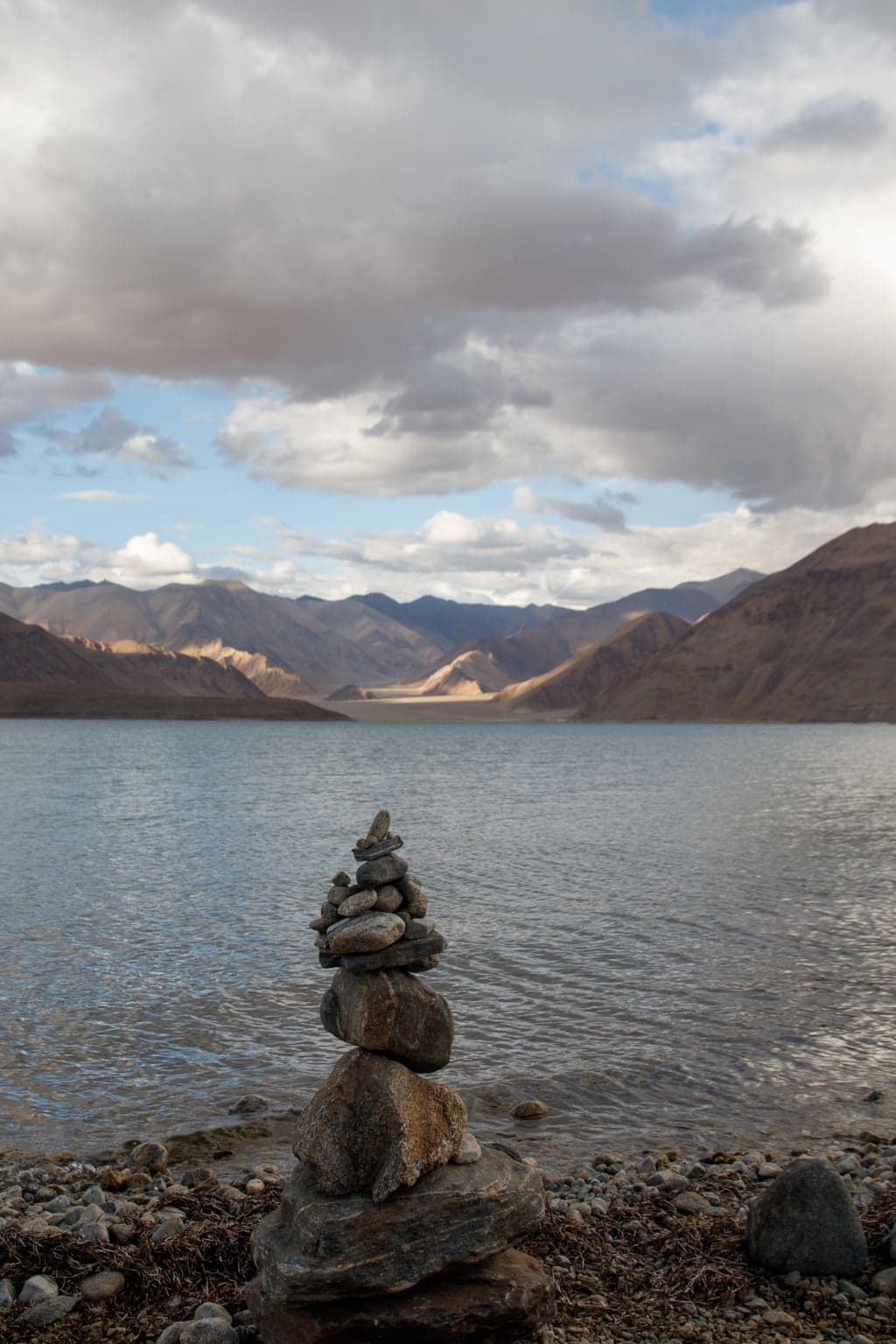
Stone cairn at Pangong Tso shore, Ladakh
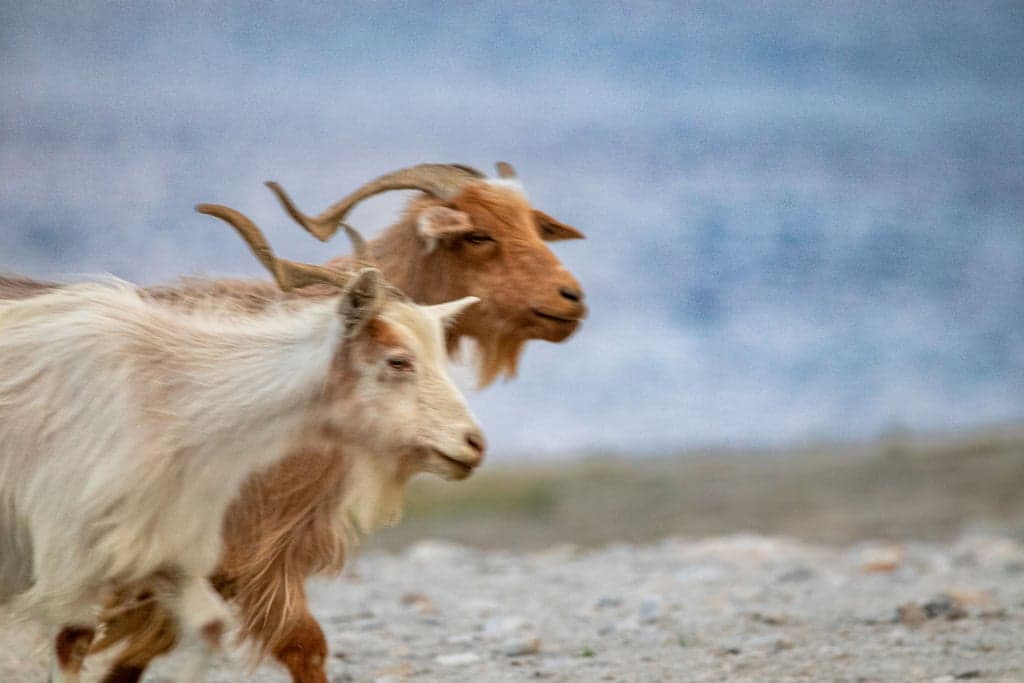
Goat at Pangong Tso, Ladakh
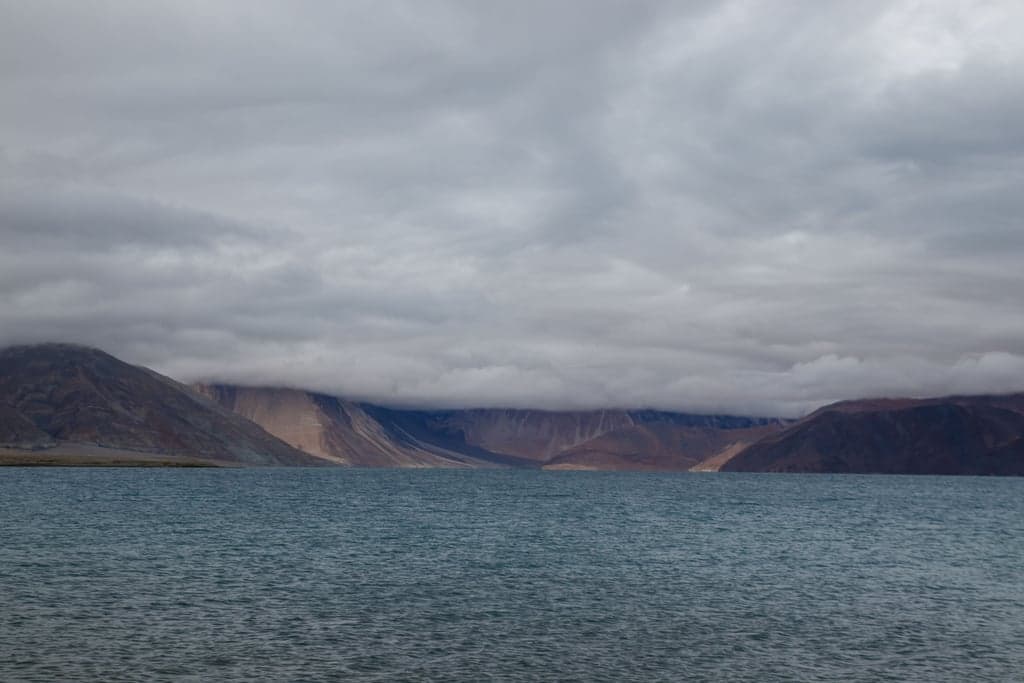
Pangong Tso lake wide view, Ladakh
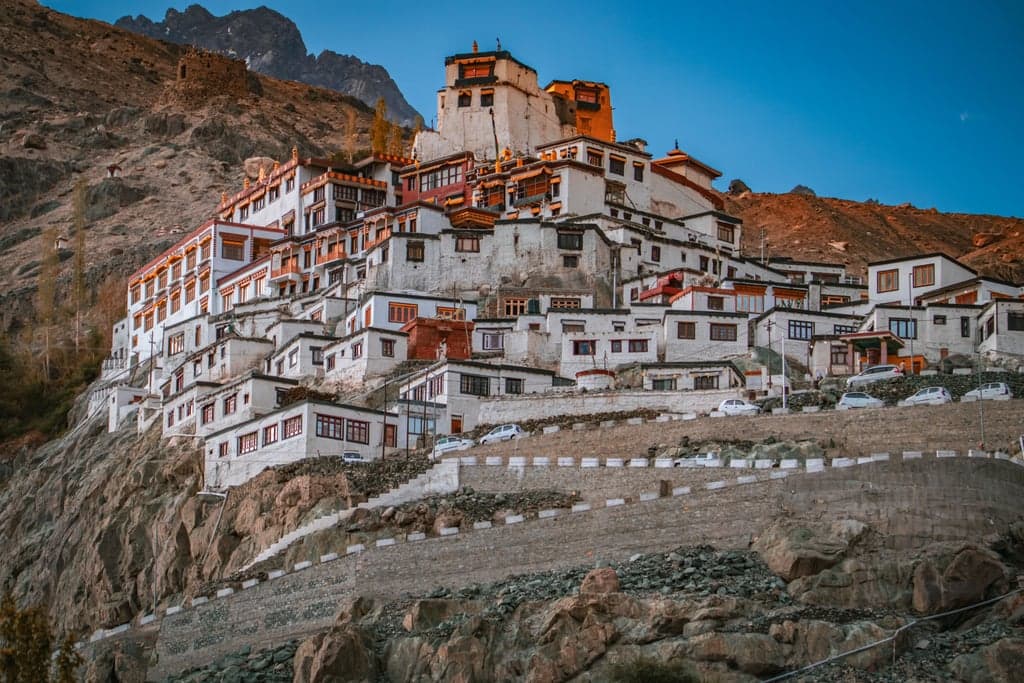
Thiksey Monastery on hillside, Ladakh
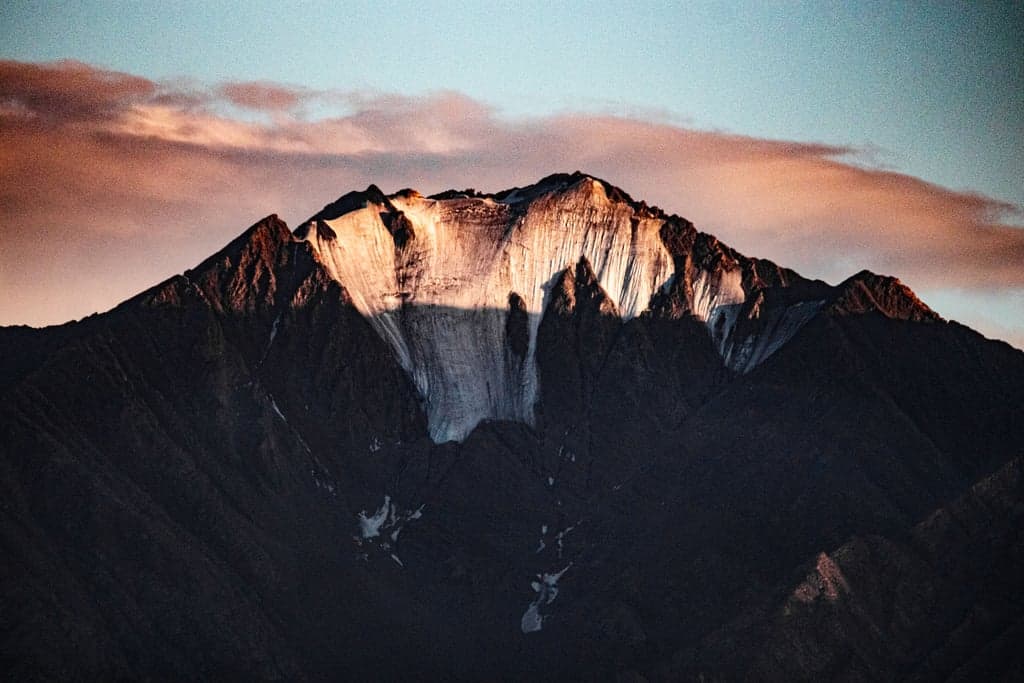
Mountain peak at golden hour, Ladakh
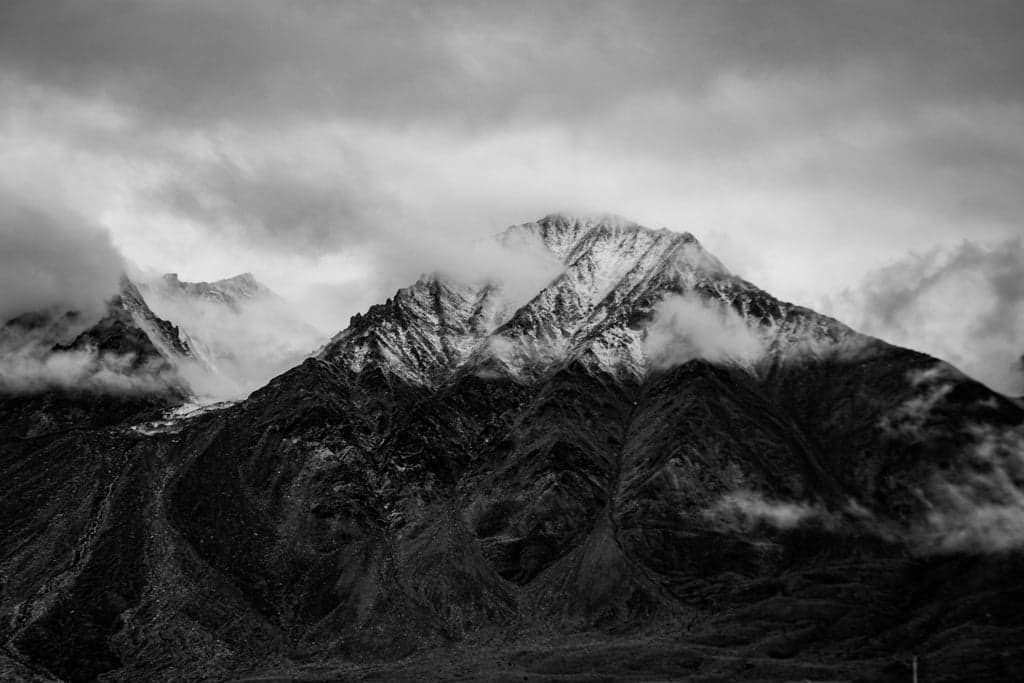
Mountain peaks in storm clouds, Ladakh
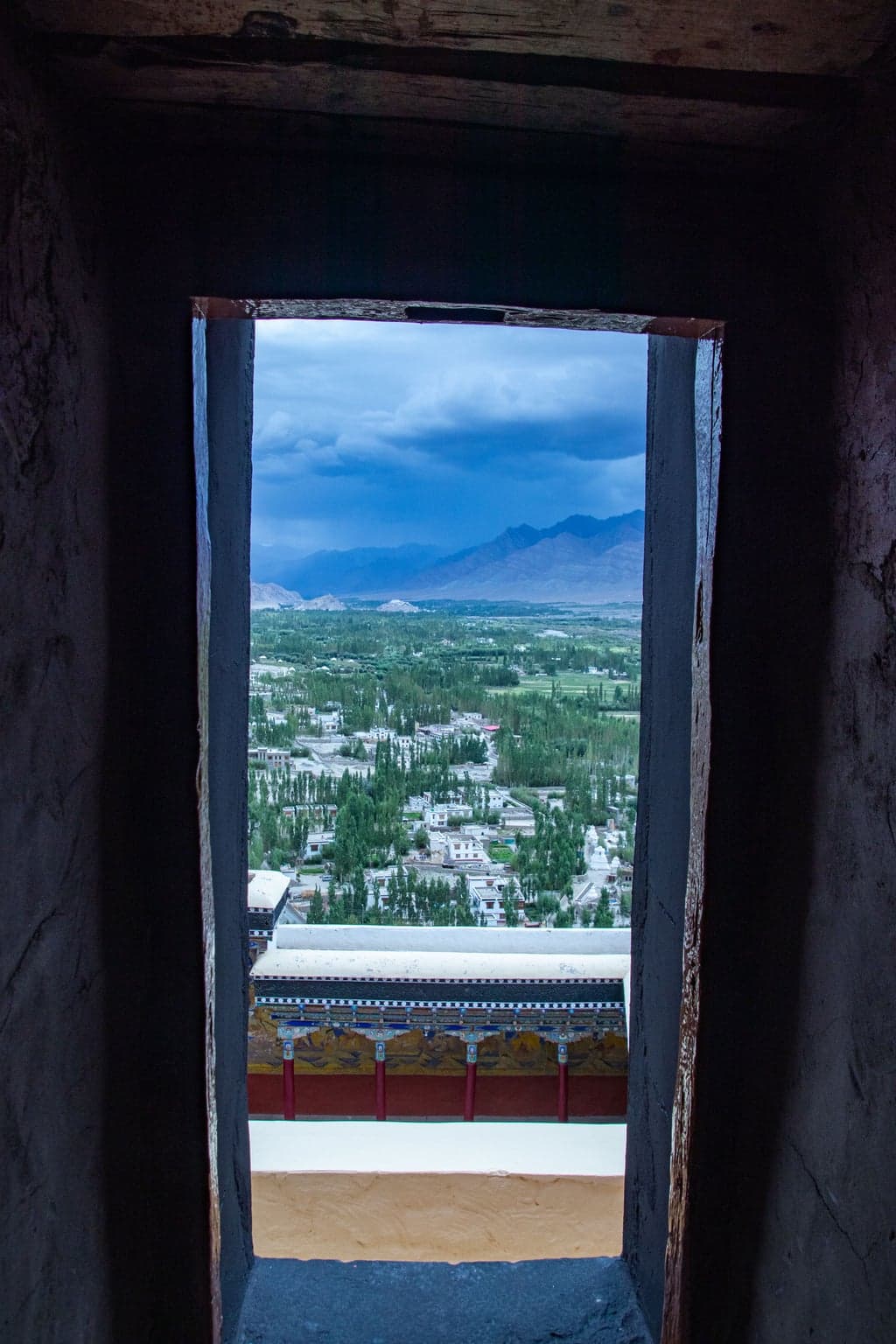
Leh valley through monastery doorway, Ladakh
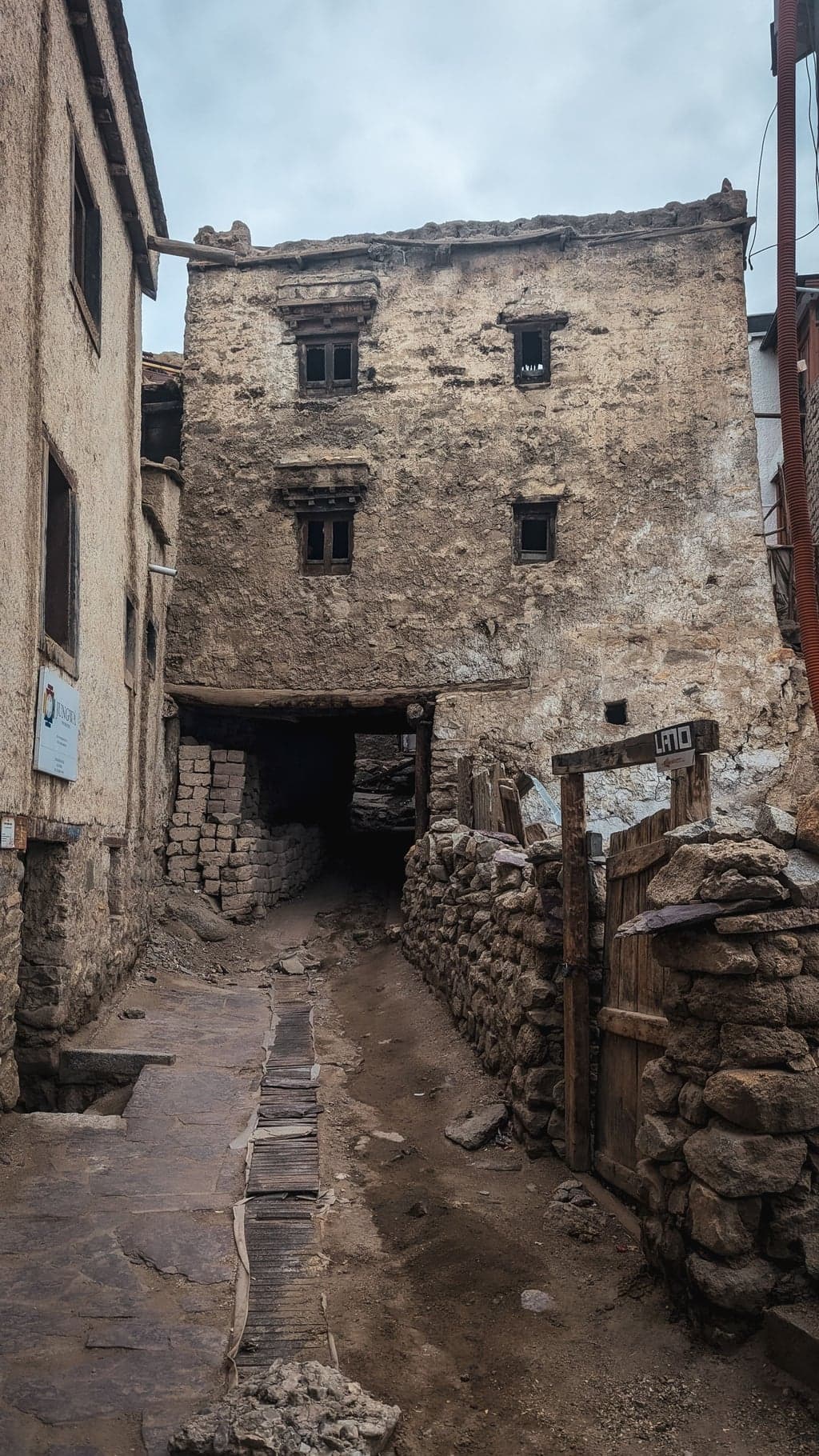
Old town alley, Leh, Ladakh
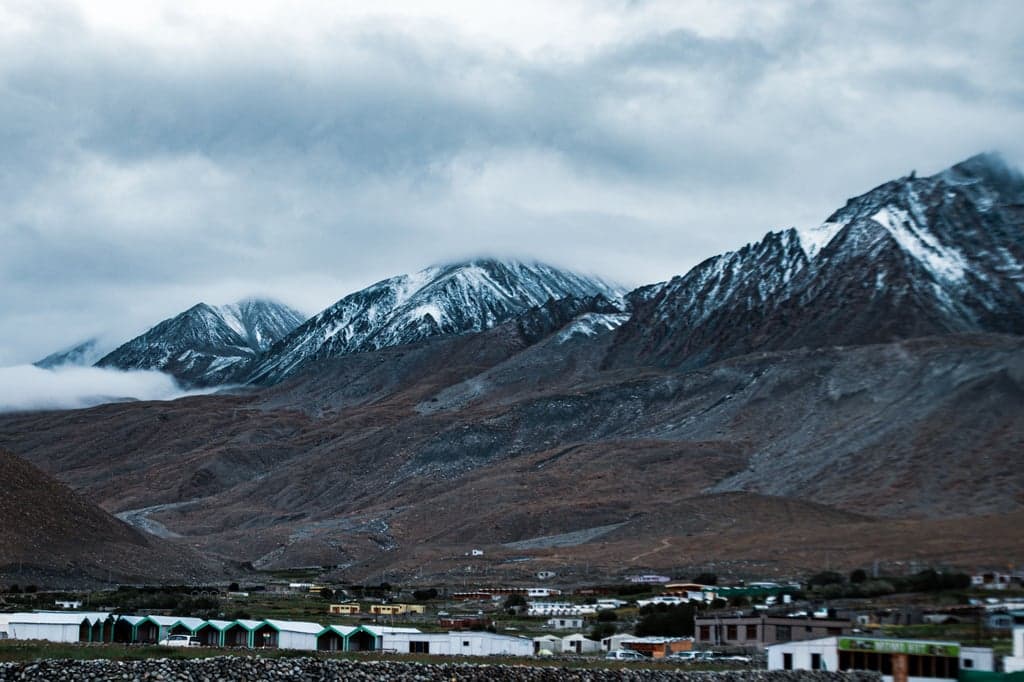
Settlement below snow-capped peaks, Ladakh
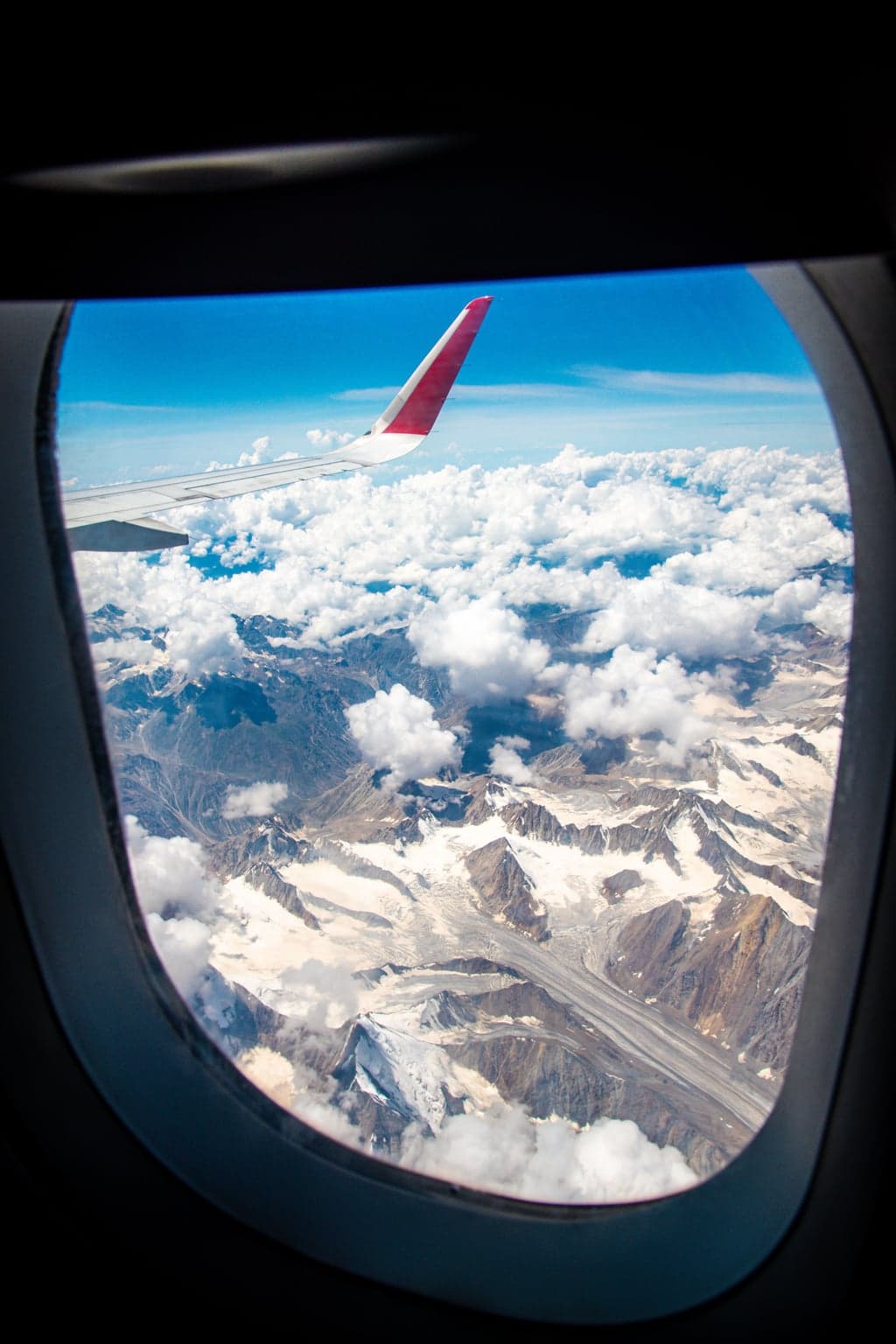
Himalayan peaks from airplane window, approach to Leh
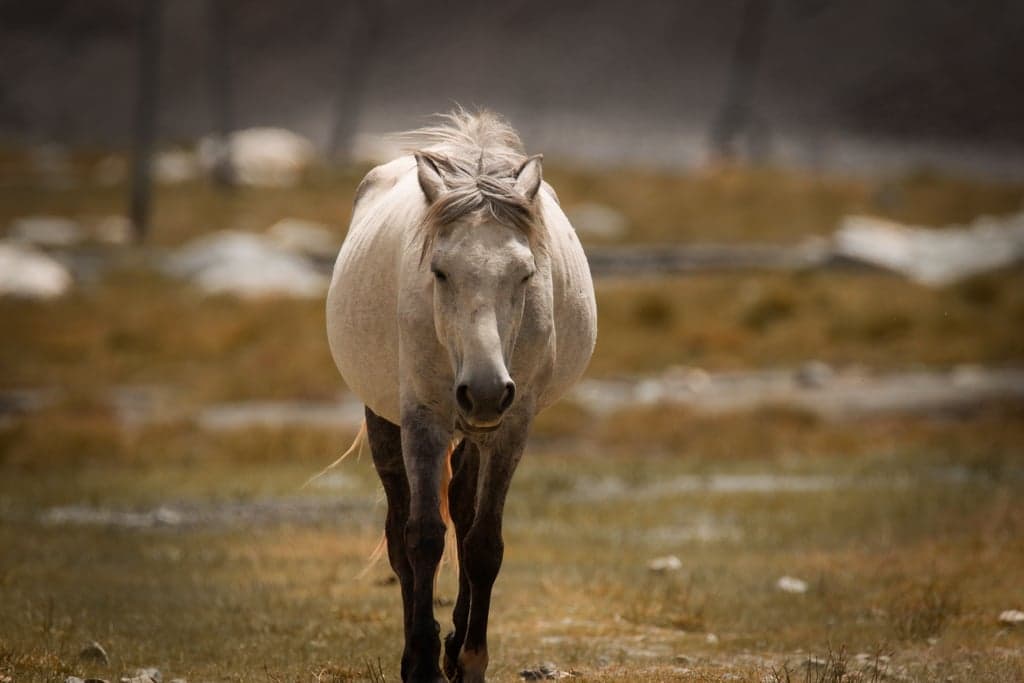
White horse on a mountain track, Ladakh
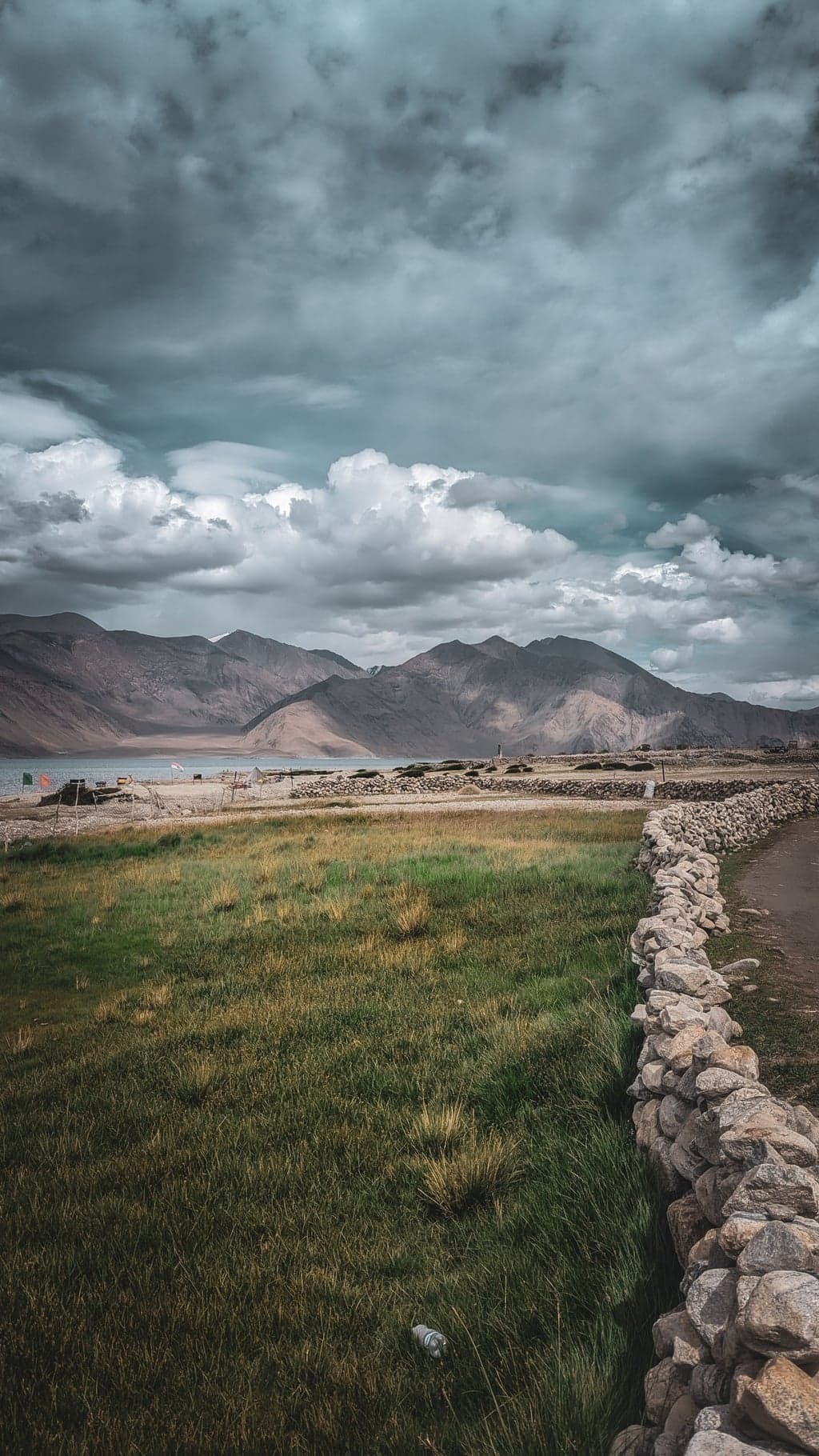
Green field with stone wall and storm clouds, Ladakh
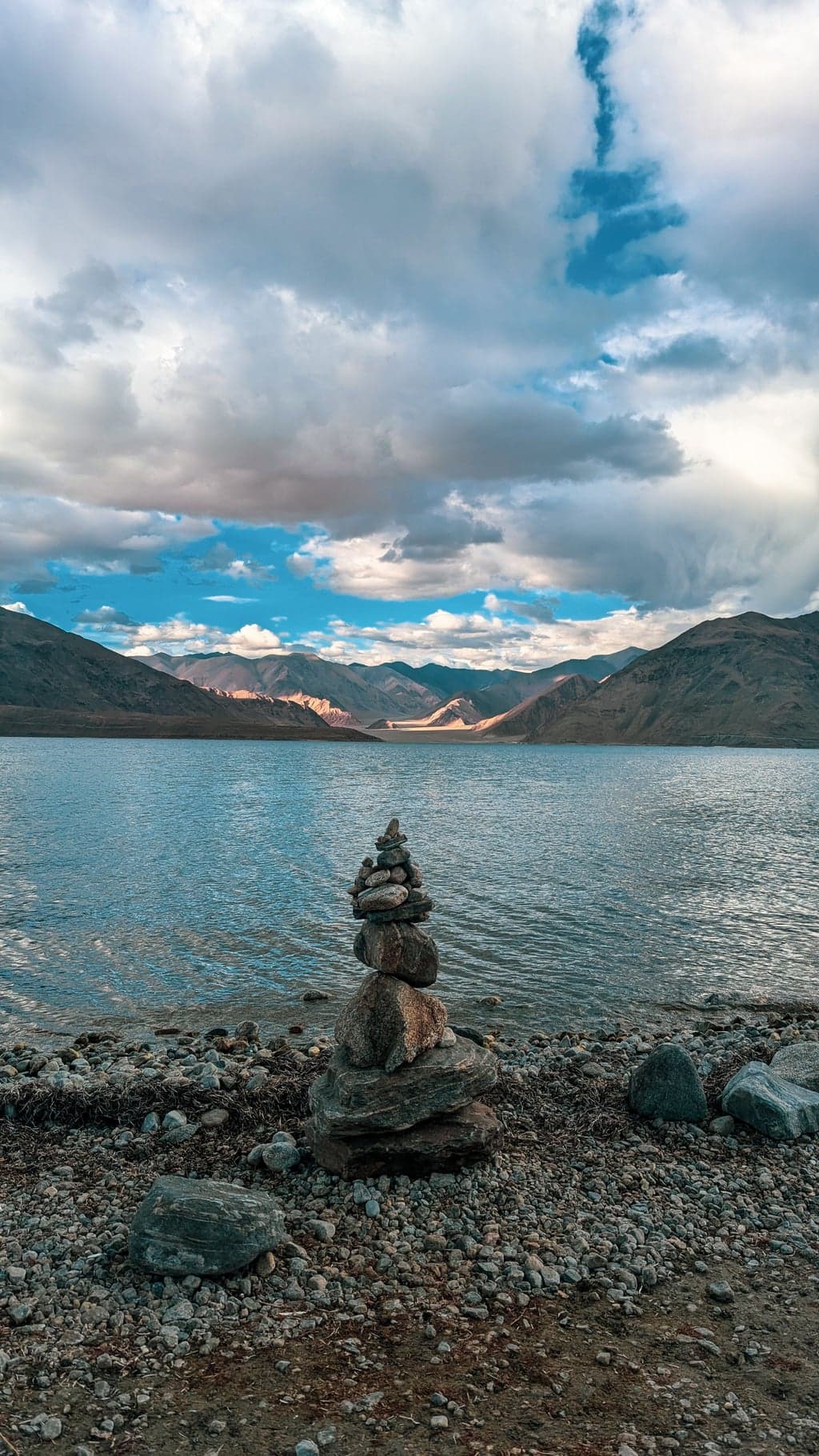
Stone cairn at Pangong Tso, Ladakh
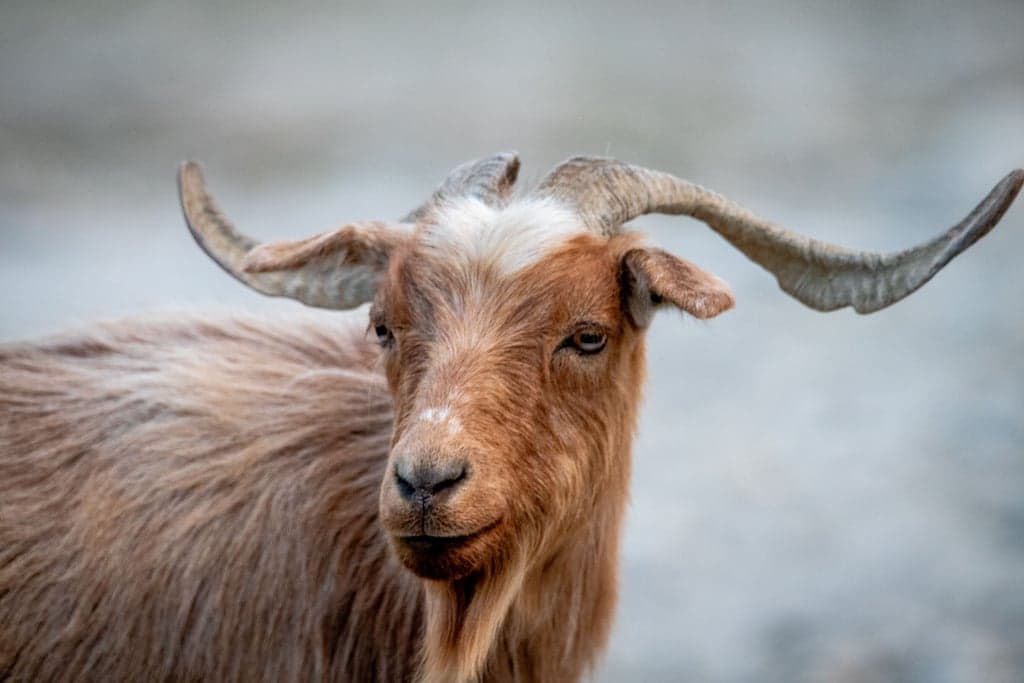
Goat with curved horns, Ladakh
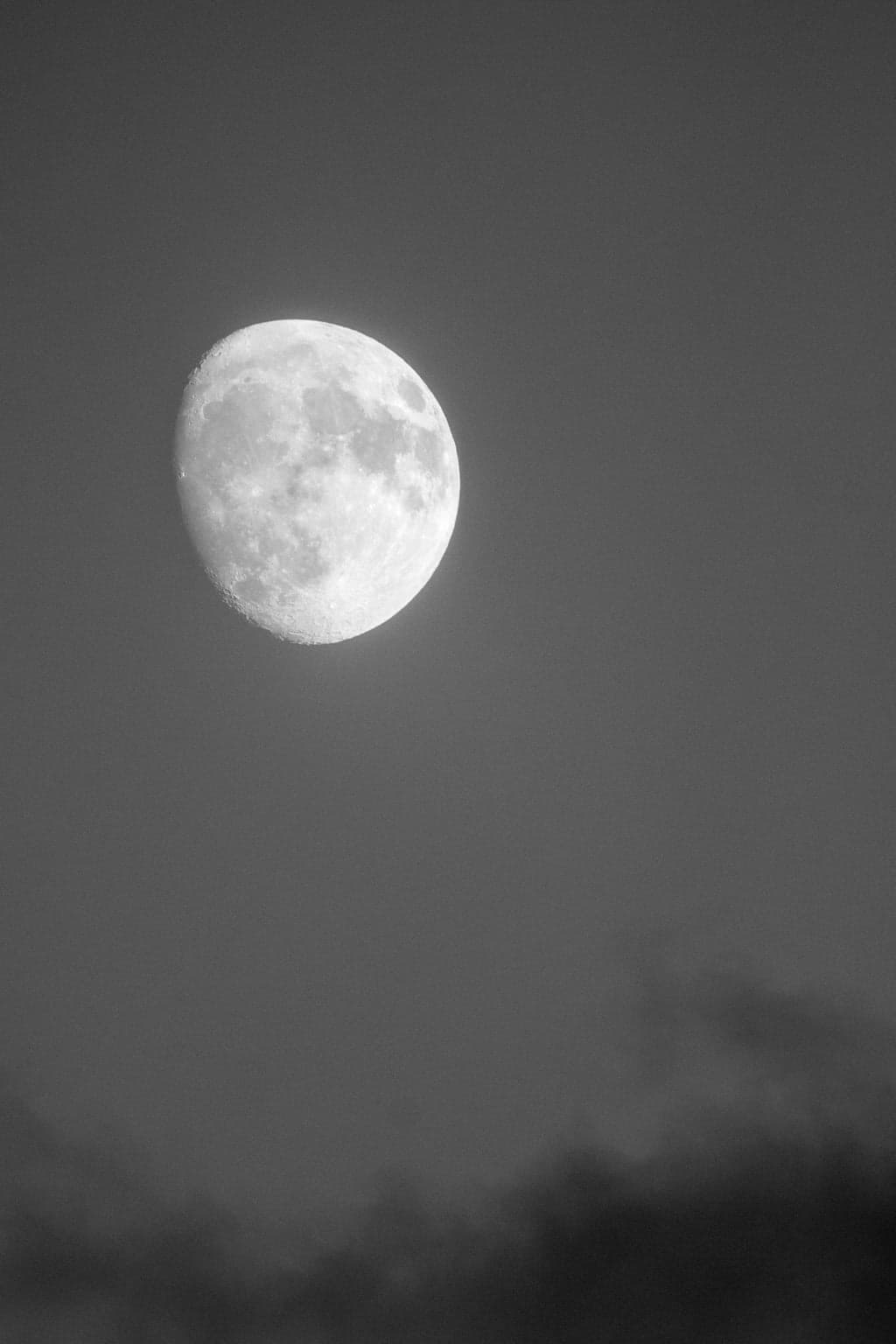
Moon above silhouetted trees, Ladakh
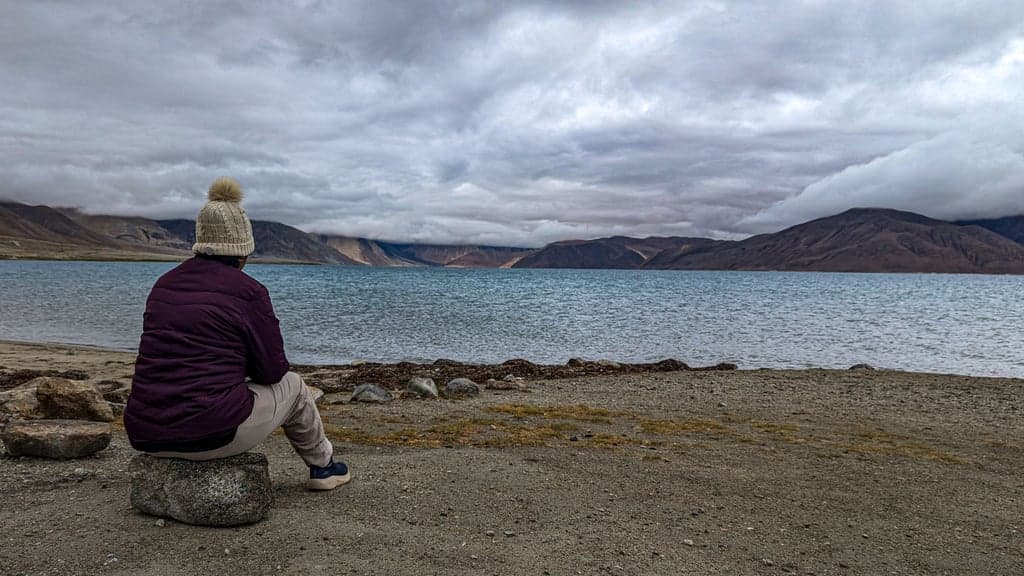
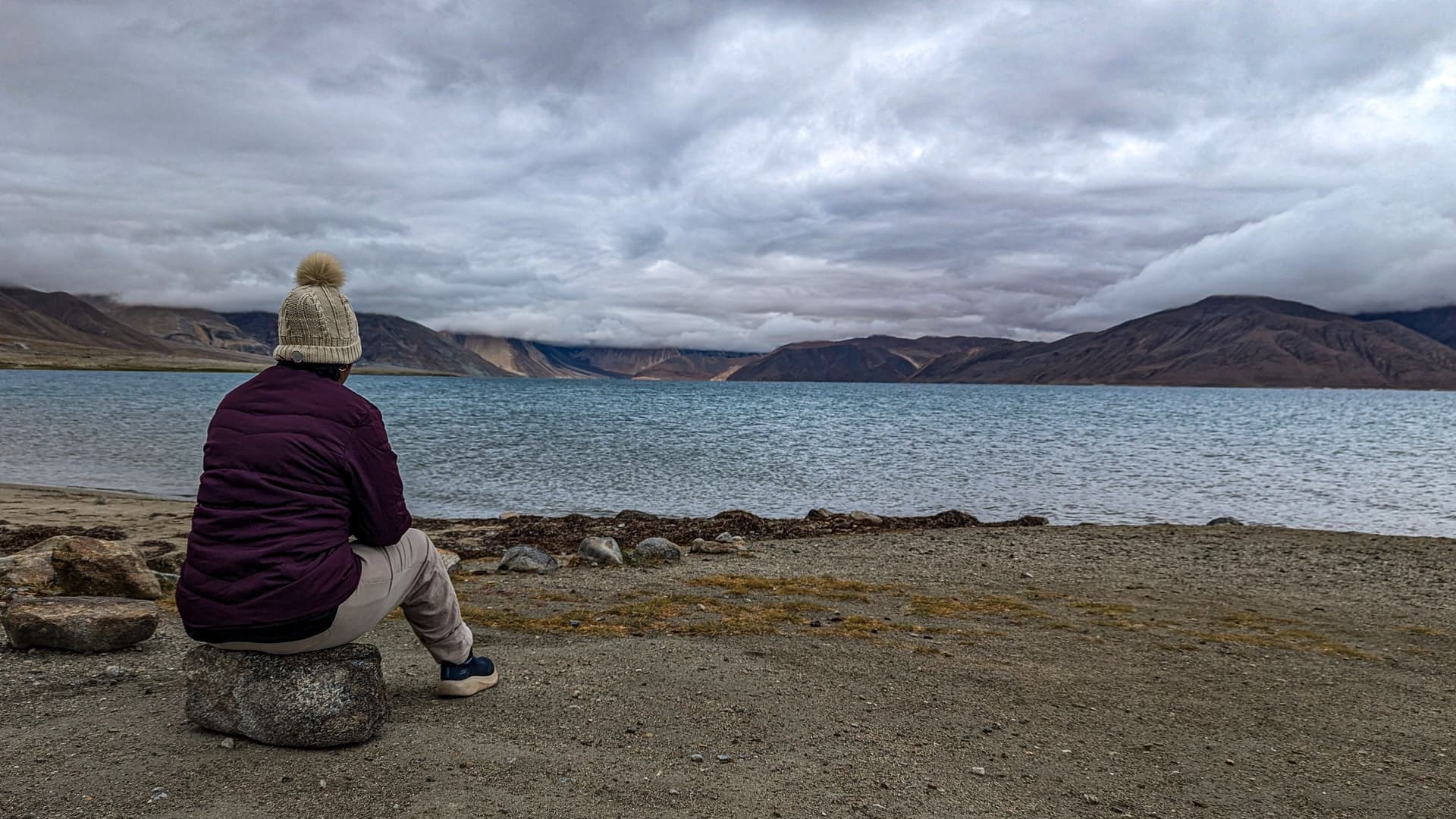
Sitting by Pangong Tso, Ladakh
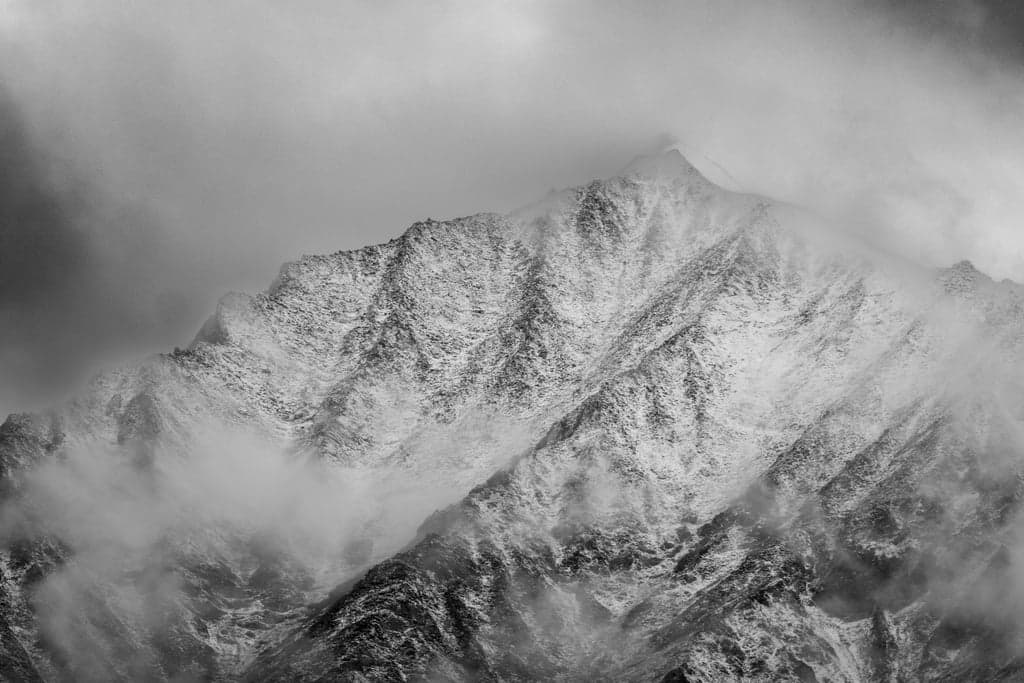
Snow-dusted mountain ridge in black and white, Ladakh
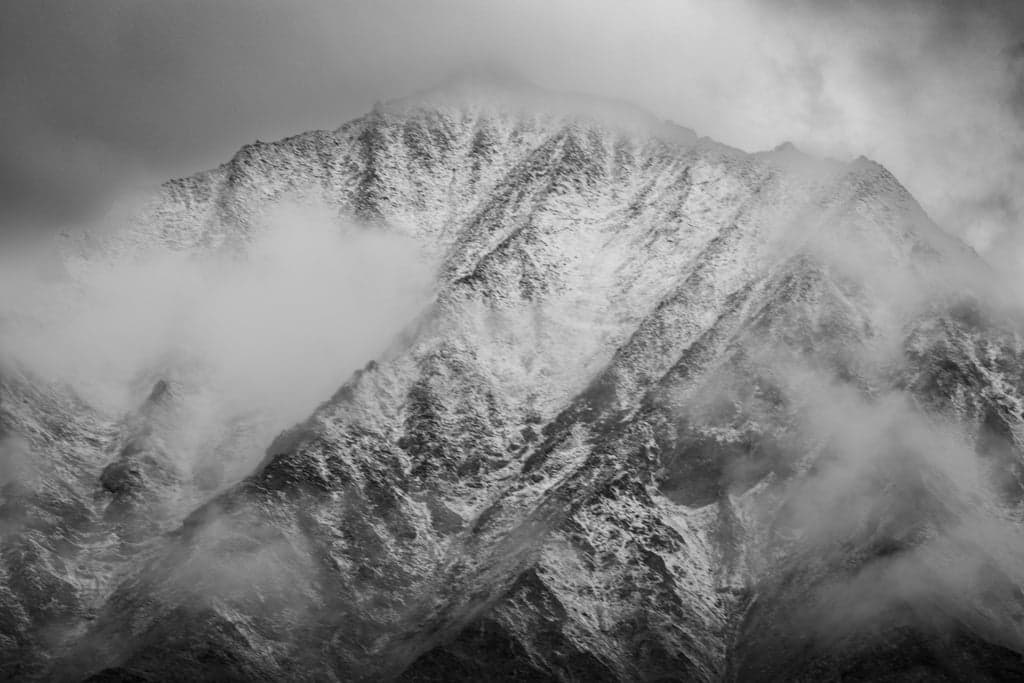
Snow-covered mountain ridge in cloud, Ladakh
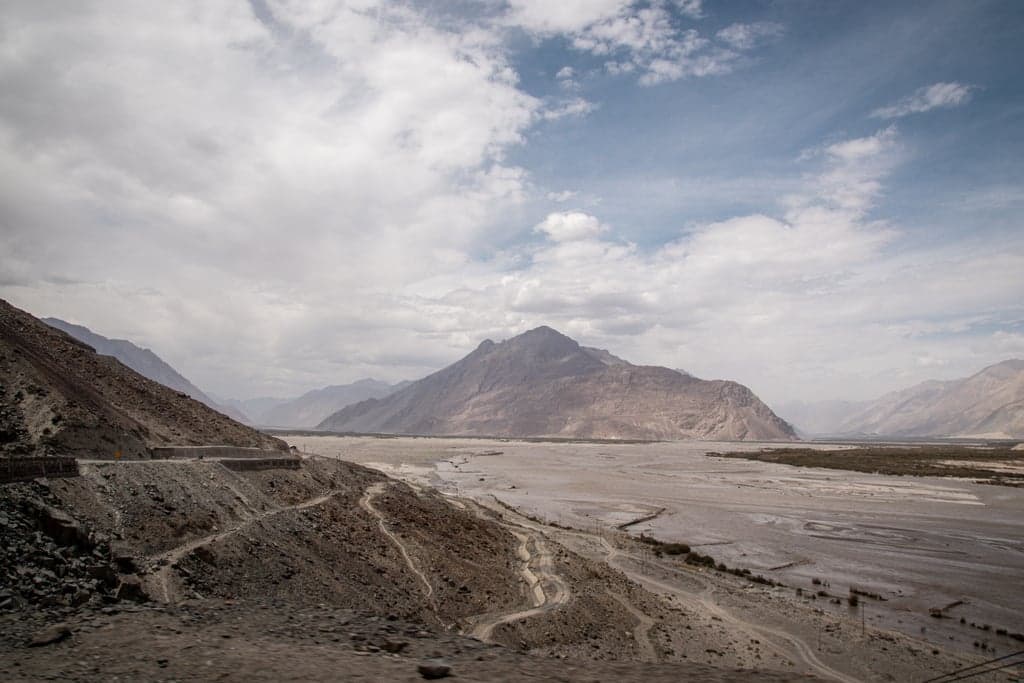
Desert road through mountain landscape, Ladakh
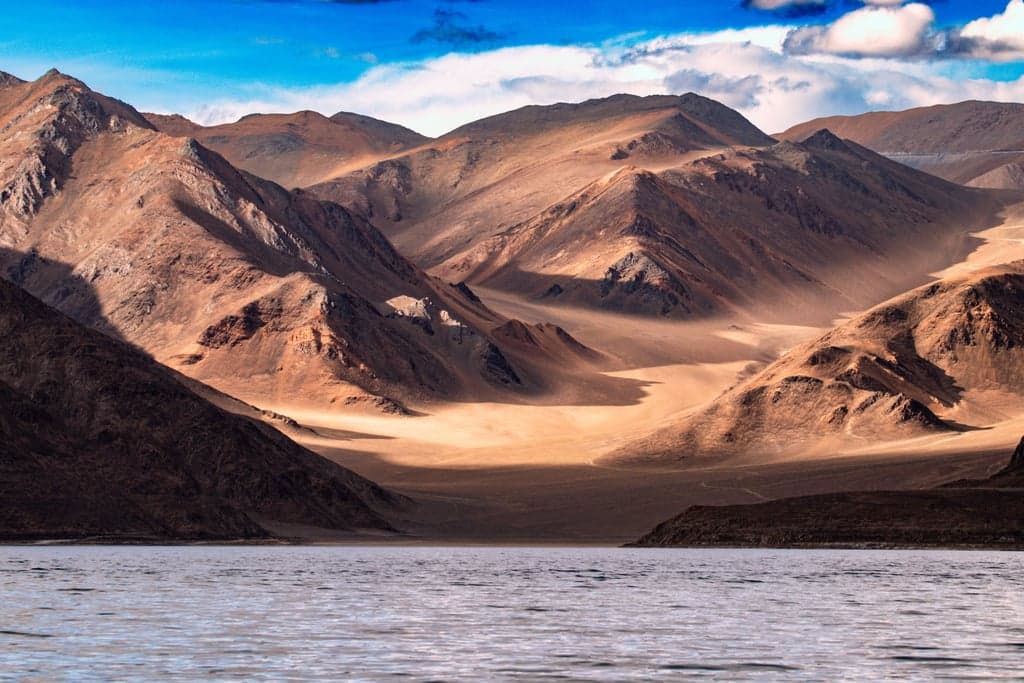
Pangong Tso north shore with layered mountains, Ladakh
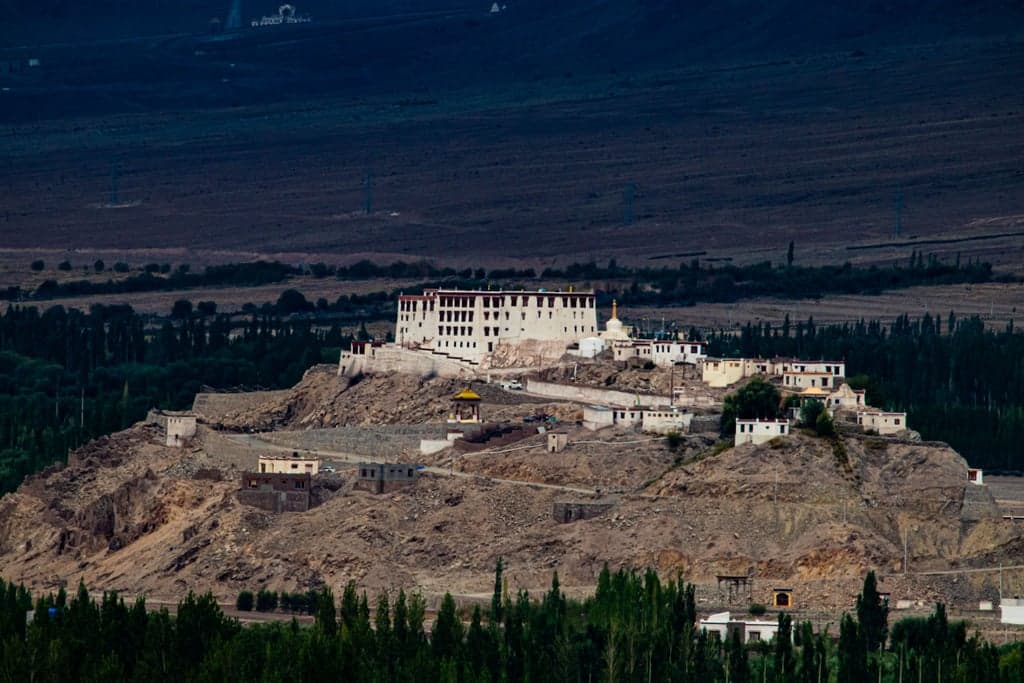
Spituk Monastery at night, Ladakh
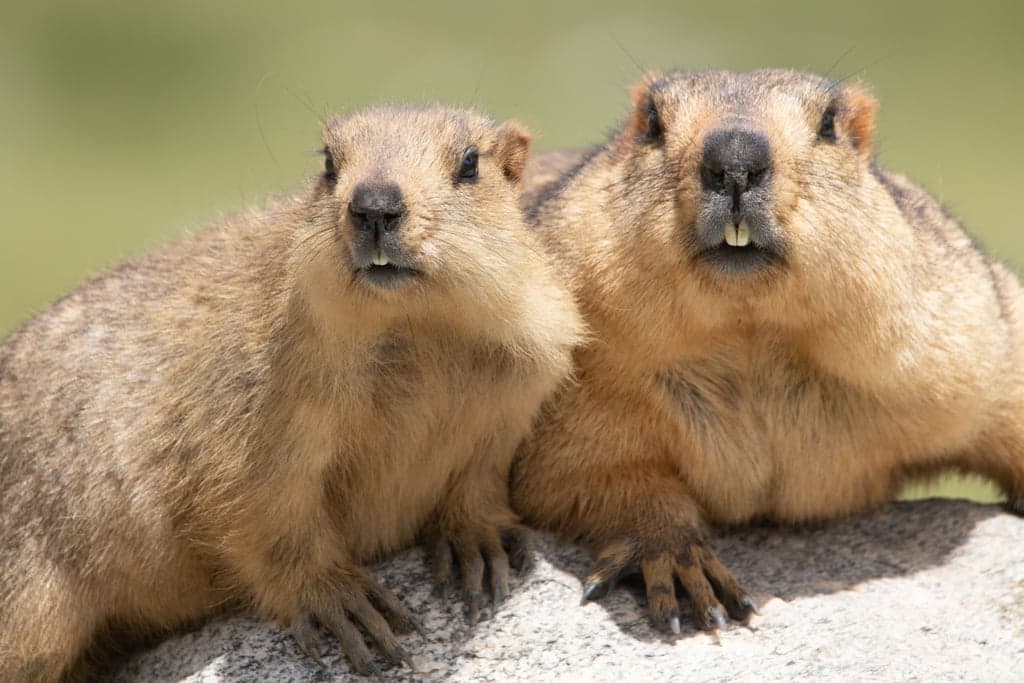
Himalayan marmots on a rock, Ladakh
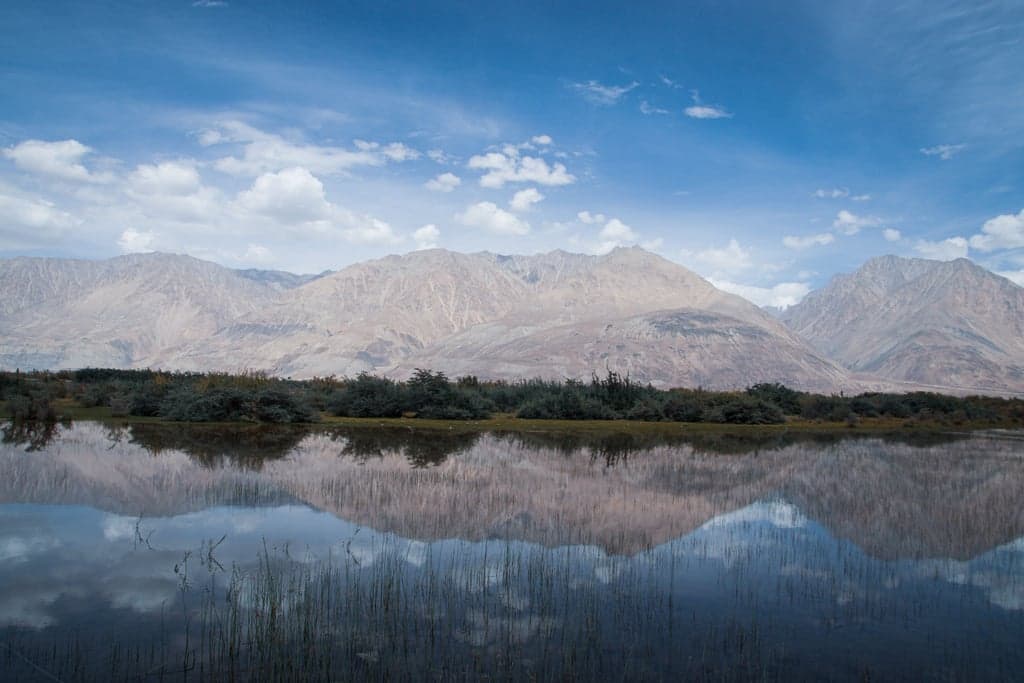
Sand dunes reflected in still water, Nubra Valley, Ladakh
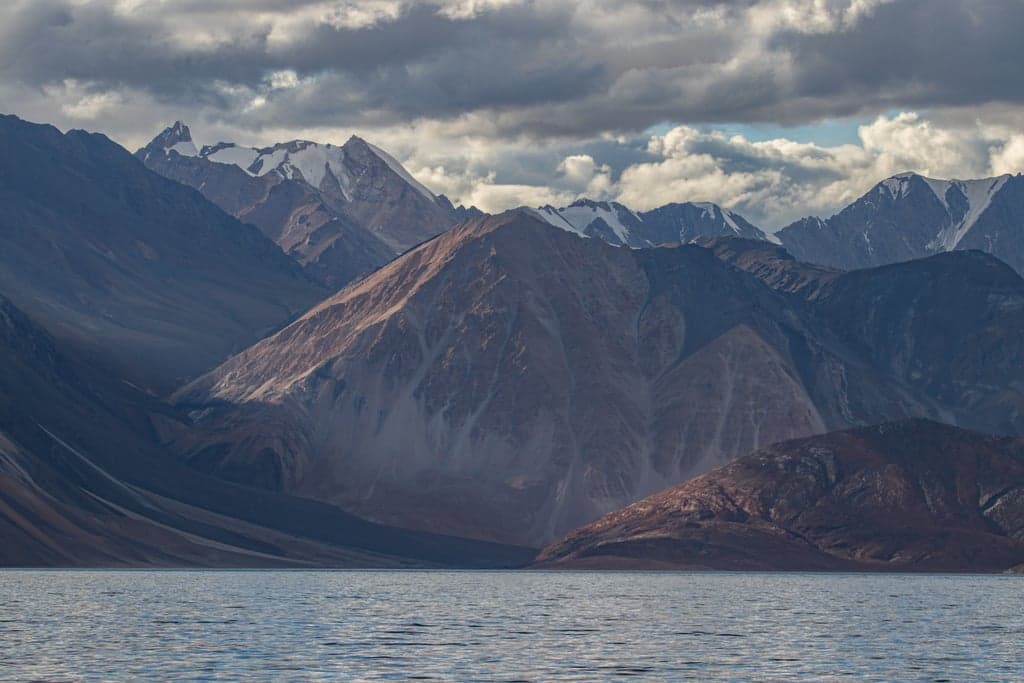
Pangong Tso with reddish-brown mountains, Ladakh
Related Galleries
Destination Guide
Rajasthan
Jaipur, Jodhpur, Jaisalmer, Udaipur — a destination guide to Rajasthan's desert circuits. Where to base yourself, how long to go, and what the forts actually feel like.